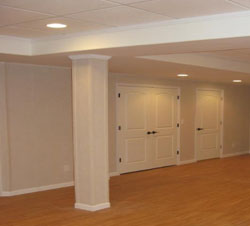
Renovating a basement can be a transformative endeavor, unlocking valuable space within your home. While the benefits are numerous—such as increased living area, added equity, and enhanced aesthetic appeal—the costs of finishing a basement can vary significantly. In this comprehensive guide, we’ll delve into the myriad factors that influence basement finishing costs, along with offerings to expect, preparation tips, and smart budgeting strategies.
Understanding the Basics of Costs
The foundation of estimating costs begins with recognizing the core elements involved in the finishing process. Key facets include:
- Permits and Regulations: Before embarking on any project, it’s paramount to check local building codes and obtain necessary permits. These bureaucratic requirements can impose initial costs that vary based on location.
- Design Choices: The level of customization desired for your basement ultimately dictates expenses. Simple designs with standard finishes tend to be less expensive than bespoke layouts with luxury materials and sophisticated fixtures.
Core Elements of a Basement Finishing Project
The costs associated with finishing a basement can be broken down into several essential categories:
- Framing: Constructing walls and partitions is a fundamental aspect. Conventional framing using wood is cost-effective, while metal framing may incur higher expenses but offers enhanced durability.
- Insulation: Proper insulation is crucial for climate control and energy efficiency. Spray foam insulation, while more expensive, is superior in performance compared to traditional materials.
- Electrical Work: Installing electrical systems to accommodate lighting, outlets, and home theater setups contributes to the overall budget. Hiring a licensed electrician ensures safety and compliance.
- Plumbing: For basements featuring bathrooms, kitchens, or laundry areas, plumbing costs can accumulate quickly. Engaging a professional plumber is essential for seamless integration of fixtures and adherence to codes.
- Flooring: The choice of flooring material greatly affects the budget. Options range from cost-effective laminate and carpeting to high-end hardwood and tile finishes, each with varying installation costs.
- Drywall and Painting: The application of drywall and subsequent painting are essential for aesthetic appeal. Prices may fluctuate based on the chosen texture, paint quality, and labor intensity.
- Finishing Touches: This category encompasses decorative elements, such as trim, cabinetry, and fixtures. While it is often the last stage of renovation, these small details can significantly impact the total cost.
The Average Cost Breakdown
The average cost of finishing a basement generally ranges from $20 to $50 per square foot. Based on a typical basement size of 800 square feet, costs can be categorized as follows:
- Basic Finish: Expect approximately $10,000 to $20,000 for basic framing, drywall, and flooring without any additional features. This option covers essential elements only.
- Mid-Range Finish: A mid-range basement renovation, featuring upgraded materials and some additional amenities, might demand anywhere from $20,000 to $30,000.
- High-End Finish: For a luxurious overhaul with top-tier materials and elaborate designs, costs can reach $30,000 to $50,000 or more, particularly if incorporating high-end appliances, fixtures, or custom layouts.
Factors Influencing Cost
Beyond essential components, several influencing factors can drastically alter your budget:
- Location: Market conditions and labor costs vary significantly by region. Urban areas often experience higher prices due to elevated demand and increased living costs.
- Size and Layout: Larger spaces necessitate more material and labor, thereby escalating costs. Complicated layouts featuring multiple rooms or niches also require additional planning and resources.
- Existing Conditions: Uneven flooring, outdated electrical systems, or moisture issues may necessitate more extensive remediation, influencing both labor and material expenses.
- DIY vs. Hiring Professionals: Tackling aspects of the project on your own can reduce costs significantly. However, the need for professional expertise in plumbing, electrical work, and major framing tasks remain essential for compliance and safety.
Preparing for Your Project
Preparation is integral to ensuring a seamless finishing experience. Consider the following steps:
- Set a Budget: Establish a clear budget informed by research and realistic expectations. Factor in potential contingency funds for unforeseen expenses.
- Research Design Trends: Explore aesthetic and functional design trends that resonate with your vision. Online platforms, magazines, and home improvement shows can provide valuable inspiration.
- Obtain Multiple Estimates: Engage several contractors for detailed estimates. This practice not only offers insight into cost variations but also presents differing perspectives on project execution.
Conclusion
In summation, the cost of finishing a basement is a multifaceted consideration influenced by an array of components, from foundational issues to luxurious upgrades. While understanding these elements serves as a foundation for planning, thoughtful preparation, diligent research, and professional consultation will pave the way for creating a space that enhances both your home and lifestyle. Mastering the art of budgeting and project oversight will ensure that your basement renovation achieves its full potential.











Leave a Comment