Dental health is an integral aspect of our overall well-being, yet many individuals encounter the burden of a severely infected tooth. The sensation of achy discomfort, coupled with the dread of potential procedures, can overwhelm anyone faced with such a predicament. This article delves into the intricate process of tooth extraction when infection looms, transforming apprehension into knowledge and empowering you to make informed decisions about your dental health.
When grappling with an infected tooth, the first inclination might be to seek immediate relief from the pain. However, understanding the evolution of the infection is crucial. Oral bacterial infections often escalate from minor issues such as cavities or gum disease into more complex concerns requiring intervention. Ignoring these signs not only exacerbates pain but can lead to severe complications. Therefore, recognizing the necessity of extraction becomes paramount.
Tooth extraction is generally the final resort when the tooth is deemed irreparable. Prior to undergoing this procedure, however, it is beneficial to familiarize yourself with the circumstances surrounding tooth infection and the requisite steps leading to extraction.
1. Recognizing the Signs of Infection
Infections usually manifest through several unmistakable indicators. These can include:
- Acute Pain: A throbbing ache that persists or intensifies may signal an infection.
- Swelling: Edema in the gums or surrounding areas can be a clear indication of a severe issue.
- Pus Formation: The presence of pus indicates an accumulation of bacteria at the site.
- Fever: A systemic response to infection may result in a slight fever.
- Altered Taste or Smell: Infection can impart a foul taste or odor in the mouth.
If you encounter any of these symptoms, it’s imperative to consult a dental professional expediently.
2. The Diagnostic Process
Upon presenting these symptoms to a dentist, they will initiate a thorough diagnostic process. This may include:
- X-Rays: Radiographs provide critical insights into the extent of the infection and the root structure of the tooth.
- Clinical Examination: A detailed oral examination assists the practitioner in identifying areas of concern.
- Medical History Review: Understanding any pre-existing conditions could influence treatment choices.
Armed with this information, a professional can determine whether extracting the infected tooth is the best course of action or if alternative treatments are viable.
3. Discussing Your Options
Once diagnosed with an infected tooth, it is essential to engage in a dialogue with your dentist regarding potential treatment pathways. Options may include:
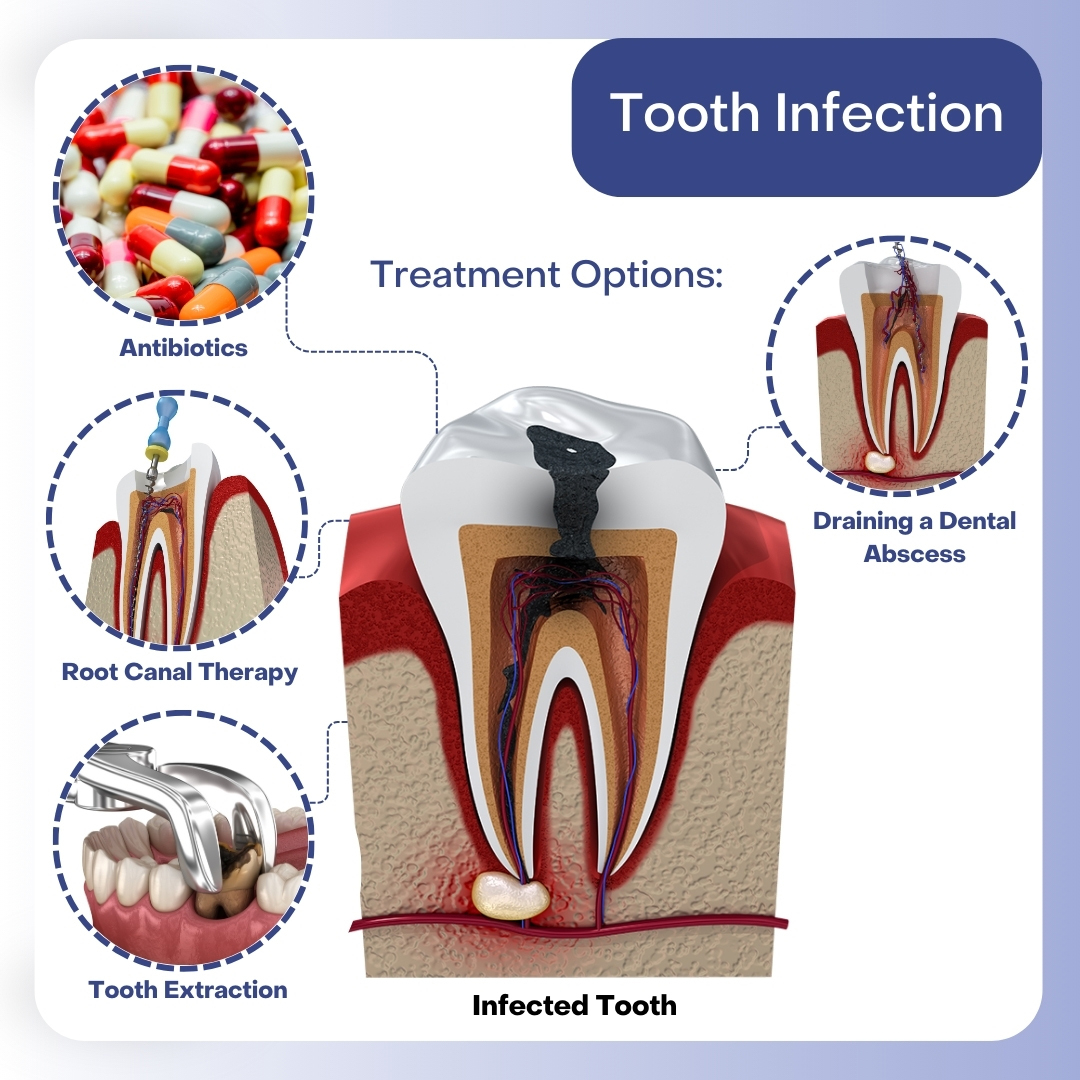
- Root Canal Therapy: In certain cases, preserving the tooth through root canal therapy may be possible, which involves removing the infected pulp and sealing the tooth.
- Antibiotic Treatment: Infections may sometimes respond to antibiotics, a temporary solution that can alleviate pain and reduce inflammation.
- Extraction: If the infection has rendered the tooth irreparable, extraction may be necessitated.
Understanding these alternatives can provide peace of mind while navigating this challenging decision.
4. Preparing for Tooth Extraction
Should extraction be the chosen method, preparation is paramount. Consider the following:
- Consultation: Discuss sedation options—local anesthesia can alleviate discomfort during the procedure.
- Dietary Modifications: Follow any recommendations about fasting prior to the appointment. Avoid food and drink restrictions for safety.
- Post-Operative Plans: Arrange for transportation home, as medications may impair your ability to operate a vehicle.
This proactive approach will help manage expectations and diminish anxiety.
5. The Extraction Procedure
The day of the procedure arrives, filled with anticipation. Understanding the steps taken during extraction can demystify the experience:
- Anesthesia Administration: Local anesthesia is administered to numb the area surrounding the infected tooth.
- Extraction Process: The dentist will meticulously loosen the tooth using specialized instruments before removing it from the socket.
- Post-Extraction Care: After extraction, the dentist will provide aftercare instructions to facilitate healing and mitigate pain.
Being informed of these stages can alleviate the fear associated with what might seem an intimidating process.
6. Aftercare and Recovery
Post-extraction care is crucial for preventing complications and promoting rapid healing. Essential aftercare tips include:
- Managing Pain: Over-the-counter pain relievers or prescribed medications can ease discomfort.
- Following Dietary Guidelines: Stick to soft foods and avoid straws to prevent dislodging the blood clot.
- Monitoring for Complications: Watch for excessive bleeding, swelling, or signs of additional infection, seeking medical advice as necessary.
By adhering to these recommendations, recovery can proceed with minimal hindrance.
In exploring the journey of extracting an infected tooth, knowledge empowers individuals to confront their fears and arm themselves with practical understanding. Transformation from trepidation to mastery over personal dental health begins with proactive engagement and a willingness to tackle challenges head-on. While the thought of extraction can evoke anxiety, embracing this opportunity for healing not only resolves immediate discomfort but also reaffirms the critical importance of dental wellness.









Leave a Comment