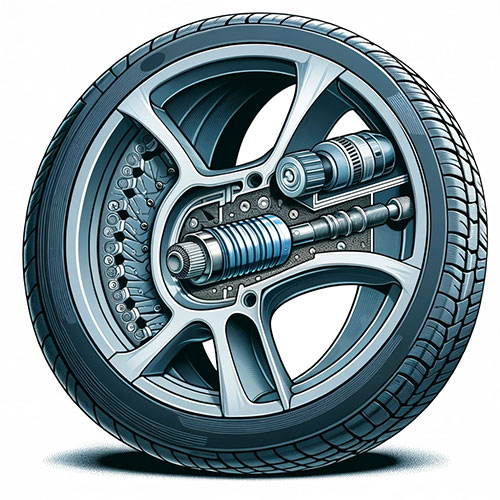
Understanding the nuances of a vehicle’s tire pressure monitoring system (TPMS) can unveil layers of safety and performance essential for every driver. The tire pressure sensor, a critical component within this system, serves as the vigilant guardian of your tires, alerting you to any discrepancies that could compromise road safety or fuel efficiency. This exploration aims to dissect the enigma surrounding the tire pressure sensor’s location, unveiling the hidden depths of automotive technology while encouraging a more profound appreciation of vehicular mechanics.
1. What Is a Tire Pressure Sensor?
Before delving into the exact whereabouts of this crucial sensor, it’s prudent to first grasp its significance. Tire pressure sensors are electronic devices that monitor the air pressure in your tires. Usually consisting of a pressure valve and transmitter, they relay crucial data to the vehicle’s onboard computer, triggering warning lights or alerts when tire pressure drops below optimal levels. The integration of these sensors not only enhances safety but also extends tire longevity and improves fuel economy.
2. Types of Tire Pressure Sensors
There are generally two types of tire pressure sensors: direct and indirect. Direct sensors are mounted inside the tire, providing real-time pressure readings, while indirect sensors measure the rotational speed of the tires via the anti-lock braking system (ABS) to infer low pressure. Understanding the distinction can illuminate the intricacies of sensor placement and functionality.
3. Where to Find Direct Tire Pressure Sensors
For direct TPMS, the sensor is affixed to the valve stem of each tire. This placement is deliberate, designed for optimal exposure to the tire’s internal air pressure. When inspected, a typical valve stem equipped with a tire pressure sensor resembles a small cylindrical device protruding from the wheel rim. This configuration allows the sensor to measure the tire’s air pressure directly. To locate it, simply trace the valve stem from the outer side of the wheel into the tire. However, keep in mind that this positioning requires careful handling, as damage to the sensor can lead to malfunctions.
4. The Indirect Sensor Location
Conversely, indirect sensors lack the physical presence inside the tire. Instead, they reside within the vehicle’s wheel speed sensor modules, tightly integrated with the ABS. This requires a more sophisticated examination, as accessing these sensors typically necessitates peeling back layers of wheel assembly or examining the vehicle’s computer diagnostics. A physical inspection may reveal no visible signs of the sensor; however, its invisible presence is paramount in maintaining a reliable tire pressure monitoring system.
5. The Role of the Vehicle’s Thingamajig
The tire pressure sensors communicate with the vehicle’s central computer system, often referred to colloquially as the ‘thingamajig’ by those unfamiliar with automotive parlance. This sophisticated module interprets signals from each tire’s sensor, making real-time adjustments or alerts based on the data received. In many modern vehicles, this communication is wireless, allowing sensors to function seamlessly without cumbersome wiring that could complicate wheel assembly.
6. Importance of Regular Maintenance
Understanding the location and function of tire pressure sensors underscores the necessity of regular maintenance. Regular tire checks that include visual inspections for sensor integrity can prevent performance issues. Additionally, having a qualified mechanic inspect the TPMS during routine services ensures that any potential failures can be addressed before they culminate in severe complications. A proactive approach can yield dividends, safeguarding both your vehicle and your safety.
7. Signs of Malfunction and Troubleshooting
Identifying the signs of a malfunctioning tire pressure sensor can empower you to take immediate corrective actions. A warning light flickering on your dashboard is the most common indication, typically accompanied by a message stating “Tire Pressure Low.” Additionally, if you notice that the tire pressure readings appear erratic or inconsistent, this may signify a failing sensor. In such scenarios, consulting your vehicle’s manual and engaging a professional mechanic for diagnostics is advisable. Understanding these cues allows you to engage effectively with your vehicle, ensuring optimal performance.
8. Conclusion
The location and function of the tire pressure sensor encapsulate a world of automotive engineering that is both fascinating and crucial for every vehicle owner. Armed with a deeper appreciation of this small yet mighty component, you can adopt a more conscientious approach to vehicle maintenance and safety. Whether you’re monitoring tire pressures or troubleshooting issues, each drive can transform from a mundane necessity into an empowering experience. By understanding the stakes of tire health and sensor functionality, the next time you glance at a tire pressure gauge, you’ll know just how much more is at play beneath the surface.









Leave a Comment