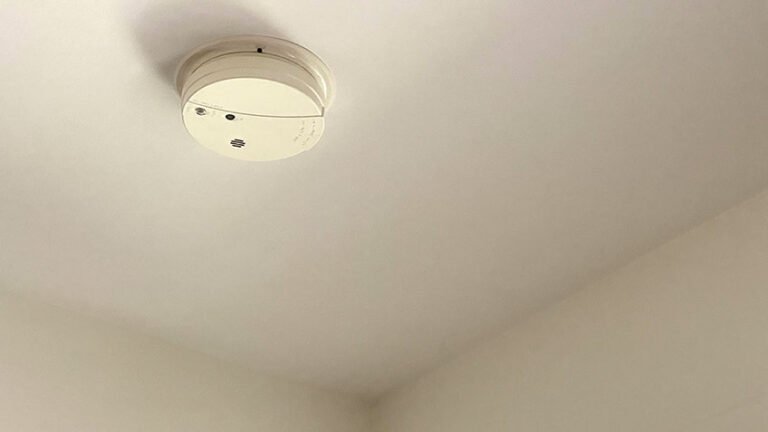
We’ve all experienced it: the sudden, incessant beeping of a fire alarm piercing the tranquility of our homes. This auditory intrusion, though irksome, serves a critical purpose, acting as a sentinel against potential disasters. However, when your fire alarm keeps beeping, it often transcends the mere function of a warning device and invites you to explore an array of underlying issues that may be at play. Understanding the reasons behind this recurring annoyance not only helps maintain your safety but also reveals a complex interplay between technology and human habitation.
1. The Low Battery Signal
The most common reason your fire alarm may keep beeping is a low battery signal. When the battery power diminishes, the alarm emits a series of short, high-pitched chirps, urging you to replace it. This warning is vital; a malfunctioning alarm could fail you in times of peril. Yet, even amidst this standard scenario, consider the deeper implications: how often do we overlook the mundane maintenance of our safety devices while focusing on the grander aspects of homeownership?
2. Dust and Debris Buildup
Another often-overlooked culprit in the incessant beeping saga is dust and debris accumulation. Over time, microscopic particles can infiltrate the inner workings of your smoke detector, obscuring its sensors and leading to false alarms. Regularly cleaning your fire alarm not only combats this issue but also prompts a reflection on the accumulation of neglect—much like the buildup of unresolved issues in our lives that can trigger unnecessary anxiety.
3. The Age Factor
Every electronic device has a lifespan, and fire alarms are no exception. If your unit is over 8-10 years old, it may be time for a replacement. Many models feature a self-check function that cues a beeping sound as they near the end of their operational life. This age-related beeping is akin to life’s natural progression: age is inevitable, but, unlike human life, technology can simply be replaced. The bittersweet realization that essential tools require renewal can serve as a metaphor for our own lives, urging us to assess the balance between longevity and obsolescence.
4. Malfunctioning Alarm
Occasionally, the incessant beeping may stem from a faulty fire alarm. From wiring issues to defective components, technical malfunctions can create a cycle of beeping that no amount of battery changes or cleaning will rectify. Diagnosing this issue requires a deeper dive into the device’s operational integrity, prompting the contemplation of the fragility of our reliance on technology. Are we being lulled into complacency by devices that sometimes fail?
5. Environmental Factors
The space surrounding your fire alarm plays a significant role in its performance. High humidity, extreme temperatures, and even altitude differences can affect the device’s sensors, leading to unwarranted alarms. Such environmental triggers compel one to ponder the intertwining relationship between our homes and the nature surrounding them. What influence do external factors exert on our internal experiences and safety?
6. Chemical Exposure
Interestingly, certain chemicals can interfere with the functionality of a fire alarm. Household cleaning products, paint fumes, and even steam from cooking can provoke a beeping response from sensitive types of alarms. In an age where air quality and chemical exposure are of paramount concern, this prompts us to reconsider the substances we bring into our living spaces. The exploration of how our choices affect not just our devices, but our health and safety, unveils profound layers in the modern home experience.
7. Networked Smoke Alarms
With the advent of smart technology, many homeowners are opting for interconnected smoke detectors that communicate with one another. If one unit detects smoke or a fault, it can cause a cascading beep throughout the network. While such innovations enhance safety, they also create a symbiotic relationship between our reliance on technology and our ability to respond to its nuances. Are we prepared to navigate the complexities of an interconnected safety ecosystem?
8. Engineered Obsolescence
Manufacturers often embed limitations within their devices to encourage replacement after a specific period. This engineered obsolescence can manifest in beeping alerts that signal not just a malfunction, but a subtle directive to upgrade. This phenomenon raises ethical questions: how much control should corporations exert over the longevity of essential safety devices? Consider the implications of manufactured urgency woven into the fabric of consumerism.
9. Spiritual and Philosophical Implications
Lastly, the persistent beeping of a fire alarm within our homes can symbolize more than just a technical malfunction; it resonates as a reminder of our mortality and vulnerability. It beckons us to confront the fragility of safety and the transient nature of existence. The next time a fire alarm beeps, take a moment to reflect on what it signifies—both in your home and in your life.
In conclusion, the relentless beeping of your fire alarm serves as a multifaceted signal. It invites an exploration of technological maintenance, environmental awareness, and deeper existential considerations. Each beep not only serves a practical purpose but also nudges us to examine the relationships between our possessions, our living spaces, and our vulnerabilities. As we navigate the irritating, yet essential beeping, let it remind us to remain vigilant—not just for our safety, but in the broader tapestry of our lives.









Leave a Comment