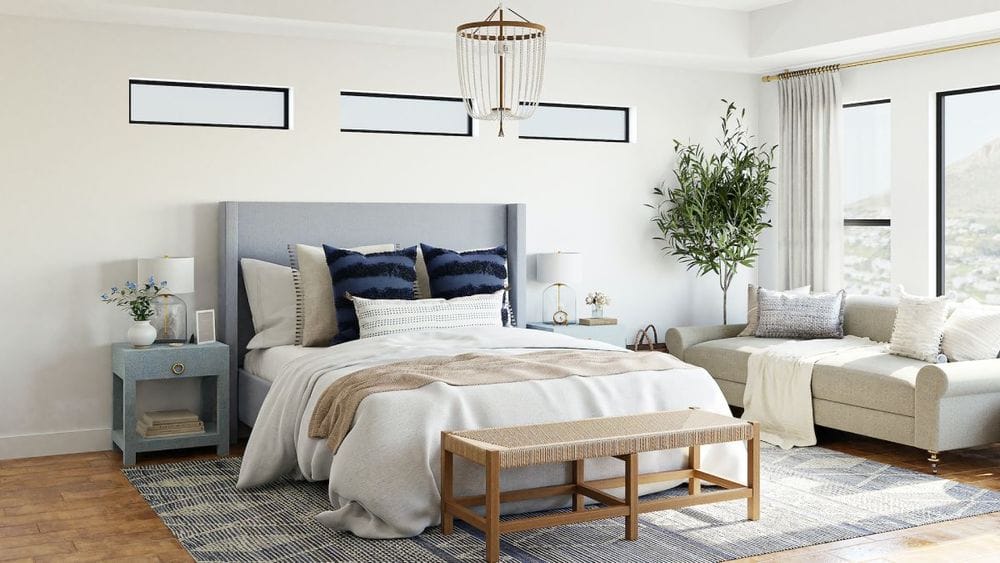
When designing or renovating a bedroom, one must consider the implications of spatial dimensions. Understanding standard size bedroom measurements is crucial for maximizing the functionality and aesthetic appeal of the space. From cozy nooks to expansive master suites, the dimensions can significantly influence the overall atmosphere. Let’s delve into various types of bedrooms and their corresponding standard measurements, whilst exploring the implications these dimensions have on both design and utility.
1. Standard Bedroom Sizes
Generally, standard bedroom sizes are categorized into three primary types: small, medium, and large. Each classification serves a distinct purpose and audience.
1.1 Small Bedrooms
The quintessential small bedroom typically measures around 10 feet by 10 feet (100 square feet). This size is frequently found in urban apartments or homes where space is at a premium. The functionality of such a room can be maximized by selecting compact furniture. A twin or full-sized bed is ideal here, along with multifunctional pieces like ottomans with storage capabilities or wall-mounted shelves to preserve precious floor space.
1.2 Medium Bedrooms
Moving up in dimensions, a medium bedroom often spans 10 to 12 feet by 12 to 14 feet (120 to 168 square feet). This classification can provide more flexibility, accommodating full or queen-sized beds along with additional furniture such as dressers or desks. The extra room facilitates a better flow, allowing for graceful movement around the space. As a design consideration, medium bedrooms can elegantly accommodate built-in closets, enhancing both storage efficiency and visual appeal.
1.3 Large Bedrooms
For a truly generous space, large bedrooms typically encompass 14 feet by 16 feet or more (224 square feet and upwards). These expansive layouts can support king-sized beds, bespoke wardrobes, and seating areas for lounging or reading. The layout possibilities are virtually limitless, encouraging creativity with furniture placement and decorative themes. A large bedroom also permits the addition of features such as en-suite bathrooms or walk-in closets, thereby elevating the sense of luxury.
2. Specialized Bedroom Types
Beyond the basic classifications, various types of specialized bedrooms have emerged in contemporary design. Each varies in measurement based on the purpose it serves.
2.1 Master Suites
Often characterized by their size and amenities, master suites generally measure anywhere from 12 feet by 14 feet up to 16 feet by 20 feet (approximately 168 to 320 square feet). These suites typically include a sleeping area, a private bathroom, and sometimes a walk-in closet. The spaciousness of a master suite allows for a serene retreat, incorporating design elements like a sitting area or even a fireplace.
2.2 Guest Bedrooms
Guest bedrooms are typically slightly smaller than master suites, ranging from 10 feet by 12 feet to 12 feet by 14 feet (120 to 168 square feet). The focus here is on comfort and functionality, providing visitors with a cozy space. Furnishing choices may include a queen bed encased in luxurious linens along with bedside tables and a dresser to house guest necessities.
2.3 Children’s Bedrooms
Children’s bedrooms can vary widely based on age and interests, yet they usually fall within the small to medium range of dimensions, about 10 feet by 10 feet to 12 feet by 12 feet (100 to 144 square feet). These rooms may incorporate playful design elements, like vibrant colors and creative storage solutions for toys. A multifunctionalities aspect is critical, as the room should be both a sleep space and a creative area for play and study.
3. Bed Sizes and Their Impact on Space
Bed size is a critical variable when determining room dimensions. The most common bed sizes include:
- Twin: 38 inches by 75 inches
- Full/Double: 54 inches by 75 inches
- Queen: 60 inches by 80 inches
- King: 76 inches by 80 inches
- California King: 72 inches by 84 inches
When planning a bedroom, one must account for not only the bed itself but also the requisite space surrounding it for movement and other furnishings. A minimum of two feet clearance around the bed remains optimal, facilitating an unobstructed flow and comfort.
4. Effective Layout Strategies
The arrangement of furniture within the bedroom can drastically impact its perceived size and utility. Here are some strategies:
- Define Zones: In larger bedrooms, delineating areas for sleep, storage, and recreation can create an organized appearance.
- Utilize Vertical Space: Installing shelves or tall cabinets maximizes storage without consuming valuable floor area.
- Choose Appropriate Scale: Select furniture that harmonizes with room dimensions, avoiding the inclusion of excessively bulky items in smaller spaces.
Furthermore, a cohesive color palette can create an illusion of an expansive environment, regardless of true measurements.
Conclusion
Understanding standard size bedroom measurements is quintessential for crafting an inviting and functional environment. From intimate quarters to lavish suites, these dimensions help dictate design choices, furnishings, and the overall lifestyle afforded within the space. By recognizing the significance of spatial proportions, one can optimize the bedroom to meet personal needs while embracing stylistic creativity. Whether designing a serene adult retreat or a vibrant child’s sanctuary, the right measurements lay the foundation for an extraordinary sleeping experience.











Leave a Comment