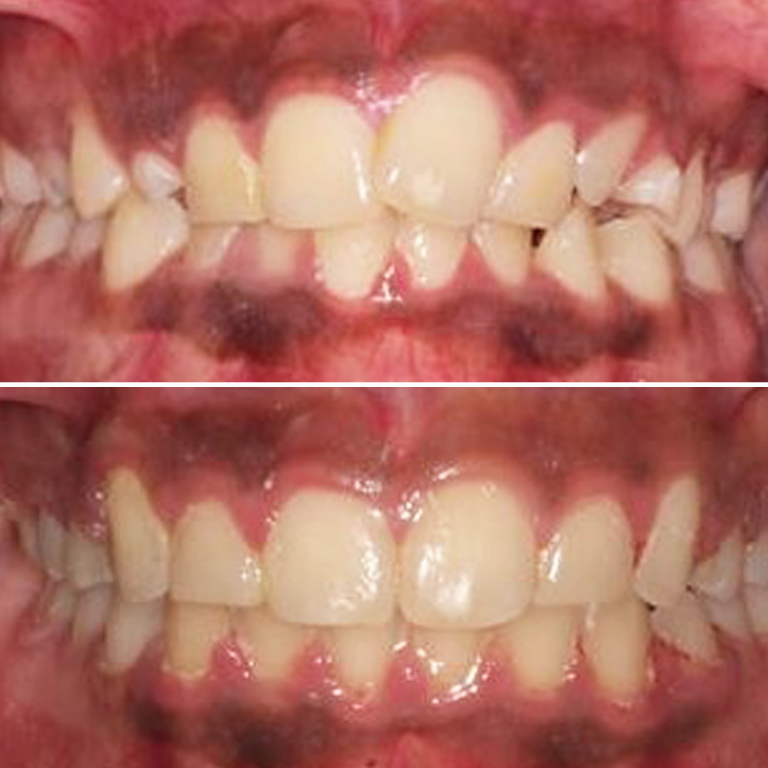
Teeth braces have become a cornerstone of orthodontic treatment, transforming not only smiles but also boosting confidence and improving oral health. With various types of braces available today, the journey from crooked teeth to a straightened smile is as diverse as it is exciting. This article will delve into the comprehensive landscape of teeth braces before and after transformations, examining the types of braces, expected outcomes, emotional and psychological effects, and tips for maintaining optimal oral hygiene throughout the process.
Understanding the Different Types of Braces
At the outset of the braces journey, it’s vital to recognize that not all braces are created equal, and the choice often hinges on individual dental issues, lifestyle preferences, and aesthetic considerations. Here are the primary varieties:
- Metal Braces: Traditional and ubiquitous, metal braces comprise high-grade stainless steel brackets and archwires, cemented to the teeth with elastic bands. Known for their remarkable durability, they are particularly effective for severe misalignments.
- Ceramic Braces: Ceramic braces function similarly to metal ones but boast tooth-colored or clear brackets, making them less conspicuous. They are an excellent option for individuals seeking a subtler aesthetic while maintaining effective treatment.
- Lingual Braces: Positioned on the backside of the teeth, lingual braces are virtually invisible from the front. Their unique positioning presents a challenge for some in terms of comfort and oral hygiene but rewards patients with discretion.
- Invisalign: Utilizing a series of custom-made, clear aligners, this innovative approach to orthodontics allows users to gradually shift teeth without the standard hardware associated with braces. Invisalign is particularly appealing to adults and teens prioritizing aesthetics.
The Orthodontic Process: What to Expect Before Treatment
Before donning braces, patients typically undergo a comprehensive consultation that may include photographs, X-rays, and dental impressions. This diagnostic stage serves as a foundation for formulating an individualized treatment plan. During this period, it is common for patients to experience feelings of apprehension, excitement, and curiosity regarding their treatment journey.
Moreover, understanding the anticipated timeline for improvements is crucial. On average, braces treatment can span from several months to a few years, based on the complexity of the misalignment. Patients often find it helpful to maintain a journal, documenting their feelings and milestones throughout the process, creating a tangible record of their journey.
Transformation: What to Expect After Treatment
The results following braces removal are undeniably transformative. The anticipated unveiling of a straighter, more aesthetically pleasing smile often culminates in profound emotional responses—from elation and relief to newfound confidence. Many individuals remark on the amplified vitality of their appearance, breathing new life into their personal and social interactions.
Besides the cosmetic benefits, the functional improvements are equally notable. Enhanced bite alignment can alleviate discomfort and prevent future dental issues such as tooth decay and joint pain. As speaking and chewing become more natural, individuals often find a renewed enthusiasm for oral health practices.
Emotional and Psychological Benefits
The psychological ramifications of having braces—and subsequently removing them—cannot be overstated. Patients frequently report heightened self-esteem and body image following treatment, particularly in social situations. A straighter smile instills an invigoration of self-worth, making it imperative not merely to consider the aesthetic choice but also to understand the profound implications on mental health and social belonging.
Support systems play a pivotal role in this transformative journey. Engaging with friends, family, or support groups during treatment provides encouragement, making the challenges—whether discomfort or dietary restrictions—easier to navigate. This community engagement enhances the overall experience, reaffirming that orthodontics is not solely a physical remedy but an emotional sojourn.
Maintaining Oral Hygiene with Braces
Oral hygiene assumes a critical role throughout the braces journey. With the intricate design of braces—whether metal, ceramic, or lingual—food particles and plaque can easily accumulate, increasing the risk of cavities and gum disease. Patients must commit to a rigorous oral care regimen, including:
- Regular Brushing: Employing a soft-bristled toothbrush, patients are advised to brush at least twice a day, ensuring they angle their brush effectively to reach the areas around brackets and wires.
- Flossing Techniques: Using floss threaders or orthodontic flossers, individuals should prioritize daily flossing to clear debris from between teeth and around braces.
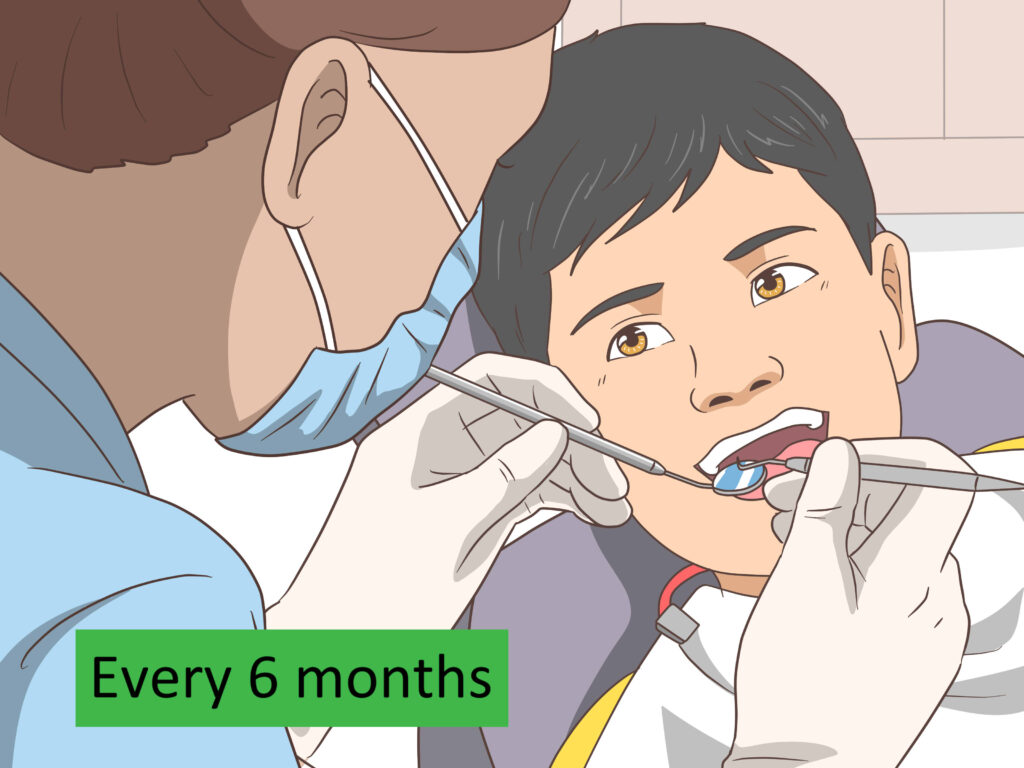
- Routine Dental Appointments: Frequent visits to the orthodontist for adjustments and check-ups are essential in monitoring progress and ensuring the best outcomes.
- Diet Considerations: Patients may need to avoid certain foods—such as sticky candies and hard nuts—that could damage braces or hinder effective alignment.
Conclusion
The journey of wearing braces is undeniably a multifaceted experience, encompassing not just the physical adjustments but also significant emotional and psychological transformations. From understanding the various brace types to managing oral hygiene and celebrating the post-treatment smile reveal, each step matters. Ultimately, embracing the entire process—from “before” to “after”—fosters not only a healthier smile but empowers individuals to face the world with renewed confidence.






Leave a Comment