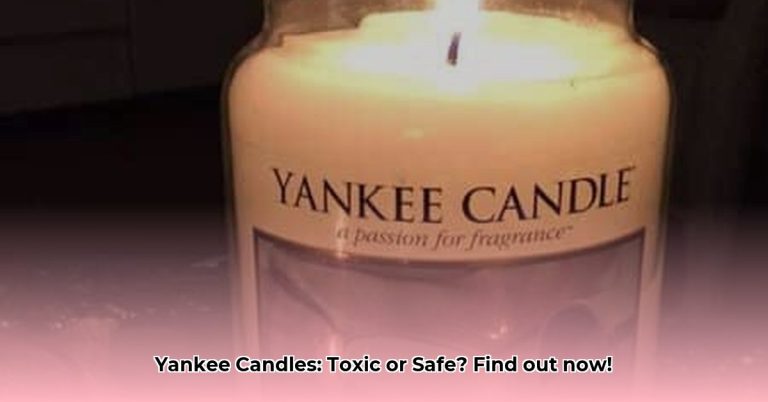
If you’re an aficionado of home fragrances, you’ve likely encountered the enticing allure of Yankee Candles. With their vibrant colors, diverse scents, and nostalgic appeal, it’s no wonder they adorn mantels and tabletops across the nation. Yet, as the candle industry evolves, so do concerns about what we expose ourselves to during those relaxing moments of ambiance. Are these popular candles toxic? This exploration will illuminate the debate and encourage a critical re-evaluation of what you allow to permeate your personal sanctuary.
The Anatomy of a Candle
To dissect the toxicity of Yankee Candles, one must first understand their composition. At their core, traditional candles are made from wax, fragrance, and wicks. Most Yankee Candles utilize paraffin wax, a byproduct of petroleum refining, along with synthetic fragrances. The intermingling of these components creates not only the beloved aromas but also raises essential questions about safety and health.
Paraffin Wax: Pros and Perils
Paraffin wax, while common in the candle industry, has potential drawbacks. When burned, it can release volatile organic compounds (VOCs) such as toluene and benzene. These substances are not innocuous; they have been linked to respiratory issues and other health concerns. The act of burning a paraffin candle can contribute to indoor air pollution, particularly in poorly ventilated spaces. Hence, while the candle may provide a momentary sense of euphoria through scent, the hidden repercussions may cast a shadow over your tranquil setting.
The Fragrance Factor
What about the fragrances that captivate and inspire? Yankee Candles offer an array of scents, from pumpkin spice to ocean breeze, tailored for the olfactory connoisseur. However, many of these fragrances are synthetic. Synthetic fragrances can contain phthalates and other chemicals that are often flagged for potential health risks, including endocrine disruption. When inhaled over prolonged periods, these substances may lead to adverse health effects. The tantalizing smell could very well conceal a more sinister reality, deserving of careful consideration.
Wicks and Their Whims
Equally pivotal in the examination of candle safety are the wicks. Traditionally, some candle wicks were manufactured using lead, a heavy metal known for its deleterious health effects. Fortunately, reputable brands like Yankee Candles have transitioned to using cotton or paper wicks in most products. Yet, it’s essential to scrutinize the materials in any wick you burn, as they play a vital role in the overall safety of the candle.
Burning Practices: The Hidden Toxicity
The act of burning itself is another dimension to explore. Proper burning practices significantly affect the potential release of harmful substances. Delve into the habit of trimming wicks to approximately 1/4 inch before lighting and burning candles in well-ventilated spaces. These actions can mitigate soot production and lower the concentration of released VOCs. If negligence prevails, the ambiance you crave can quickly metamorphose into an unhealthy environment.
Potential Alternatives: Eco-Friendly Choices
As discerning consumers, exploring alternatives to traditional candles can shift your perspective on home fragrance. Beeswax and soy candles, for instance, are often touted as eco-friendly substitutes. Beeswax has natural air-purifying properties and burns cleaner than paraffin, emitting no harmful toxins. Soy candles, derived from soybeans, are typically biodegradable and produce less soot, making them an appealing option for the environmentally conscious. Embracing these alternatives can enhance your living space without the looming specter of toxicity.
Consumer Awareness: The Power of Choice
Advocating for transparency in the candle industry has become a pressing matter. While regulations on candle safety exist, they may not be stringent enough to safeguard consumers. Strive to educate yourself about the brands you choose to support. Opt for candles that provide detailed information about their ingredients and manufacturing practices. Many artisans and smaller companies take pride in crafting clean-burning candles with natural scents, allowing consumers to make informed decisions.
The Bottom Line: A Well-Round Perspective
Ultimately, the question of whether Yankee Candles are toxic is multifaceted. While certain components and practices associated with these candles may pose concerns, a conscious consumer can navigate the landscape delicately. By understanding what goes into your candles and how best to use them, you can enjoy the warmth and comfort they bring without compromising your wellbeing.
As the discussion on candle safety continues to evolve, it’s paramount to remain vigilant and informed. Investigating the choices you make in your home environment can transform your perception of tranquility and aromatherapy. It’s not merely about enveloping yourself in delightful scents but about curating a space that promotes health and serenity. Whether you choose to stick with beloved Yankee Candles or experiment with cleaner alternatives, empowering yourself with knowledge is the light that can guide you on your aromatic journey.








Leave a Comment