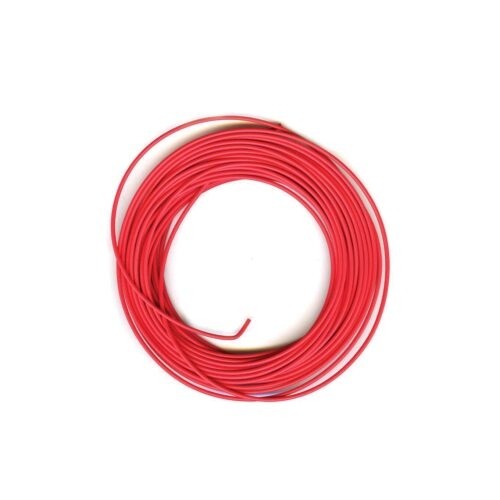
When it comes to electrical wiring, colors tell a story, and each hue carries its own distinctive significance. Among these, the red wire stands out as a key player in the intricate tapestry of electrical systems. But what does it really signify? And how does its presence promise to transform our understanding of household and professional electrical setups? This comprehensive exploration of red wire electrical will not only shed light on its functions and applications but also ignite your curiosity about the enigmatic language of electrical wiring.
1. Understanding the Basics of Electrical Wiring
The world of electrical wiring is nuanced, filled with a variety of colors, each indicative of specific roles and functions. While the red wire shines brightly in this spectrum, it’s essential first to grasp the broader context. Generally speaking, electrical wires are constructed from conductive materials, typically copper or aluminum, encased in insulation. This insulation not only safeguards the wire but also helps prevent short circuits by differentiating between the various conducting wires.
2. The Role of Colors in Electrical Wiring
Electricity flows through a circuit, and the color of the wire indicates its role in that circuit. The National Electrical Code (NEC) establishes guidelines for these color codes, leading to standardized wiring practices. While colors like black and white are commonly known, red wires are often used selectively in specific contexts, inviting deeper inquiry into their purpose.
3. What Does the Red Wire Indicate?
In electric systems, the red wire typically serves as a secondary hot wire. In residential setups, it is frequently used in 220-volt installations, where two hot wires are needed to provide power to heavy-duty appliances such as dryers or air conditioners. This can elevate the efficiency of electrical flow and mitigate potential overloads. Additionally, red wires often participate in multi-way switch setups, enabling the control of a single lighting fixture from two different locations.
4. Variations in Application: Residential versus Commercial Use
The application of red wire is not monolithic; it varies significantly between residential and commercial settings. In a home, red wires are often utilized alongside black wires within breaker boxes or light circuits. In contrast, in commercial applications, you might encounter red wires used in more complex configurations, such as three-phase power systems. This evolution of application underlines the adaptability of red wire in catering to diverse electrical needs.
5. The Intricacies of Multi-Wire Circuits
A fascinating aspect of red wire usage is its integral role in multi-wire branch circuits. These circuits employ both red and black wires to supply power from a single breaker, cleverly facilitating a more power-efficient solution. This means that instead of two separate circuits, homeowners can streamline their electrical supply, reducing the potential for overload on a single circuit. However, it is vital to recognize that such setups may also complicate circuit management, necessitating a keen understanding of electrical principles.
6. Safety Considerations
With great power comes great responsibility—this adage holds particularly true in electrical work. The presence of red wires in a circuit brings with it a responsibility to prioritize safety. Miswiring, often exacerbated by the confusion surrounding color codes, has the potential to result in circuit failures or even electrical fires. Observing safety standards, wearing appropriate protective gear, and consulting licensed professionals are indispensable steps to ensure a secure electrical environment.
7. The Future of Red Wire Electrical
As technology advances, so too does the evolution of electrical systems. With the advent of smart homes and complex energy management systems, the traditional usages of red wire could very well shift. Designers and engineers are increasingly exploring ways to integrate advanced technologies into traditional wiring systems. This might include enhanced safety features, advanced monitoring capabilities, and even the capability to manage energy usage more efficiently.
8. Embracing the Knowledge
Understanding red wire electrical expands our perspective on what seemingly straightforward components can signify in our daily lives. The convergence of theory and application fosters a curious standpoint from which we can appreciate the complexities of electrical systems. It evokes a sense of intrigue about the intertwining roles of different wires, the artistry of electrical design, and the future innovations that lie ahead.
Conclusion
By delving into the world of red wire electrical, we unveil a facet of electrical systems that promises to enrich our comprehension and appreciation of how society harnesses electrical power. The red wire is not merely a component; it is a channel through which understanding flows. As we become informed about its various roles and implications, we find ourselves better equipped to navigate our electrically charged environments, empowered by the revelation that the complexity of the simplest things can often hold profound insights. So, the next time you encounter a red wire, take a moment to ponder the depth of its purpose and the transformative potential it embodies in the electrical universe.









Leave a Comment