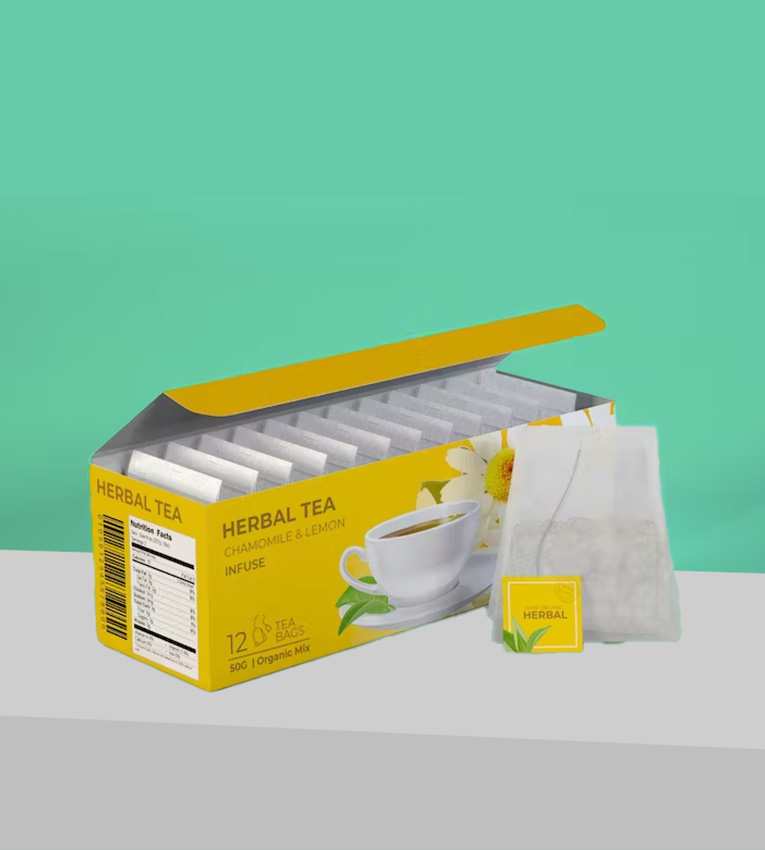
In the world of beverage consumption, tea holds a special place, revered not only for its myriad flavors but also for its intricate packaging designs. Among the various facets of tea marketing, one significant aspect that often gets overlooked is the size of tea bag packaging. This seemingly simple detail can profoundly affect brand perception, consumer choice, and even environmental sustainability. As tea aficionados—and manufacturers—strive to find the perfect balance between practical usability and aesthetic appeal, we delve into the nuances of tea bag packaging size, exploring its implications for manufacturers, consumers, and the environment.
Understanding Tea Bag Packaging
Tea bag packaging transcends its primary function of preserving the freshness of tea leaves. It is an intersection of practicality and art, marrying function with aesthetic allure. Varieties of packaging sizes cater to diverse consumer needs—from single servings for the solitary drinker to bulk sizes intended for families or hospitality businesses. Understanding the specific packaging sizes available in the marketplace can help consumers make informed choices and enhance their overall tea experience.
Single-Serve Packaging
Single-serve tea bags have gained popularity among on-the-go consumers. These minimalist packages often contain one tea bag and are designed for those who desire a quick, convenient brewing experience. Ideal for busy lifestyles, single-serve packaging is frequently seen in offices, hotels, and other settings where quick enjoyment is paramount. The appeal lies in the straightforward element of use and disposal, allowing consumers to brew a single cup without the hassle of measuring out loose leaves.
Family or Bulk Packaging
In contrast, family or bulk packaging aligns with larger households or tea establishments looking to serve multiple guests. Typically, this type of packaging contains anywhere from 20 to 100 tea bags. Family-sized boxes not only offer value for money but also reduce the frequency of repurchasing. Furthermore, having multiple bags available encourages experimentation with different flavors, promoting diversity in tea consumption.
Specialty-sized Packaging
Specialty-sized packaging addresses the niche market segments that crave artisanal or premium tea experiences. These packages may contain fewer bags, often designed to showcase exotic blends or limited-edition offerings. Ranging from 5 to 15 bags, specialty-sized packs cater to consumers who appreciate quality over quantity, providing an opportunity to savor unique flavors without committing to a large purchase. This aligns with the growing trend of tea connoisseurs seeking out rare or organic varieties, enhancing the overall experience.
Commercial Packaging
Tea enterprises targeting the commercial sector, such as cafes and restaurants, often employ larger packaging options tailored for high-volume use. These packages may come in boxes of 500 or more and are designed for efficient brewing in a commercial setting. This bulk packaging not only reduces costs but also ensures that businesses can meet customer demand without frequent restocking. The challenge lies in maintaining freshness and flavor integrity, which many companies address through advanced packaging technology.
Environmental Considerations in Packaging Size
As the awareness of environmental sustainability continues to rise, tea bag packaging sizes must also encompass eco-conscious practices. Smaller packaging may seem more sustainable due to the reduced materials used, but it’s crucial to look beyond the surface. The overall environmental impact depends on the materials used, transportation emissions, and waste produced during the lifecycle of the product. Companies are increasingly opting for biodegradable or compostable materials, encouraging responsible consumer behavior without compromising on quality. For consumers, choosing sustainably packaged products—regardless of size—can significantly lessen their ecological footprint.
Consumer Preferences
Understanding consumer preferences regarding packaging size is essential for tea brands. A market analysis reveals that individual tastes and habits vary significantly. Some consumers prefer single-serving sizes for convenience, while others value bulk packaging for economic reasons. Additionally, the rise of subscription services has led to innovative packaging solutions, offering consumers the flexibility to choose both a variety of teas and the quantity they desire. Tailoring packaging solutions to meet these preferences plays a pivotal role in brand loyalty and market competitiveness.
Marketing and Design
Once the optimum packaging size is determined, aesthetic elements come into play. The design must reflect brand identity while also invoking a desire to participate in the tea experience. Colors, typography, and imagery are crucial in conveying the essence of the tea, appealing to the target demographic. For instance, eco-friendly brands often employ earthy colors and minimalist designs, melding product with purpose. Thus, packaging becomes a crucial touchpoint between the consumer and the brand’s narrative, influencing purchasing decisions from shelves in supermarkets to cafes around the world.
The Future of Tea Bag Packaging
As the tea industry continues to evolve, so too will the strategies surrounding tea bag packaging sizes. Technological advancements may introduce innovative materials and designs, catering to the needs of sophisticated modern consumers. An increased focus on sustainability will likely sway manufacturers to adapt their packaging methods, striving to leave a lighter footprint on our planet. The fusion of practicality, aesthetics, and responsibility in tea bag packaging will undeniably shape the future of tea consumption.
In conclusion, tea bag packaging size is an often-underappreciated aspect of tea marketing that impacts everything from consumer convenience to environmental sustainability. From single-serve options tailored for busy lifestyles to bulk packaging meeting the demands of families and establishments, each size serves a distinct purpose. As consumers become more discerning, embracing both fancy flavors and conscious choices, manufacturers must innovate and adapt to create packaging that reflects this evolving narrative. In the end, whether it’s a soothing cup brewed at home or a refreshing tea served at a bustling café, tea bag packaging size continues to play a crucial role in enhancing the overall experience of this cherished beverage.







Leave a Comment