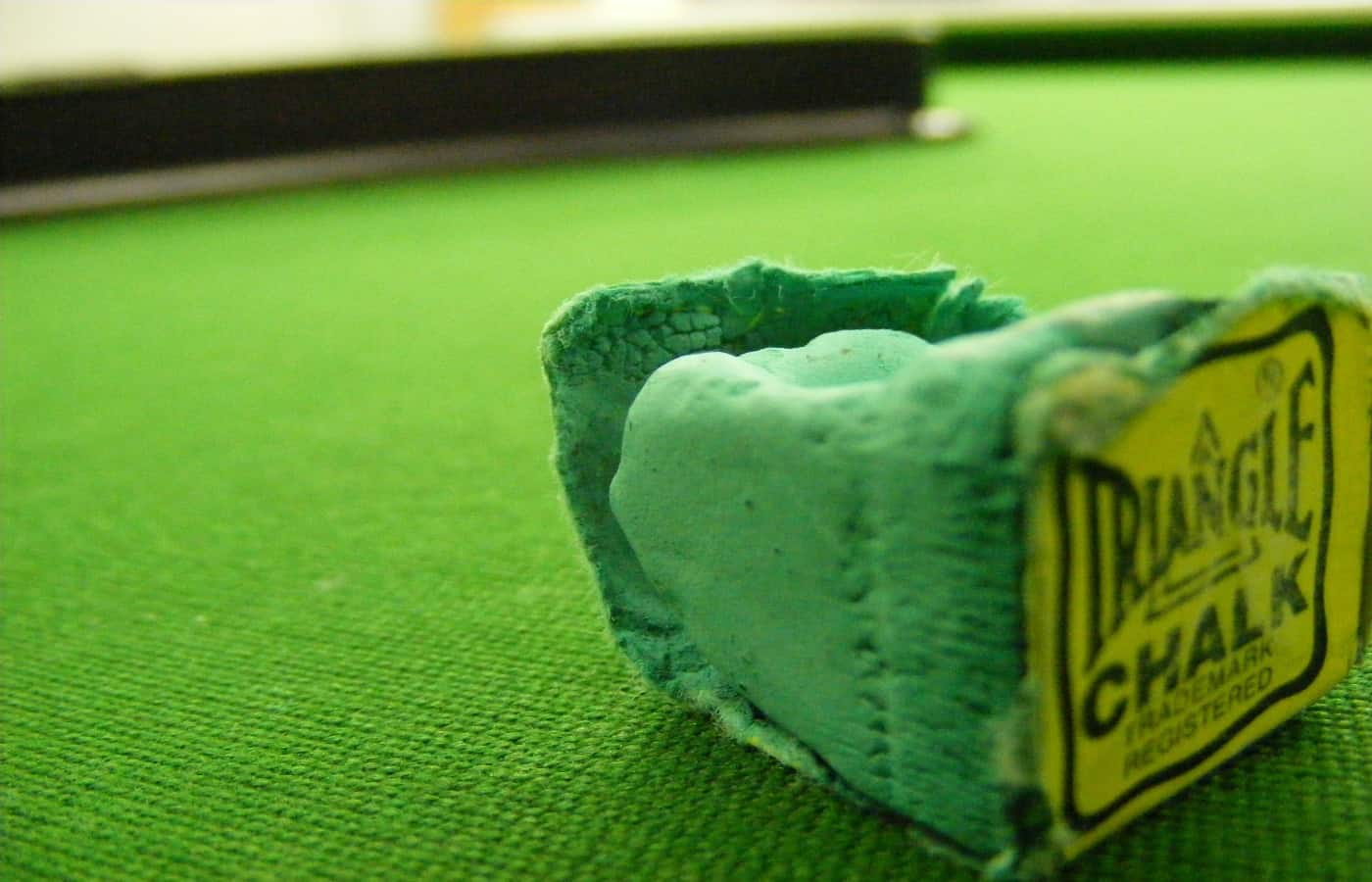
When observing a game of pool, one might notice players routinely applying chalk to the tip of their cues. This seemingly mundane ritual speaks volumes about the dynamics of the game and unveils a fascinating interplay of physics, skill, and precision. But what exactly does chalk contribute to the performance and strategy of a pool player? In order to unravel this inquiry, we will delve into the multifaceted roles that chalk plays, its chemical composition, and its cultural significance within the realm of cue sports.
The Mechanism of Friction: A Player’s Best Friend
The primary function of chalk in pool is to enhance the friction between the cue tip and the billiard ball. The cue tip, typically made of leather or a similar material, requires sufficient grip to prevent the cue ball from slipping off during a shot. When the tip collides with the ball, the friction generated allows the player to impart spin, control the angle of the shot, and direct the ball with precision. Without the application of chalk, a player would encounter an increased likelihood of mishaps, such as miscuing, where the tip fails to make effective contact with the ball, resulting in a lackluster shot.
Types of Chalk: A Variegated Palette
Not all chalk is created equal. It comes in a variety of compositions and colors, each designed to suit different preferences and styles of play. Traditional blue chalk, known for its rich pigment, is the industry standard. However, contemporary players might opt for colored chalk like green, red, or even neon hues for personal aesthetics. Beyond appearance, the composition of chalk can also affect performance. High-quality chalk often contains higher amounts of silica, which significantly boosts the frictional properties, enhancing a player’s control over their cue ball.
Psychological Aspects: A Ritual of Confidence
Beyond the practical applications of chalk, there exists a psychological dimension to its use. The act of chalking the cue can serve as a calming ritual, creating a moment of focus and concentration for players. It allows them to clear their minds and transition into a more attuned state before executing a shot. This psychological preparation is a crucial aspect of competitive play, where nerves and tensions can greatly affect performance. It emphasizes the importance of mental fortitude in a sport where every shot counts.
Chalk and Spin: The Science Behind the Stroke
The aforementioned friction between the chalked tip and the cue ball is essential for executing various spins, such as topspin, backspin, and sidespin. When a player strikes the cue ball with chalk on the tip, they create a heightened level of control that allows them to manipulate the ball’s trajectory more effectively. For instance, applying backspin, or “draw,” necessitates that the cue tip grip the ball enough to generate reverse motion. Conversely, topspin requires precise contact and enough traction to propel the ball forward after it strikes another object ball. Hence, the application of chalk directly correlates with a player’s ability to strategize and manipulate the game’s momentum.
Maintenance of Equipment: A Partner in Care
Chalk also serves as a protective agent for the cue tip, slightly buffering it against wear. Regular application can prolong the tip’s lifespan by minimizing the detrimental effects of frequent contact with the cue ball. This deliberate maintenance of the equipment illustrates the care and dedication that serious players invest in their craft. Investing time in properly chalking the cue is as important as selecting the right cue in the first place; both contribute significantly to a player’s performance and enjoyment of the game.
The Environmental Impact: Dust and Debris
Despite its many benefits, one must also acknowledge the downsides associated with chalk usage. Chalk can produce a fine dust that settles on the pool table’s surface, requiring periodic cleaning to maintain optimal playing conditions. This residue, while manageable, can alter the game’s dynamics if left unchecked. Pool players must balance the advantages of chalk’s friction with the necessity of maintaining a clean playing environment, highlighting the duality of its usage.
A Cultural Icon: The Chalk of Legends
Lastly, chalk has transcended its functional origins to embody a cultural symbol within the world of billiards. It is often depicted in movies and literature, frequently representing the determined spirit of a player. The ritualistic nature of chalking up before a shot has become a visual cue, an emblem of professional preparation and skill. This cultural resonance underscores a deeper appreciation for the game, and the rituals that accompany it, making chalk not just a tool, but a meaningful artifact of the sport.
Conclusion: More Than Meets the Eye
In conclusion, the role of chalk in pool extends far beyond mere convenience. It influences the technical aspects of gameplay while serving psychological and cultural purposes. As players reach for that small cube of blue chalk, they engage in a practice steeped in tradition, preparation, and strategy. From enhancing grip and friction to embodying the spirit of the game, chalk remains an integral ally on the green felt, exemplifying the complex beauty of a pastime that has fascinated players for generations. The next time you see a player chalking their cue, reflect on the myriad ways this humble substance contributes to the elegance and precision that underpins the game of pool.










Leave a Comment