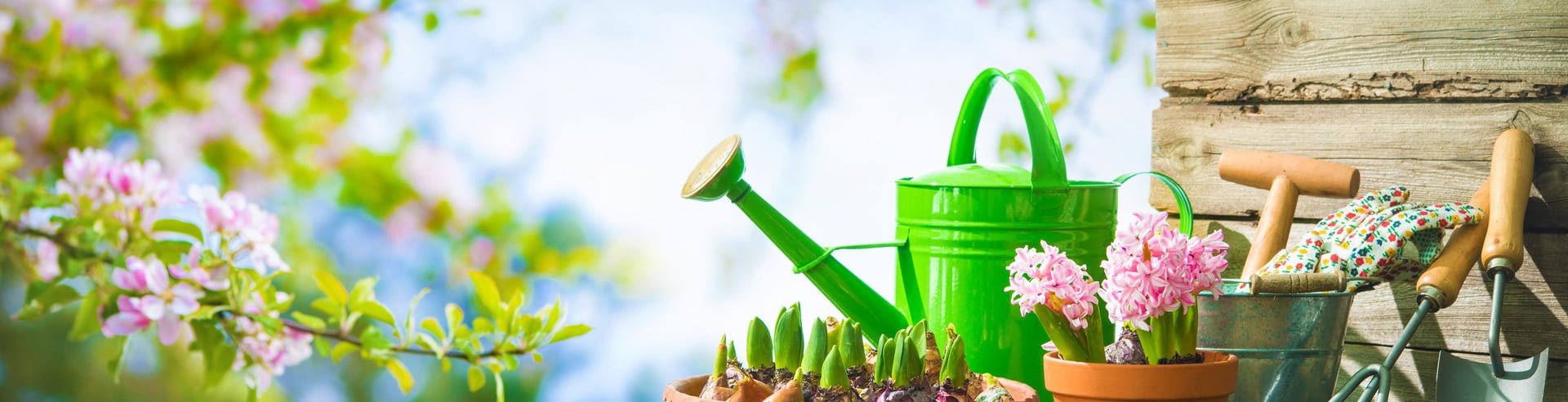
Imagine stepping into your home and being greeted by the vibrant colors and intoxicating fragrances of blooming flowers. Doesn’t it sound delightful? Yet, the challenge often emerges: how can one cultivate these botanical beauties indoors, amidst the constraints of limited space and fluctuating conditions? Growing flowers inside your abode might seem daunting, but with the right knowledge and a sprinkle of patience, you can transform your living space into a floral oasis.
Let’s embark on this colorful journey with an extensive guide on how to grow flowers indoors. From selecting the perfect flower species to ensuring they thrive, we’ve got you covered!
1. Choosing the Right Flowers
The first step in your blossoming adventure is selecting the right flowers that can flourish indoors. Look for varieties that are well-suited to indoor conditions and won’t mind the occasional neglect. Some popular choices include:
- African Violets: These charming plants are known for their velvety leaves and vibrant blooms. They thrive in indirect lighting and require minimal care.
- Peace Lilies: With their striking white blooms, peace lilies can flourish in low light and are forgiving in terms of water needs.
- Orchids: Renowned for their exotic beauty, these require a little more attention but are well worth the effort for their stunning flowers.
2. Gathering Essential Supplies
Before you dive into planting, ensure you have the necessary supplies. Here’s a comprehensive list:
- Containers: Choose pots with drainage holes. Terracotta or breathable plastic options are ideal to prevent overwatering.
- Soil: A well-draining potting mix is crucial. Look for a mixture that includes peat moss, vermiculite, or perlite to maintain air pockets.
- Fertilizer: Opt for a liquid fertilizer specifically designed for flowering plants. This will provide essential nutrients as your flowers grow.
- Watering Can: An easy-to-pour watering can helps you administer just the right amount of water — no drowning allowed!
- Grow Lights: If your indoor environment lacks sufficient natural light, consider investing in grow lights to simulate sunlight.
3. Optimal Location
Placement is pivotal when growing flowers indoors. Most flowering plants thrive in bright, indirect sunlight. Consider the following when deciding where to position your flowers:
- Windowsills: South-facing windows provide maximum sunlight exposure. However, be cautious as direct sunlight can scorch delicate petals.
- Fluorescent Lights: For plants needing that extra light boost, fluorescent grow lights can be placed a few inches above your flowers.
- Temperature: Most flowers prefer a stable temperature between 65°F to 75°F (18°C to 24°C). Avoid drafts and heat sources that may disrupt their growth.
4. Watering Wisely
Overwatering is a common blunder in indoor gardening. A good rule of thumb is to check the top inch of the soil; if it feels dry, it’s time to water. Here are some tips for watering effectively:
- Consistency: Water your plants at the same time each week to establish a routine, but always adjust based on their specific needs.
- Drainage: Ensure that excess water can escape to prevent root rot, a common nemesis of indoor flowers.
- Humidity: Many flowers appreciate a humid environment. Mist their leaves or place a tray of water nearby to maintain moisture levels.
5. Feeding Your Flowers
Nourishing your indoor flowers with fertilizer is essential for robust blooms. Follow these guidelines:
- Timing: Fertilize during the growing season (spring and summer) when your plants are most active.
- Type: Use a balanced liquid fertilizer, diluted to half strength, to avoid overwhelming your flowers with nutrients.
- Frequency: Typically, feeding every four to six weeks is sufficient, but always refer to specific plant needs.
6. Pruning and Maintenance
Keeping your indoor flowers in peak condition involves regular maintenance. Here’s what to do:
- Deadheading: Removing spent blooms encourages new growth and helps keep your plants attractive.
- Leaf Inspection: Check for signs of pests or disease, such as discolored leaves or unwelcome visitors. Catching issues early can save your plants.
- Repotting: As your flowers grow, they may outgrow their containers. Repotting every couple of years in fresh soil ensures they have enough space to flourish.
Conclusion
Embarking on the journey of growing flowers indoors can yield not only stunning visuals but also a sense of serene accomplishment. While challenges may arise from time to time, the joy of nurturing flowers and watching them bloom in your living space is immensely gratifying. So, are you ready to embrace the colorful challenge of indoor gardening? With the right approach and a little love, your home can flourish into a vibrant sanctuary of blooms!







Leave a Comment