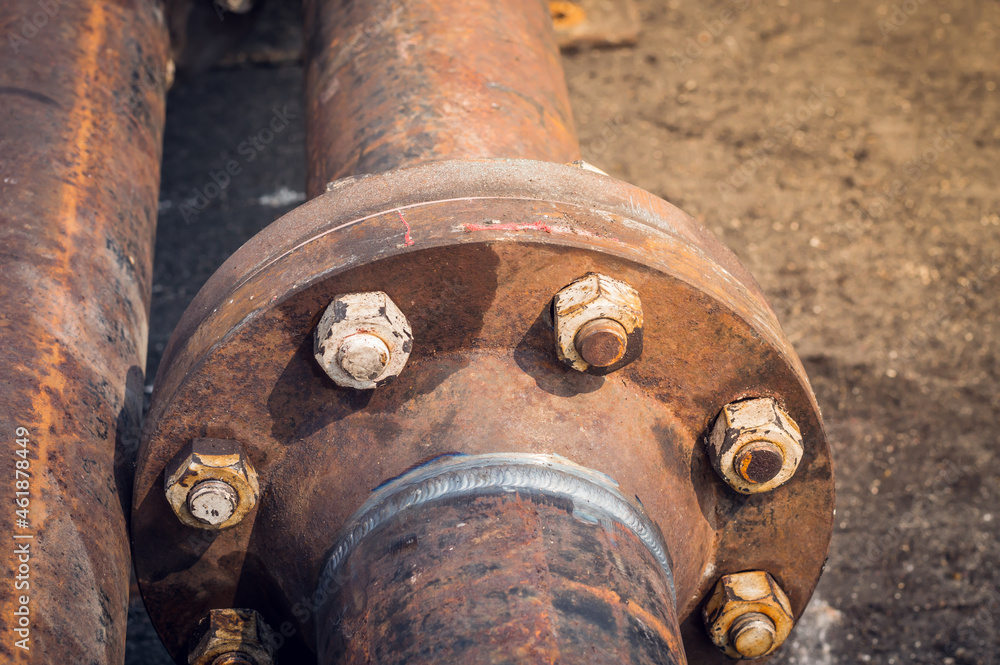
In the intricate world of metallurgy and piping, the pipe to pipe weld stands as a crucial juncture, akin to the threads in a tapestry that bind stories together. Each weld is a testament to the craft of joining disparate elements into a cohesive whole. Much like the unseen connections between the pages of a book, these welds ensure that systems flow seamlessly, conveying not only materials but also energy and intent. Understanding the art and science behind pipe to pipe welding invites us into a realm where precision meets creativity, crafting robust structures that stand the test of time.
1. The Fundamentals of Pipe to Pipe Welding
At its core, pipe to pipe welding involves the fusion of two pipes through various techniques suited to different materials and applications. It’s crucial to note that the choice of welding technique—be it MIG, TIG, or Stick welding—depends not just on the material properties but also on the environmental conditions and the specific requirements of the project. This selection process is akin to a painter choosing their brushes; each tool serves a unique purpose, contributing to the final masterpiece.
2. Understanding Different Welding Techniques
The welding techniques employed in pipe to pipe applications each possess distinctive attributes:
- MIG Welding (Metal Inert Gas): This method utilizes a continuous wire feed and a shielding gas to create a clean and efficient weld. Particularly effective for mild steel, MIG welding is like a fast-moving river—fluid, flexible, and capable of adapting to different terrains.
- TIG Welding (Tungsten Inert Gas): Renowned for its precision, TIG welding involves a non-consumable tungsten electrode and is especially favored for aluminum and stainless steel. Much like a master sculptor chiseling marble, this technique requires a steady hand and an experienced eye to create immaculate seams.
- Stick Welding (Shielded Metal Arc Welding): Often employed in outdoor settings, this versatile method is characterized by the use of consumable electrodes. It is the workhorse of welding, robust and resilient; much like a steadfast oak tree weathering the storm, it excels in less-than-ideal conditions.
3. Material Considerations
The materials involved in pipe welding are as varied as the landscapes from which they derive. Steel, stainless steel, aluminum, and even exotic alloys each present unique challenges and opportunities. Understanding these materials—akin to a chef knowing their ingredients—allows welders to execute their craft with fidelity. For instance, welding stainless steel requires an acute understanding of corrosion resistance, while aluminum necessitates meticulous attention to heat conduction and distortion.
4. The Importance of Joint Design
Just as the bones support the human body, the design of a weld joint necessitates careful consideration. Different joint configurations—such as butt, socket, and lap joints—dictate the strength and integrity of the finished product. The choice of joint is influenced by factors such as pressure rating, pipe diameter, and the service conditions it will undergo. A well-designed joint can mean the difference between a durable pipeline and a catastrophic failure.
5. Preparing for Welding: The Art of Cleanliness
The preparatory steps before welding can be likened to an artist preparing their canvas. Cleaning, beveling, and ensuring tight fit-up are paramount. Contaminants such as oil, rust, and dirt can compromise the quality of the weld, similar to how a speck of dust can mar a masterpiece. Proper preparation ensures not only a harmonious weld but also enhances the overall lifespan and performance of the piping system.
6. Welding Process: The Dance of Heat and Metal
As the welding arc ignites, it resembles a dance, with the welder’s torch leading the way. The heat generated fuses the base metals while allowing for filler material to meld into the crevices, creating a bond stronger than the individual components. This is where science meets artistry, as the welder controls the speed and angle of the torch, adjusting to the rhythm of the materials and environmental variables. Every touch has purpose; every pause has meaning.
7. Post-Weld Inspection: Ensuring Integrity
Once the glow of the welding torch fades, the focus shifts to inspection—the final act in the performance. Visual inspections, X-rays, and ultrasonic tests are employed to ensure that the weld has adhered to both aesthetic and structural standards. This stage is akin to the sommelier tasting wine for flaws; it safeguards the integrity of the entire system, ensuring that the reliability of the weld meets, or exceeds, industry standards.
8. The Significance of Continual Education
In the ever-evolving field of welding, continuous education remains paramount. New materials, techniques, and technologies emerge, demanding that welders adapt and refine their skills. Workshops, certifications, and hands-on training serve not just as learning tools, but as vital instruments for growth. Understanding the latest advancements keeps the welder in tune with the changing tempo of the industry.
Conclusion: The Lasting Bond
Pipe to pipe welding is much more than a mechanical process; it is an eloquent symphony of science and craft. Like the bonds woven into our relationships and our endeavors, each weld signifies a commitment to quality, safety, and durability. With every connection forged in heat, the storyteller of pipes reveals an ongoing narrative of innovation and resilience. As the world continues to progress, the art of pipe to pipe welding emerges not just as a necessary skill, but as a vital link in the chain of human ingenuity, uniting disparate elements into a singular force—robust, enduring, and beautifully crafted.







Leave a Comment