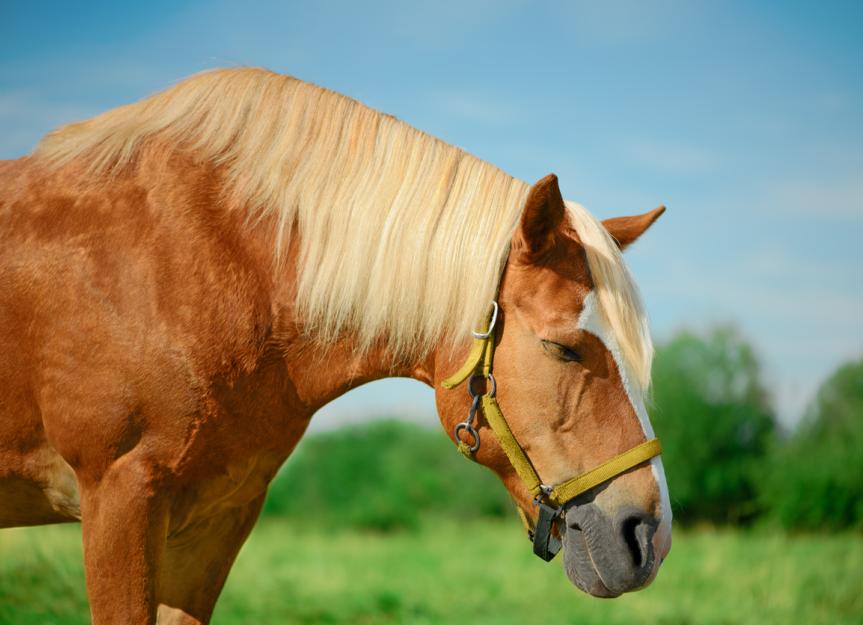
When one gazes upon a serene pasture dotted with magnificent horses, it’s not uncommon to wonder about their sleeping arrangements. Observing these majestic creatures, many might assume that horses simply doze off while standing, but the truth about their slumbering habits unveils a rich tapestry of behaviors and needs that both captivate and intrigue horse enthusiasts. So, what do horses sleep in? The answer goes beyond the surface and delves into the abode that supports their majestic existence.
The Anatomy of Horse Sleep
Horses possess a unique physiological structure that allows them to sleep both standing up and lying down. This fascinating adaptation is attributed to the “stay apparatus,” a complex series of ligaments and tendons in their legs that enables them to lock their joints. This mechanism is vital in the wild, as it affords horses a quick escape from potential predators while they catch a few winks. However, these magnificent animals have more nuanced sleeping needs than mere vigilance.
The Importance of a Restful Setting
When we contemplate what horses sleep in, the first aspect to consider is their sleeping environment. Unlike domestic pets that may curl up in the cozy confines of a bed, horses thrive in spacious, safe surroundings. Their sleeping quarters—often referred to as stalls—must provide adequate shelter, ventilation, and comfort. Stable design plays a significant role in this regard. Well-built stalls should allow the horses to lie down comfortably without feel constrained, accounting for their tendency to seek a fitting vantage point to rest.
Materials that Matter
Within these stalls, bedding proves essential to the horse’s sleeping experience. While classic straw is often the go-to choice, shavings or pellets made from various materials like hemp, paper, or even recycled products are increasingly favored. These bedding materials not only absorb moisture but offer soft cushioning that promotes restful sleep. The sensory nature of straw, with its earthy aroma and texture, may even evoke natural instincts in the horse, making it an appealing choice.
Safe Haven: The Horizon of Familiarity
Alongside the bedding, the overall stability and comfort of a horse’s stall can greatly impact its mental well-being. A sense of security can be fostered with familiar surroundings, including neighboring horses with whom they can bond. Horses are social animals, and knowing that they are not alone while they sleep strengthens their comfort level. Stalls that come equipped with proper lighting and calming colors also contribute to an environment conducive to relaxation.
Shifting Sleep Patterns
As humans often have various sleeping habits dictated by their daily routines, horses share a similar variability. They may not adhere to a strict schedule but rather tend to take short naps throughout the day and longer periods of deep sleep during the night. Interestingly, horses require two distinct types of sleep: slow-wave sleep (SWS) and REM (rapid eye movement) sleep, with the latter being crucial for mental rejuvenation. While SWS can occur while standing, REM sleep necessitates lying down, showcasing the delicate balance they must maintain between vulnerability and necessity.
External Influences
Weather and environmental conditions are additional factors to consider regarding horse comfort. Horses exhibit an instinctual behavior to seek shelter during harsh weather conditions, whether rain, snow, or extreme heat. Providing adequate shades, windbreaks, or sheltered spaces reflects the owner’s commitment to ensuring their horse’s welfare. Horses instinctively gravitate towards safe, enclosed areas when seeking respite from the elements, making it essential for horse owners to create the right atmosphere.
Conclusion: The Interconnection of Space and Serenity
Ultimately, a horse’s sleeping arrangements are more than mere structural spaces filled with bedding. They represent the intersection of comfort, security, and well-being, crucial elements not only for sound sleep but also for the overall health of these extraordinary animals. Understanding what horses sleep in and the deeper implications of their sleeping needs unearths a fascinating insight into their world. By creating a nurturing environment filled with the right materials and emotional assurance, horse owners can enhance the life quality of these magnificent beings, allowing them to thrive both in vitality and in spirit. As we ponder their sleeping habits, we delve deeper into the profound relationship between humans and these captivating creatures, revealing layers of connection that go beyond mere observation.










Leave a Comment