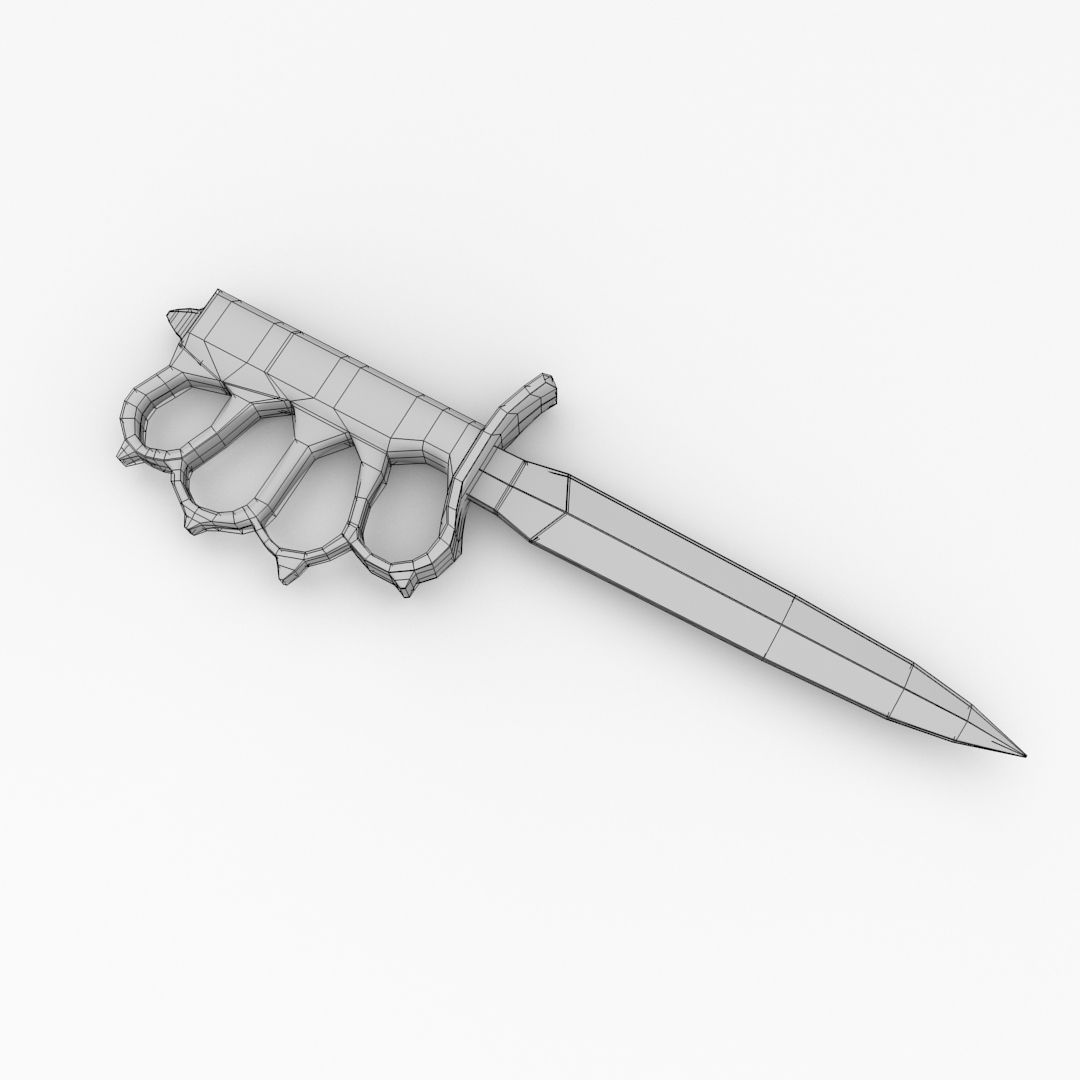
Brass knuckles with knife attachments represent a fascinating intersection of weaponry, design, and personal defense. These hybrid instruments are more than mere gadgets; they evoke sentiments of power, danger, and practicality that can draw in enthusiasts, collectors, and everyday users alike. Unlike traditional weapons, which often boast singular functions, brass knuckles with knives embody duality, functioning as both a close-combat tool and a means of self-defense. In this comprehensive exploration, we will delve into the historical significance, functional advantages, legal implications, safety concerns, and the psychological allure of these unique pieces.
Historical Significance
The origins of brass knuckles can be traced back to ancient civilizations, where they served as a means of augmenting the user’s striking power. Initially crafted from metals like brass, iron, and steel, they have evolved into various styles and materials over centuries. The evolution of brass knuckles with integrated knife blades represents a convergence of combat traditions from different eras and cultures. In many ways, these tools reflect societal attitudes toward self-defense, martial culture, and individual empowerment.
During the early 20th century, as street fighting became more common, brass knuckles offered a means of delivering lethal force in unarmed confrontations. With the introduction of the knife blade, the utilitarian aspect became paramount. Equipped with both striking capabilities and a sharp cutting edge, users could handle a wider array of survival and self-defense scenarios. This adaptability has made brass knuckles with knives a staple not only among martial artists but also among survivalists and outdoor enthusiasts.
Functional Advantages
The primary allure of brass knuckles with knife attachments lies in their effectiveness in close-quarters combat. The ergonomic design allows for a firm grip, enhancing the user’s striking power while reducing the risk of injury to the hand. This facet is particularly appealing during self-defense situations where every moment counts.
Moreover, the inclusion of a blade adds an extra layer of versatility. Users can transition seamlessly between striking and slicing, making the tool adaptable for various defensive scenarios. Whether in an urban environment or the wilderness, the combined functionality allows individuals to address threats swiftly and decisively.
The compact design of these tools also contributes to their practicality. Easy to carry and conceal, they can be stowed away in pockets or bags, ensuring that the user has access to multi-faceted self-defense options. Unlike traditional knives or separate brass knuckles, this hybrid design minimizes bulk while maximizing efficacy.
Legal Implications
It is imperative for individuals to understand local laws regarding concealed weapons. Many regions have specific regulations governing the ownership, transportation, and use of such tools. Failing to adhere to these regulations can result in serious legal repercussions. Prospective owners should conduct thorough research to avoid unintended violations.
Safety Concerns
With great power comes great responsibility. Brass knuckles with knife attachments, while practical, can pose significant safety risks if used inappropriately. The potential for serious injury—either to the user or others—cannot be understated. Improper handling, lack of training, or impulsive reactions can lead to devastating consequences, both physically and legally.
Educating oneself about safe handling practices is crucial. Users should consider enrolling in self-defense classes that include training on how to use such tools effectively and responsibly. Understanding the nuances of defensive techniques and situational awareness can empower individuals and reduce the likelihood of mishaps.
Psycho-Social Fascination
The psychological allure of brass knuckles with knives is deeply rooted in the human psyche. For some, these tools exemplify strength, autonomy, and the primal instinct to protect oneself. The very notion of wielding a weapon can evoke feelings of control and confidence. In a world where many feel vulnerable, such tools can provide a semblance of security.
Moreover, the aesthetic appeal of these devices cannot be ignored. The combination of metal, design intricacies, and a menacing aura can attract collectors and aficionados who appreciate craftsmanship as much as functionality. The collectible market for these tools has flourished, with various designs appealing to diverse tastes and preferences.
Ultimately, the fascination surrounding brass knuckles with knives transcends mere utility; it taps into broader themes of empowerment, self-reliance, and self-defense. The duality of the design represents a modern interpretation of ancient practices, marrying history with contemporary needs.
Conclusion
Brass knuckles with knife attachments embody a compelling blend of historical significance, practical functionality, legal considerations, and deep-rooted psychological appeal. While these tools can be effective aids in self-defense and survival situations, they also demand a respectful understanding of their power and responsibility in their application. As society grapples with concepts of safety and autonomy, the intrigue surrounding brass knuckles with knives will likely endure, reminding us of the delicate balance between protection and risk. Whether viewed through the lens of history, functionality, or psychological impulses, they stand as a testament to the human pursuit of security and power.







Leave a Comment