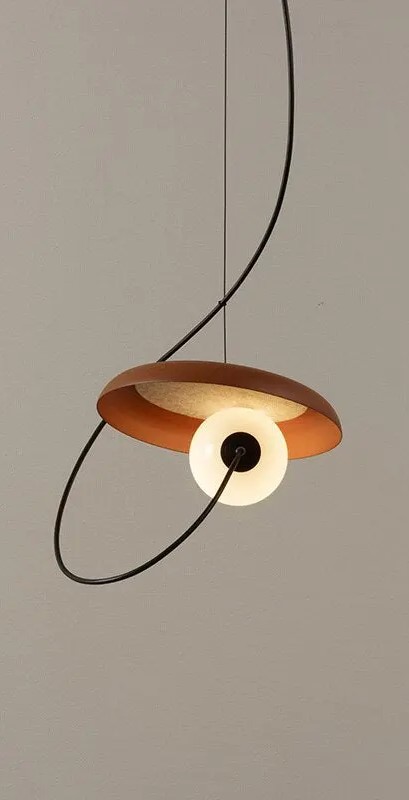
When it comes to illuminating our spaces, the conversation often pivots around wattage, the archaic standard of energy consumption, and lumens, the more contemporary measure of brightness. In this electrifying dance of light, how many lumens does a 60-watt bulb actually emit? Understanding the luminous output of this commonplace bulb can grant you insight into ideal lighting choices for your domicile. With the shift from incandescent to more energy-efficient options, it becomes imperative to delve deeper into the enchanting world of lumens.
First, let’s paint the landscape of light. Think of wattage as the musical score of a symphony—the energy that powers the performance. Lumens, however, represent the vibrant notes produced, vibrating through the air with a pulsating glow. A typical 60-watt incandescent bulb can offer a radiant output of approximately 800 lumens. This metric serves as the benchmark for brightness, allowing us to envision the level of illumination that can pervade a room, akin to a soft whisper or a gentle breeze that caresses the senses.
Transitioning from traditional bulbs, we find ourselves amidst the rising tide of energy-efficient alternatives, such as LED and CFL bulbs. These modern marvels often provide the same luminous output while consuming a fraction of the energy. A 9-13 watt LED bulb can produce around 800 lumens, echoing the efficiency of a finely tuned machine. The LED technology metamorphoses light into an art form, inscribing clarity and brilliance, while also being kind to the environment. This juxtaposition of wattage and lumens not only enhances your space but also invites a more sustainable lifestyle.
As you navigate the realm of illumination, it’s essential to grasp the significance of lumens in practical terms. Picture a cozy reading nook bathed in the gentle luminosity of a 60-watt bulb. Its warmth cradles you, inviting you to lose yourself in the pages of a captivating novel. The soft glow gently ebbs and flows, reducing eye strain while simultaneously bestowing an ambiance rich with comfort. This is the heartfelt allure of the traditional 60-watt formula—an unmistakable sensation that dances on the edge of nostalgia.
Moreover, the interplay of lumens extends beyond mere brightness; it interfaces directly with your environment and personal preferences. A living room adorned with 800 lumens creates an inviting atmosphere meant for both conversation and repose. Conversely, a workspace demands functionality and vigor, where focused lighting conducive to productivity necessitates an output of perhaps even more lumens. The understanding of light requirements in different spaces—such as kitchens, hallways, or bedrooms—forms the backbone of effective lighting design.
Interestingly, lumens are subjective and relative. While 800 lumens may light up one space comfortably, another may require a more dazzling array. Dimmers, fixtures, and the positioning of bulbs play a significant role in effectively harnessing light. Placing a 60-watt bulb under a shaded lamp might offer a mellow glow, whereas suspended high in an open area, it can become a pivotal source of illumination, altering the ambiance entirely.
In our quest for lighting enrichment, it becomes clear that lumens also possess an emotional quotient. The radiant light from a 60-watt bulb can evoke warmth during cold winter evenings, creating an intimate cocoon that beckons family and friends. Conversely, the stark brightness of an LED bulb during the day can energize spirits, mimicking sunlight and elevating mood. This psychological dimension of lighting reveals the hidden power of lumens to influence our emotional landscapes.
As you explore the options for replacing your incandescent bulbs, you may encounter varying figures for lumens across different brands and types. Factors such as the color temperature—a measure of how ‘warm’ or ‘cool’ a light may appear—provide additional layers of nuance. A 60-watt equivalent LED bulb emitting 800 lumens can range from a soft yellow hue at 2700K to a crisp white at upwards of 5000K. Understanding these variations can significantly enhance your realm of choices, enabling you to craft an atmosphere that resonates with your unique style.
Ultimately, the harmonious balance between wattage and lumens offers insights into efficiency without forsaking ambiance. It highlights a revolutionary approach to light, drawing attention to the delicate interplay of energy use and brightness. By embracing lumens as your guiding light, you illuminate not just rooms but experiences—transforming mundane environments into radiant reflections of your life.
As you stand poised at the crossroads of brightness, consider the metaphorical lantern that is the 60-watt bulb, casting gentle light on the pathways of your home. It speaks to heritage as well as modern conveniences, reminding us that while we advance towards innovative energy sources, the essence of light—measured in lumens—retain the power to transform our physical and emotional spaces. In this illuminating journey, may you find not only clarity but also a renewed appreciation for the profound impact of light on our daily lives.










Leave a Comment