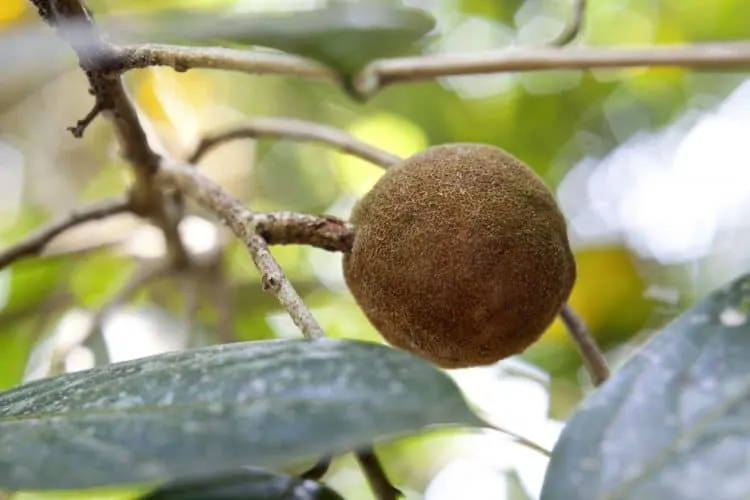
Sandalwood, a valued aromatic wood, has piqued the interest of perfumers, artisans, and wellness enthusiasts for centuries. The olfactory profile of sandalwood is a complex tapestry woven from myriad notes, each contributing to its rich and layered scent. This article endeavors to explore the essence of sandalwood, delving into various dimensions of its aroma, its applications, and the experience it offers.
1. The Essence of Sandalwood: An Introductory Overview
The scent of sandalwood is often characterized as warm, creamy, and slightly sweet, with echoes of earthiness that transport the senses. Its fragrance is not just a single note but a medley of elements, each interplaying to produce an aroma that can be both grounding and uplifting. At the core, sandalwood emits a soft, woody scent that evokes a sense of tranquility, making it a popular choice in meditation and spiritual practices.
2. The Origins of Sandalwood
Sandalwood primarily hails from the Santalum genus, with Santalum album, also known as Indian sandalwood, being the most cherished. The wood’s unique fragrance largely comes from its heartwood, which develops aromatic oils over decades. The age and quality of the wood significantly impact its aromatic potency, often resulting in a richer, more profound scent in older specimens. This natural essence has cultivated a legacy in various cultures, from India to Hawaii, embedding sandalwood in traditions spanning millennia.
3. The Olfactory Journey: Notes of Sandalwood
To fully appreciate sandalwood’s aroma, one must embark on an olfactory exploration of its key notes:
- Base Notes: Sandalwood is classified as a base note in perfumery, providing depth and longevity to fragrance compositions. The creamy woodiness creates a soothing foundation, often complemented by notes of musk or amber.
- Middle Notes: The heart of sandalwood reveals soft, milky undertones, often described as soothing or calming. This element makes sandalwood an ideal transition note in various fragrance blends.
- Subtle Nuances: Within its woody character lies a hint of sweetness and an almost powdery facet, reminiscent of delicate florals. Some enthusiasts detect mossy or herbal undertones, which introduce a refreshing complexity to its scent profile.
4. Varieties of Sandalwood and Their Distinct Aromas
Different species of sandalwood yield distinct scents, each with particular qualities:
- Indian Sandalwood (Santalum album): Known for its rich, deep aroma, this variety is the most esteemed. Its scent is opulent and velvety, often evoking notes of cream and spices.
- Australian Sandalwood (Santalum spicatum): This type boasts a fresher, greener scent, with an aromatic profile that’s slightly herbaceous. It presents a more terrestrial aspect, making it ideal for innovative fragrance formulations.
- Hawaiian Sandalwood (Santalum paniculatum): This less common variety has a sweet, rich aroma with hints of sweetgrass. This unique profile adds an exotic dimension to the sandalwood family and is versatile for use in both perfumes and incense.
5. The Role of Sandalwood in Perfumery
In the realm of perfumery, sandalwood is revered for its versatility. It serves as a coveted fixative, anchoring more volatile notes and enhancing the longevity of scents. Its harmonious ability to blend with a plethora of other notes, such as florals, spices, and citruses, makes it an indispensable ingredient in myriad fragrance compositions. From multifaceted blends to simple, minimalist fragrances, sandalwood’s presence adds a layer of sophistication and complexity.
6. Uses and Applications Beyond Fragrance
Sandalwood transcends the boundaries of perfumery, finding its place in various cultural practices and contemporary wellness trends:
- Incense and Rituals: Traditionally, sandalwood has been burned as incense during religious ceremonies, meditation, and yoga practices. The soothing aroma facilitates enhanced concentration and spiritual connection.
- Aromatherapy: Sandalwood essential oil is celebrated in aromatherapy for its calming properties. It is often employed in massage oils and diffusers, aiding relaxation and reducing stress levels.
- Skincare: The oil’s astringent and antiseptic properties render it beneficial in skincare. It is used in beauty products targeting acne and skin irritation, proffering both scent and therapeutic benefits.
7. Conclusion: Embracing the Sandalwood Experience
In conclusion, the scent of sandalwood is a profound sensory experience, rich in history and cultural significance. Its warm, creamy profile with multifaceted nuances captures the essence of nature, evoking feelings of peace and serenity. Whether inhaled through incense, embedded in luxurious perfumes, or utilized in wellness rituals, sandalwood serves as a bridge connecting mind, body, and spirit. For those seeking tranquility or allure in fragrance, sandalwood remains an aromatic siren, guiding the senses toward an exquisite olfactory horizon.









Leave a Comment