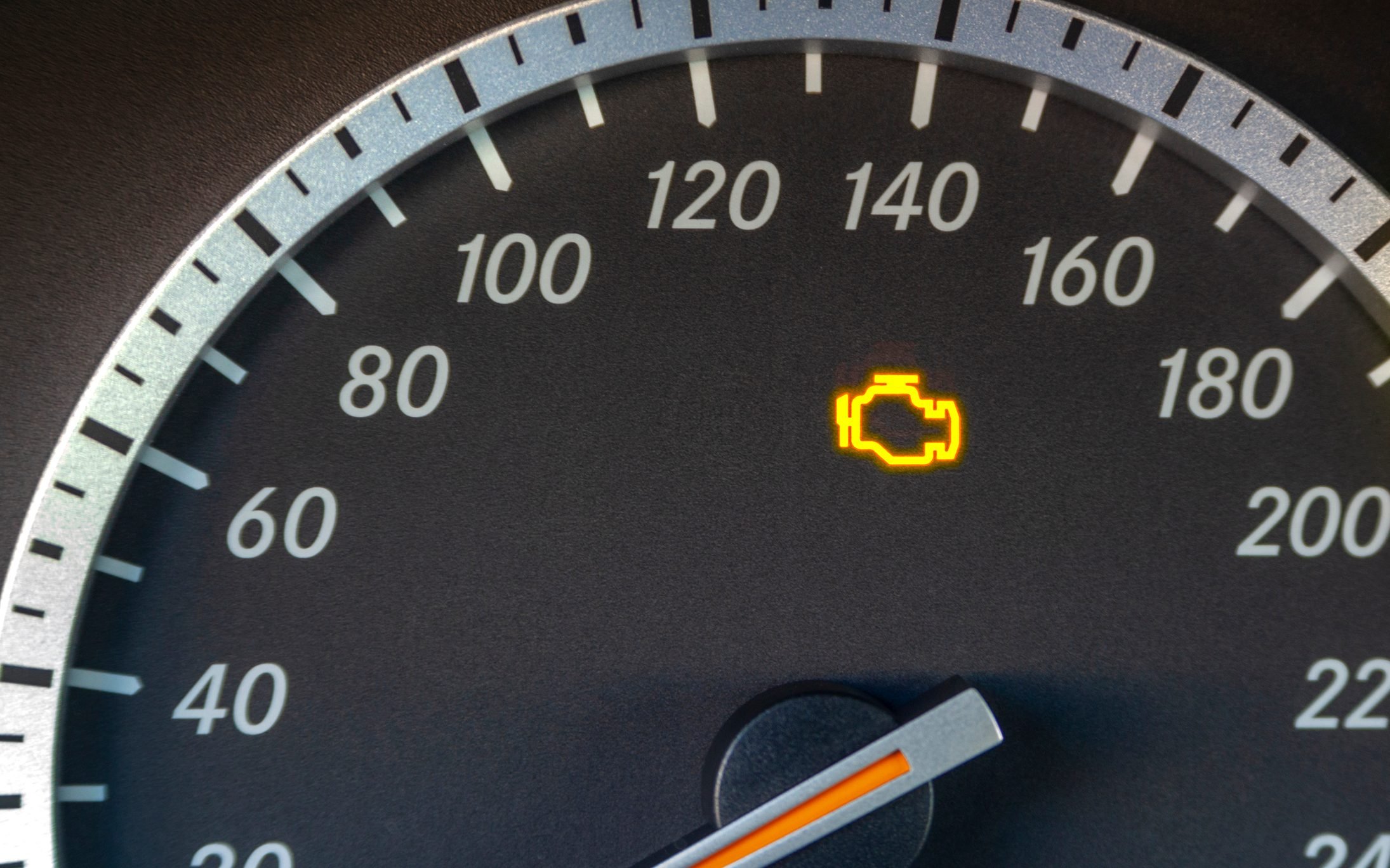
Have you ever been cruising down the highway, feeling the gentle hum of your vehicle, when suddenly that pesky check engine light flickers to life? It can be both perplexing and irritating. What are you supposed to do? The light shines brightly, almost mockingly, and poses the question: are you ready for a little automotive adventure? Navigating the world of engine diagnostics can feel like a challenge, but fear not; resetting that light is within your grasp. Below is a comprehensive guideline detailing how to reset the check engine light, making the process as easy as pie.
Understanding the Check Engine Light
The check engine light, officially known as the Malfunction Indicator Lamp (MIL), serves as your vehicle’s way of communicating its internal struggles. This light illuminates for numerous reasons, ranging from minor as a loose gas cap to more severe engine complications that require immediate attention. Before opting for any reset measures, it is prudent to understand the root cause of the illuminated light.
Step 1: Check for Issues
Before resetting the check engine light, ascertain whether any ongoing issues require resolution. Here are some common checks:
- Inspect the Gas Cap: A loose or damaged gas cap can trigger the light. Tighten or replace it if necessary.
- Examine Fluid Levels: Check engine oil, coolant, and transmission fluid levels to ensure they meet manufacturer specifications.
- Look for Obvious Signs: Pay attention for unusual sounds, smells, or changes in performance that may indicate mechanical troubles.
Step 2: Retrieve Diagnostic Trouble Codes (DTCs)
Next on this journey is extracting the Diagnostic Trouble Codes (DTCs) from your vehicle’s onboard diagnostics system. This process informs you precisely why the engine light is aglow. Here’s how to navigate this step:
- Employ an OBD-II Scanner: Purchase or borrow an OBD-II scanner, a handy device that connects to your vehicle’s diagnostic port. Standard locations include under the dashboard near the steering column.
- Follow Instructions: Plug in the scanner, turn on the ignition (without starting the engine), and follow the scanner’s prompts. The device will display the trouble codes associated with the engine light.
- Interpret the Codes: Most OBD-II scanners provide a brief description of the DTC. Familiarize yourself with common codes to understand their implications better.
Step 3: Address the Root Cause
Now that you have identified the underlying issue through DTC retrieval, it’s time to address any faults. Until you rectify the root problem, simply resetting the light may not suffice. Ignoring serious issues can lead to extensive damage or costly repairs. Consider the following:
- Seek Professional Help: If the issue is beyond your expertise, don’t hesitate to consult a qualified mechanic.
- Tackle Minor Repairs: Many minor issues, such as replacing a faulty oxygen sensor or repairing vacuum leaks, can often be executed with some basic tools and research.
Step 4: Resetting the Check Engine Light
Feeling ready to reset that ominous light? Here are several methods to accomplish this feat:
- The OBD-II Scanner Reset: After addressing the issues, use your OBD-II scanner to delete the trouble codes and thus reset the check engine light. Simply navigate to the “Erase Codes” option and confirm.
- Battery Disconnection: As an alternative method, disconnect the negative battery terminal for approximately 15 minutes. This can help reset the vehicle’s computer. Ensure to have your radio code, as you might need to re-enter it afterward.
- Driving Cycle: Sometimes, allowing the vehicle to complete several driving cycles while monitoring its performance can reset the check engine light if all issues have been resolved. This involves starting the car, running it, and shutting it down a few times.
Step 5: Observe and Maintain
After successfully resetting the light, the journey is not yet over. Monitor the vehicle’s performance over the following weeks. Set reminders for regular maintenance and periodic checks of essential systems, as staying proactive can prevent minor issues from escalating into major problems.
Conclusion
How liberated do you feel now that you’ve unveiled the secret to resetting that check engine light? Whether you took matters into your own hands or sought professional guidance, your vehicle’s health is paramount. Remember, while the reset is an essential part of the process, understanding and addressing the underlying issues is vital for longevity and safety. May your future drives be smooth, and may that check engine light remain dormant—at least for a while!










Leave a Comment