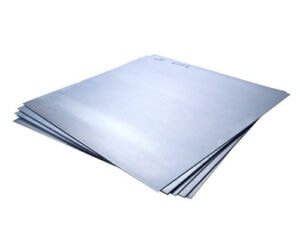
Steel—an iconic amalgamation of iron and carbon—stands as a testament to ingenuity in the realm of human manufacturing. Among the myriad of gauges used to signify steel thickness, the 12 gauge steel stands prominently, like a steadfast oak in a forest of options. Understanding its precise thickness is crucial for an array of applications, ranging from construction to crafting intricate metal artworks. So, exactly how thick is 12 gauge steel? Let’s embark on a journey to decipher its dimensional intrigue and discover its exceptional allure.
At its core, 12 gauge steel measures approximately 0.105 inches, or 2.64 millimeters thick. To contextualize this measurement, it integrates seamlessly into the fabric of various engineering and artistic endeavors. The metric system, while often associated with precision, brings with it a world of applications where reliability is pivotal. This thickness positions 12 gauge steel as a versatile player in both structural integrity and aesthetic charm.
Understanding the Gauge System
To grasp the significance of 12 gauge steel, one must first delve into the gauge system itself—an enigma that transforms inches into a numerical language. The gauge system operates inversely, meaning that as the gauge number increases, the thickness of the steel decreases. It’s akin to peeling an onion; the further you go, the less substantial it becomes. This peculiar system allows engineers and craftsmen alike to convey a precise level of thickness without verbal or written confusion.
Comparative Thickness: A Broader Perspective
Placing 12 gauge steel within the spectrum of other gauges elucidates its unique stature. For instance, a 10 gauge steel measures approximately 0.1345 inches (3.4 mm), while an 11 gauge is 0.1196 inches (3.0 mm) thick. Conversely, a 14 gauge steel is a mere 0.075 inches (1.9 mm) thick. Each increment reveals a delicate balancing act between strength and practical application. In a world where choices abound, the decision to employ 12 gauge steel often hinges not solely on its thickness but also on a myriad of factors including tensile strength, ductility, and intended use.
Applications of 12 Gauge Steel
The versatile nature of 12 gauge steel resonates deeply across multiple domains. It serves as a quintessential material in the realm of metal fabrication, utilized for items as diverse as automobiles and kitchen appliances. Its robust nature makes it ideal for crafting tools that demand resilience and longevity, such as brackets and supports.
Furthermore, it emerges in the construction industry as well, where its capacity to bear weight plays a pivotal role in structural elements. From the steel frames of buildings to security gates and fencing, 12 gauge steel weaves its strength into the very foundations of modern architecture.
Artisans also find solace in the embrace of 12 gauge steel, as it lends itself to a myriad of artistic expressions. Sculptures, intricate décor, and even custom furniture pieces materialize from this sturdy canvas, showcasing not just the beauty of metal but also its tactile interplay with light and shadow.
The Allure of Durability and Resistance
One of the most compelling attributes of 12 gauge steel resides in its innate durability. This steel variant possesses an impressive ability to withstand wear and tear, making it an outstanding choice for both industrial and residential applications. The tensile strength of 12 gauge steel ensures that it can endure substantial loads without succumbing to deformation or failure.
Moreover, its resistance to corrosion—often a critical factor in outdoor environments—enriches its appeal. When galvanized or coated, 12 gauge steel transforms into a stalwart guardian against the elements, standing resolute against rust and oxidation. This level of resistance enhances its longevity, making it an economical choice over time.
Environmental Considerations and Sustainability
In an era marked by heightened environmental awareness, the sustainability of materials has become paramount. Steel, including 12 gauge, takes center stage with its recyclability. Steel can be reclaimed and repurposed, breathing new life into its existence. This circular journey of materials resonates with the ethos of sustainability, aligning with the values of craftsmanship meant to last.
Conclusion: The Enduring Legacy of 12 Gauge Steel
The story of 12 gauge steel is woven into the narrative of human advancement, echoing themes of strength, resilience, and artistry. Its thickness, while precise, is but a single note in a symphony of possibilities. The enduring nature of this steel invites creators, builders, and engineers to harness its potential, creating a tangible legacy that reveals itself in structures, artworks, and tools we rely upon every day.
As you reflect upon the world around you, consider the silent yet steadfast presence of 12 gauge steel—a hidden backbone supporting not only structures but the creativity invigorating our environments. In grasping the nuances of its thickness, we begin to understand the profound impact of this humble gauge on both our built and artistic landscapes.










Leave a Comment