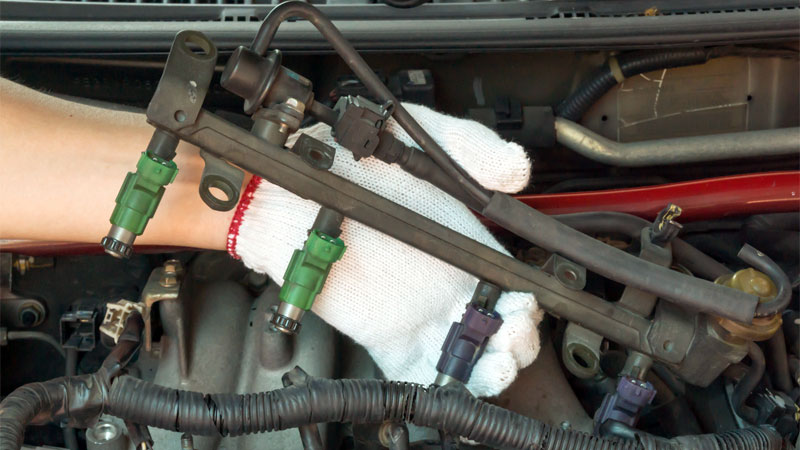
Fuel injectors play a pivotal role in the performance and efficiency of modern internal combustion engines, delivering precise amounts of fuel to the combustion chamber for optimum combustion. Despite their importance, these components can often fall prey to the dark side of fuel additives, dirt, and carbon build-up, leading to diminished engine performance and an increase in harmful emissions. Understanding how to properly clean fuel injectors, therefore, not only enhances your vehicle’s functionality but deepens your appreciation for automotive engineering as a whole. Here’s a comprehensive guide on how to clean your fuel injectors effectively.
1. Symptoms of Clogged Fuel Injectors
Before embarking on the cleaning process, it is vital to identify the potential symptoms of clogged fuel injectors. Recognizable indicators include rough idling, diminished fuel efficiency, engine misfires, and poor acceleration. Additionally, if your vehicle exhibits an unusual amount of exhaust smoke, it may be a telltale sign that your fuel injectors require cleaning. These symptoms may seem trivial, but they can detrimentally affect your driving experience.
2. Gather Necessary Tools
To embark on the cleaning journey, arm yourself with the following essential tools: a fuel injector cleaning kit, a hose adapter for your fuel rail, a solvent or specialized injector cleaner, and safety equipment like gloves and goggles. Depending on your engine’s configuration, you may also require additional tools such as wrenches and screwdrivers to access the fuel injectors.
3. Safety First
Safety should always reign supreme when handling automotive components. Start by disconnecting the negative battery terminal to mitigate the risk of electrical shocks. Additionally, work in a well-ventilated space, preferably away from open flames or sparks. Fuel injectors deal with flammable substances, so a cautious approach is paramount.
4. Access the Fuel Injectors
The location of your fuel injectors will depend on whether your engine is a four-cylinder, six-cylinder, or V8. Typically, they are positioned near the intake manifold or directly on the engine block. Carefully remove any components obstructing access to the injectors, which may involve loosening clamps or disconnecting air intake parts.
5. Disconnect Fuel Lines
Once the injectors are accessible, the next step involves disconnecting the fuel lines. Use a fuel line disconnect tool to relieve pressure safely. Be prepared for residual fuel spillage—having a rag or container on hand can save you from a messy situation. Wear your safety gloves throughout this process to protect your skin from fuel exposure.
6. Remove Fuel Injectors
With the fuel lines detached, proceed to remove the fuel injectors from their respective ports. This usually involves unclipping the electrical connectors and pulling the injectors out with a gentle wiggle. Keep a close eye on the o-rings; replacing them if they appear worn or damaged is wise. Worn o-rings can lead to fuel leaks, jeopardizing engine performance.
7. Cleaning Method Selection
At this juncture, you must decide on your cleaning method. You have two primary options: using a professional fuel injector cleaning service or opting for a do-it-yourself approach with a cleaning kit. Both methods have merits, but if you’re inclined to enjoy a hands-on experience, the DIY approach can be particularly satisfying.
8. Using a Fuel Injector Cleaning Kit
If you choose to clean the injectors yourself, employ a fuel injector cleaning kit. Follow the instructions provided with your kit. Typically, you will hook the kit up to the fuel rail, inserting the cleaning solvent into the fuel system. Start the engine, allowing the cleaning agent to flow through the injectors. This process may take several minutes and ensures all the internal components are thoroughly cleaned.
9. Testing and Reinstallation
After the cleaning cycle, reconnect all the components in reverse order. Once the fuel injectors are back in place, reconnect the fuel lines and electrical connectors securely. Reinstall any obstructing components, such as air intake parts, and reconnect the negative battery terminal. Before hitting the road, it’s wise to run the engine and check for leaks around the fuel injectors.
10. Preventative Measures
The importance of regular maintenance cannot be overstated. Employing fuel additives designed to clean your injectors periodically can reduce the frequency of full cleaning sessions. Furthermore, using high-quality fuel can significantly decrease the deposits that corrode injector performance over time. Staying vigilant about your fuel system will keep your engine running smoothly.
In conclusion, cleaning fuel injectors is a task that anyone can tackle with the right tools and a healthy dash of determination. This process not only reinstates the performance of your engine but also broadens your understanding of the intricacies of automotive function. A cleaner fuel delivery system fosters better performance, increased efficiency, and a deeper connection to the machinery that propels us forward. Regular maintenance checks and timely cleaning of fuel injectors can save time and money in the long run, ensuring your vehicle remains a reliable companion on the road.








Leave a Comment