Introduction
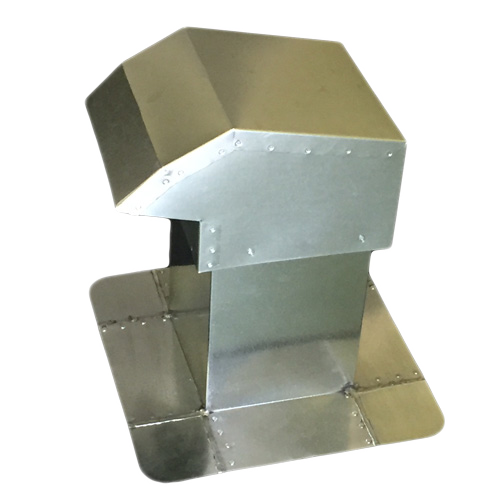
Managing moisture is a critical aspect of home maintenance, and flat roofs necessitate a specialized approach. One often overlooked yet essential component in this equation is the flat roof vertical dryer vent cover. This seemingly humble fixture plays a pivotal role in extracting exhaust from clothes dryers while preventing backdrafts, ice formation, and debris accumulation. As homeowners invest in quality ventilation systems for enhanced performance and energy efficiency, understanding the variety of dryer vent covers available becomes paramount.
1. The Importance of Dryer Ventilation
Before delving into the specifics of flat roof vertical dryer vent covers, it’s crucial to grasp why adequate dryer ventilation is indispensable. Clothes dryers expel hot, humid air laden with lint and moisture. When this air isn’t properly vented, it can lead to mold growth, structural damage, and increased energy costs. The right vent cover ensures efficient airflow, safeguarding your home and enhancing dryer efficiency.
2. Types of Flat Roof Vertical Dryer Vent Covers
Flat roof vertical dryer vents come in various configurations, each offering unique advantages. Understanding these variations helps homeowners make informed choices:
- Plastic Vent Covers
Lightweight and resistant to rust and corrosion, plastic vent covers are an economical choice. They are easy to install and come in various designs. However, while they serve well in temperate climates, extreme temperatures may affect their longevity.
- Metal Vent Covers
Offering durability and a robust resistance to the elements, metal vent covers are a preferred option for many homeowners. Available in materials like aluminum and galvanized steel, they endure harsh weather conditions, albeit typically at a higher cost than their plastic counterparts.
- Backdraft Dampers
A sophisticated component of vertical dryer vent covers, backdraft dampers prevent outside air from re-entering the vent. This feature is crucial in regions with severe winters, as it minimizes the risk of frozen vents and maintains warmer indoor air temperatures.
- Insect and Pest Screens
To prevent unwanted wildlife from accessing your dryer vent, some covers include integrated screens. These barriers are vital in protecting your home against birds, rodents, and insects that can infiltrate insulation and wall cavities.
- Low-Profile Vents
For aesthetic appeal, low-profile vents are designed to blend seamlessly with your roof’s surface. Their design minimizes wind resistance and enhances curb appeal while efficiently managing exhaust airflow.
3. Key Features to Consider
When selecting the ideal flat roof vertical dryer vent cover, several features warrant careful consideration:
- Ease of Installation
Some covers necessitate professional installation due to their complexity. However, others are designed for the average DIY enthusiast, complete with comprehensive instructions for seamless setup.
- Weather Resistance
Evaluate the weather resilience of the materials used. Opting for products resistant to rust, corrosion, and UV damage significantly enhances longevity and performance.
- Airflow Efficiency
At the heart of a functional dryer vent cover is its ability to facilitate unobstructed airflow. Options designed with aerodynamic features help promote efficient ventilation, crucial for reducing dryer run times.
- Accessibility for Cleaning
Keen attention to design can prevent lint build-up, accessible vent covers simplify cleaning and maintenance. Regular inspections and cleaning reduce fire hazards and contribute to the overall efficacy of your ventilation system.
4. Installation and Maintenance
The installation of a flat roof vertical dryer vent cover can be straightforward, but adherence to best practices ensures optimal operation:
- Proper Positioning
The vent cover must be installed correctly, ensuring it’s angled for rainwater drainage and free from obstructions. This positioning prevents moisture accumulation, a precursor to mold growth.
- Regular Inspections
Commendable maintenance includes frequent checks for lint build-up and any signs of damage or corrosion. Investing time in regular upkeep extends the lifespan of the vent cover and safeguards your home.
5. Environmental Considerations
Choosing a dryer vent cover made from sustainable materials can contribute positively to environmental conservation. Many manufacturers now offer eco-friendly options that do not compromise performance while being mindful of ecological impacts.
Conclusion
In conclusion, a flat roof vertical dryer vent cover is more than just an overhead accessory; it embodies an essential component of a well-functioning home ventilation system. With a variety of options available—ranging from material type to specialized features—homeowners are equipped to choose a dryer vent cover that suits their specific needs. Taking into account factors like weather resistance, airflow efficiency, and ease of maintenance can lead to significant benefits, ranging from energy savings to prolonging the life of your dryer. Investing in a quality dryer vent cover is an investment in your home’s health and efficiency, making it a wise choice for every homeowner.






Leave a Comment