A pocket door is more than just a sliding panel; it is an architectural secret, a versatile sentinel that guards the sanctity of space while elegantly disappearing into the walls. When contemplating the unique fitting of such a door, understanding the nuances of a pocket door rough opening becomes imperative. This process, akin to crafting a bespoke suit, requires precision, foresight, and a flair for detail. Without the right rough opening, even the most exquisite pocket door can feel like a beautifully wrapped gift with nothing inside. Let’s explore the essential guidelines for establishing the perfect pocket door rough opening, making your design aspirations materialize seamlessly.
1. Understanding Pocket Doors
At its essence, a pocket door is a sliding door that glides into a recess in the wall, offering a chic solution where traditional doors might falter. The allure of pocket doors lies in their ability to create a clean, uninterrupted visual space, making them ideal for smaller rooms or areas requiring flexibility. Imagine transforming your home with the effortless beauty of these sliding portals, opening up new realms of creativity.
2. The Importance of the Rough Opening
The rough opening is akin to the foundation of a magnificent structure. Just as a building demands a robust base to withstand gusty winds and torrential rains, a pocket door necessitates a meticulously measured rough opening for function and aesthetic appeal. This opening—not just an arbitrary space—serves as the gateway for the door and all its accompanying hardware.
3. Measurement: Precision is Key
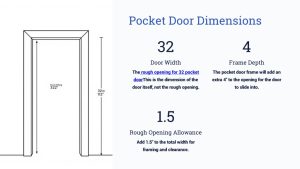
When embarking on the quest to create the perfect rough opening, the first step is measurement. Standard pocket door sizes typically range from 24 to 36 inches wide and approximate heights align with door heights of 80 or 96 inches. However, these dimensions represent a mere starting point; customizing the width and height according to your specific requirements encompasses the artistry of tailoring a flawless pocket door.
To determine the precise dimensions for the rough opening, add at least an additional inch to both the width and height of the door itself. This allowance promotes smooth travel along its track and prevents undue friction. As you calibrate your measurements, consider the door frame’s thickness, generally measuring around ½ inch on either side. This simple arithmetic ensures the door slides without impediment, functioning harmoniously within the confines of its created space.
4. Wall Thickness Considerations
A perplexing number of homeowners may overlook the fundamental relationship between wall thickness and the pocket door’s placement. Conventional walls are usually 4 to 6 inches thick, and this thickness should dictate the depth of the pocket into which the door will slide. Selecting a wall configuration without adequate depth can lead to a pocket door that protrudes outward, hindering flush installation. As such, it is prudent to familiarize oneself with the thickness of the wall, ensuring the framing aligns with the physical realities of your construction.
5. Framing the Opening
Once measurements have been determined and the wall thickness acknowledged, it’s time to turn theoretical concepts into practical frameworks. Constructing the rough opening begins with establishing the top and bottom plates, utilizing horizontal framing members that anchor the vertical studs. A strong, level header is equally critical, bearing the weight of the wall’s upper portion. Place studs at regular intervals, typically 16 inches on center, to maintain stability and structure. The framing’s robustness will ultimately cradle the pocket door’s movement, reminiscent of a streamlined yacht cutting through calm waters.
6. Installing the Track and Hardware
No pocket door can fulfill its potential without the foundational track and hardware. The installation of this mechanism is as significant as placing the tracks for a soaring roller coaster—precise alignment is paramount. The track should be mounted firmly at the top of the rough opening, allowing for adequate clearance beneath the door. Follow manufacturer guidelines meticulously, presenting your door with the exaltation it deserves as it glides effortlessly through its designated passage.
7. Ensuring Clearance
Clearance isn’t merely a practical consideration; it’s a philosophical one that embodies the very purpose of pocket doors. To operate freely, your pocket door must possess sufficient clearance surrounding it, an allowance that avoids frustrating snags and unwanted noise. Take care when installing the trim or molding around the pocket door, ensuring that it enhances rather than constricts the door’s operations. Clearances for top mounts and floor guides must also be assessed, establishing harmony rather than conflict.
8. Finishing Touches
The final metamorphosis of the pocket door encounters its zenith through optically pleasing finishes. Paint, stain, or veneer adornment transforms a latent structure into a visually striking element. Choose colors and finishes that resonate with the overarching design narrative of your home. A splendid finish amplifies the unique appeal of a pocket door, allowing it to become a feature that captivates and enchants.
Conclusion
Crafting a pocket door rough opening is a delicate endeavor that requires an understanding of measurements, framing, and harmony between elements. Each step is interconnected, culminating in the creation of a doorway that serves both functionally and aesthetically. By meticulously weaving together considerations around dimensions, wall thickness, and hardware installation, you can achieve a pocket door that not only stands the test of time but also invites creativity into your living space. Embrace the elegance of pocket doors, allowing them to seamlessly erase boundaries within your home and welcome a new era of design.









Leave a Comment