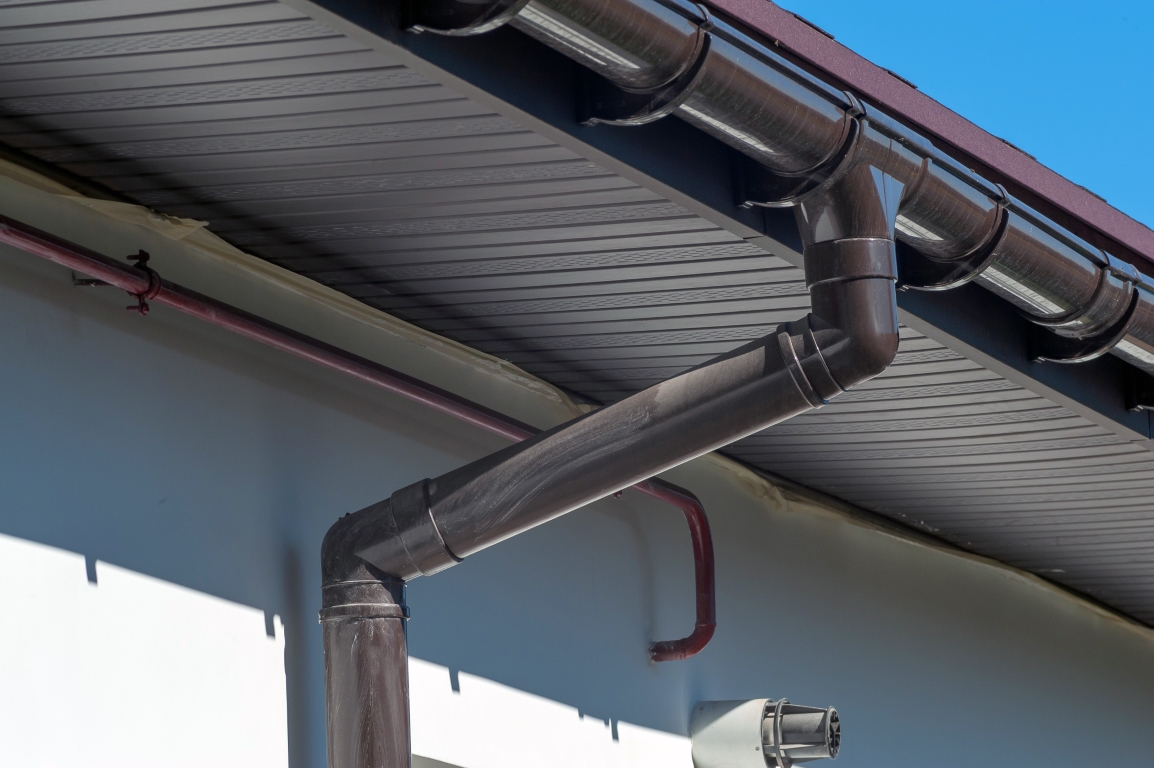
When considering the installation of gutters for metal roofs, homeowners must delve into various aspects that ensure both functionality and aesthetic harmony. Metal roofs offer longevity and resilience, but the correct guttering system is paramount to managing water flow efficiently. This article will provide a comprehensive exploration of the types of gutters suited for metal roofs, various materials, installation practices, maintenance tips, and common pitfalls to avoid.
Understanding the Importance of Gutters for Metal Roofs
Gutters play a crucial role in diverting rainwater away from the structure of a home. With metal roofs, which collect water more efficiently due to their smooth surfaces, the need for properly designed gutters is magnified. By effectively channeling water, gutters prevent erosion, foundation damage, and mold growth, thus enhancing the integrity and longevity of the property.
Types of Gutters for Metal Roofs
When selecting gutters for metal roofs, it’s essential to choose a style that complements their design. Here are some popular types of gutter systems:
- K-Style Gutters: These are characterized by their flat bottom and decorative front. Their design features an ogee shape, allowing for increased water capacity, making them a common choice for residential buildings. K-style gutters are available in varying sizes, typically ranging from 5 to 6 inches, accommodating heavy rainfall efficiently.
- Half-Round Gutters: These traditional gutters resemble a semi-circular tube, providing a classic and elegant appearance. They are particularly effective for drainage but may require more frequent clearing of debris. Half-round gutters are often paired with higher-end properties or historical homes where aesthetics matter significantly.
- Box Gutters: Box gutters are enclosed systems that sit flush against the roofline. These are ideal if there’s no fascia board, as they can be integrated directly into the roof structure. Given their design, they have a higher capacity for water and can handle heavy rainfolk without overflowing.
Materials Used for Gutters
The material of a gutter system dramatically influences its performance and lifespan. Here are some popular choices:
- Aluminum: This is the most prevalent material for gutters. Aluminum gutters are lightweight, resistant to rust, and available in various colors and styles. Their corrosion resistance is especially beneficial for the longevity of metal roofs.
- Copper: Renowned for its aesthetic appeal, copper gutters oxidize to develop a beautiful patina over time. They are exceptionally durable, enduring the elements gracefully, but can be more expensive than other materials, making them suitable for high-end applications.
- Steel: Galvanized steel gutters are robust and strong but can be susceptible to rust if not adequately maintained. Their strength is a plus, but they require regular painting and sealing to extend their life.
- Vinyl: While vinyl gutters are a budget-friendly option, they are less durable than metal alternatives. They can become brittle in extreme weather, making them a less common choice for metal roofs.
Installation Practices
Proper installation is critical in maximizing the efficiency of gutters. Here are important steps to consider during the installation process:
- Assessing Roof Pitch: The pitch of the metal roof can influence gutter size and placement. A steeper pitch may require larger or more numerous downspouts to accommodate the increased water flow.
- Correct Slope: A 1-inch slope for every 10 feet of gutter length is standard for optimal drainage. Improper slopes can lead to standing water, which can damage the gutters and the home.
- Downspout Placement: Strategic placement of downspouts is essential. They should be located at the corners or along the sides where water accumulates most to ensure efficient drainage away from the foundation.
Maintenance Tips
To prolong the life of gutters and maintain their performance, regular maintenance is essential. Consider these practices:
- Regular Cleaning: Debris like leaves and twigs can accumulate, causing blockages. Cleaning gutters at least twice a year can prevent overflow and water damage.
- Inspect for Damage: Periodically check for dents, rust, and loose fasteners. Any abnormalities should be addressed immediately to prevent further significant issues.
- Check Downspouts: Ensure that downspouts are clear and directed away from the foundation. Adjust the downspout extensions if necessary to ensure adequate drainage.
Common Pitfalls to Avoid
While installing gutters on metal roofs, several common mistakes can lead to inefficiencies:
- Neglecting Gutter Size: Using undersized gutters may cause overflow during heavy rainfall. Ensure that gutter size is appropriate for the expected water volume.
- Ignoring Local Weather Conditions: Different regions experience varied climates. Consider rain, snow, and ice accumulation when selecting gutter systems and materials.
- Ignoring Installation Guidelines: Skipping industry-standard installation practices can lead to improper drainage and potential damage. Always adhere to recommended practices.
In conclusion, selecting and maintaining the right gutters for a metal roof is essential for the longevity of both the roof and the home itself. Understanding the variety of types, materials, installation best practices, and maintenance tips equips homeowners with the necessary knowledge to make informed decisions. Proper implementation, complemented by diligent upkeep, ensures that your gutter system serves its purpose effectively, safeguarding your property against water damage.








Leave a Comment