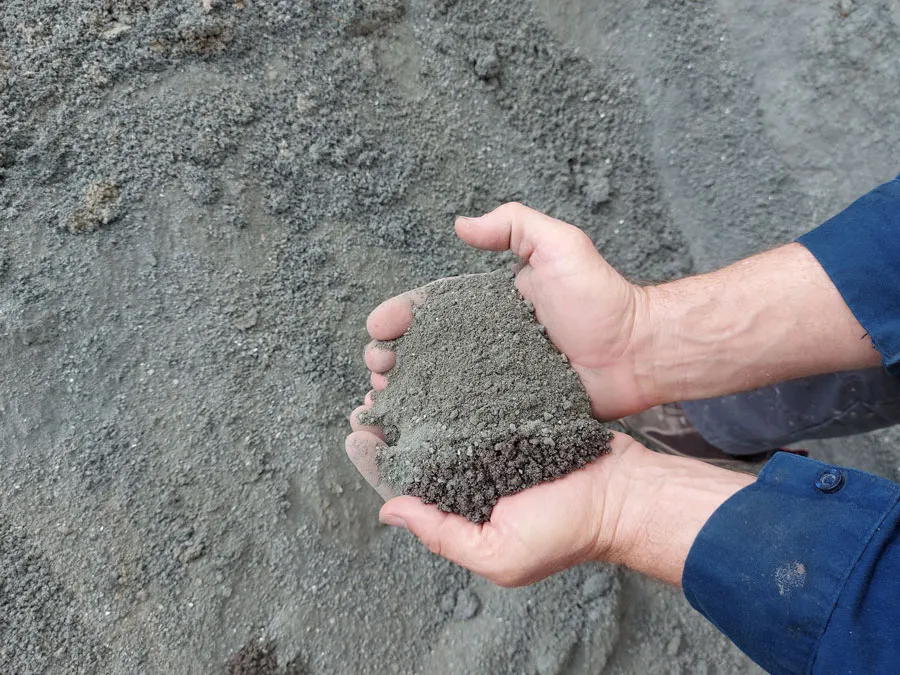
When navigating the intricate world of construction materials, one finds themselves frequently encountering aggregates, sand, and concrete powder. At first glance, these components appear to be straightforward building blocks, yet they harbor a depth of complexity that deserves thoughtful exploration. Aggregates, mixed with sand and concrete powder, hold the potential to shape not only the physical form of our structures but also the very foundation upon which robust infrastructure is built. An informed understanding of this amalgamation reveals a fascinating interplay of materials that underscores the evolution of construction practices.
The composition of concrete is a cornerstone in this discussion. What we often perceive as mere concrete is, in fact, a meticulously engineered synergy of ingredients. Aggregates, comprising roughly 60% to 75% of concrete’s volume, include a diverse range of materials such as gravel, crushed stone, and recycled aggregates. Each type of aggregate contributes unique properties to the final product, impacting durability, weight, and thermal performance. The critical observation that emerges is that aggregates are not homogeneous; they vary significantly in size, shape, and porosity, all of which influence the mechanical properties of the concrete.
Sand, a ubiquitous material in construction, plays a pivotal role as well. It fills the gaps between larger aggregate particles and acts as a binding agent when combined with cement and water, creating a mixture that solidifies to form concrete. The fineness and texture of the sand impact workability and the ultimate integrity of the concrete once hardened. The choice between fine and coarse sand can drastically alter the mixture’s properties, resulting in variations that cater to specific construction requirements.
Concrete powder, primarily composed of Portland cement, is another fundamental component interwoven into this narrative. The chemical reactions that occur when cement is mixed with water lead to the formation of calcium silicate hydrate, providing the binding power essential for concrete’s structural integrity. The introduction of supplementary cementitious materials, such as fly ash or slag, can further refine the mixture, enhancing performance and sustainability. This incorporation not only addresses environmental concerns by repurposing waste products but also influences the long-term durability of concrete.
In this fascinating interplay, the strength of the concrete mix is driven by the careful selection and proportioning of aggregates, sand, and concrete powder. The process known as grading allows for optimal particle distribution, ensuring that voids are minimized and the overall density is maximized. Various grading techniques, such as well-graded versus poorly graded aggregates, can drastically change the physical attributes of the concrete, demonstrating the nuanced art and science involved in its formulation.
Furthermore, the water-cement ratio is a critical determinant affecting the workability and strength of the concrete. A lower ratio yields a stronger, more durable mixture, while an overly high ratio can lead to excessive porosity and decreased strength. This delicate balance reflects a broader theme in construction materials: the synthesis of elements in a way that harnesses their innate properties to deliver superior performance.
A common observation in the field is the emphasis on sustainability and the exploration of eco-friendly alternatives in concrete production. The utilization of recycled aggregates presents a remarkable opportunity to mitigate waste and lower carbon footprints. In this context, industry practitioners are developing innovative strategies to incorporate reclaimed materials without compromising structural integrity. The marriage of aggregates derived from demolished structures with traditional concrete mixtures is not just an environmental remedy; it is an embodiment of forward-thinking in construction methodology.
Moreover, the fascination with aggregates, sand, and concrete powder extends beyond their functionality. It is continually evolving alongside advancements in technology and engineering practices. Innovations such as 3D printing and the development of high-performance concrete challenge conventional practices, prompting a reevaluation of traditional material reliance. The materials that once formed the backdrop of construction become the focal point of experimentation and discovery, inviting endless possibilities.
This interplay also invites deeper reflections on societal implications. As cities grow and infrastructure strains under increasing demand, the quest for stronger, lighter, and more sustainable building materials takes on heightened significance. The engineering challenges arise not just from the materials themselves but from the conditions under which they must perform. Climatic variations, seismic activity, and urban density necessitate an adaptive approach to material composition and application.
In conclusion, the intricate assemblage of aggregate, sand, and concrete powder is more than a banal construction exercise; it represents a confluence of engineering, innovation, and ecological mindfulness. The simple observation of these materials conjures broader implications about how humanity shapes its environments. As technology advances and sustainable practices become paramount, understanding the roles of these components will only deepen, paving the way for a new era of construction possibilities. The ongoing exploration of their characteristics ensures that each project not only stands the test of time but also embodies a commitment to excellence and responsibility.











Leave a Comment