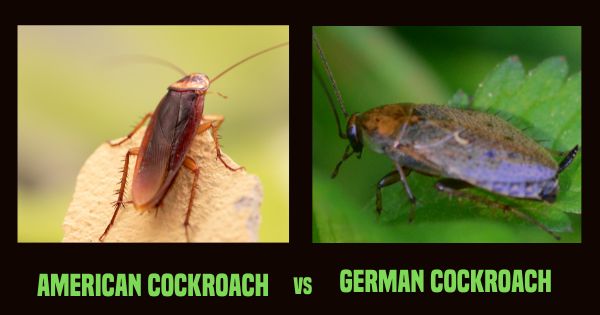
When it comes to household pests, two notorious contenders often take center stage: the American cockroach and the German cockroach. Both may elicit a shudder or a scream from unsuspecting homeowners, yet there are significant distinctions between these two species. The real bewilderment arises when you contemplate: what if your home is infested with one type or the other? Undoubtedly, each species poses unique challenges and requires tailored strategies for eradication. Let’s delve into the captivating world of these pests, exploring their differences, habits, and methods for control.
1. Identification and Appearance
The American cockroach, scientifically known as Periplaneta americana, is a large insect, measuring approximately 1.5 to 2 inches in length. Its reddish-brown body is adorned with distinctive yellowish figures near the head, which adds a touch of flair to its otherwise unsettling appearance. In contrast, the German cockroach, or Blattella germanica, is significantly smaller, reaching only about 0.5 to 0.75 inches long. Its light brown body features two parallel stripes running from the head to the wings, giving it a more subtle yet equally undesirable look.
2. Habitat Preferences
3. Behavior Patterns
Understanding the behavioral patterns of these cockroaches can illuminate potential infestations. The American cockroach is often solitary, though it may congregate in larger numbers in food-rich environments. They are also known for their swift movements, which can make them difficult to catch. On the other hand, German cockroaches are incredibly social creatures, often found in clusters. Their rapid reproduction rate—females can produce up to 40 eggs at a time—exacerbates the challenges associated with managing an infestation. Imagine discovering a thriving colony, hidden behind your kitchen appliances!
4. Diet and Feeding Habits
The dietary preferences of these two species also shed light on their behavior. American cockroaches are omnivorous scavengers, feasting on decaying organic matter, paper, and food scraps. Their adaptability in their food choices allows them to survive in a variety of environments. Conversely, the German cockroach is particularly attracted to starchy foods, sweets, and grease, making kitchens an ideal buffet. This preference may lead to contamination and health risks, stressing the importance of immediate action upon identification.
5. Health Risks and Contamination
Both species can pose health risks to humans. The American cockroach is known to carry disease-causing bacteria and pathogens, which can lead to food poisoning and other gastrointestinal issues. The German cockroach takes health risks a step further, as its droppings and shed exoskeletons can trigger allergies and asthma, particularly in sensitive individuals. The thought of these pests contaminating your living space raises an urgent question: how can one effectively safeguard against these unwelcome intruders?
6. Detection and Monitoring
Detecting a cockroach infestation early on is pivotal in curbing its progression. Signs of an American cockroach presence may include droppings, egg cases, and a musty odor emanating from their hiding spots. For German cockroaches, look for droppings that resemble black pepper and their characteristic egg cases, known as oothecae. Utilizing sticky traps can provide both monitoring capabilities and insights into the infestation level.
7. Control and Prevention Techniques
While the mere thought of cockroaches instills dread, there are effective control measures. For the American cockroach, eliminating food sources and sealing entry points is essential. Consider treating areas with insecticides that specifically target this species. For the German cockroach, tackling an infestation requires a multi-faceted approach due to their rapid reproduction. Regular cleaning, proper food storage, and the use of baits and traps can significantly aid in controlling their population. Persistent infestations may necessitate professional pest control interventions.
8. Long-term Solutions and Myths
Long-term prevention is grounded in maintaining cleanliness and vigilance. Myths abound regarding cockroach extermination; for instance, asserting that leaving out food will deter cockroaches is misleading. Instead, minimization of available resources is crucial. Additionally, sealing cracks and crevices where they could enter your home can present a formidable barrier against these pests.
Conclusion
The American and German cockroaches, though both unwelcome guests, offer a fascinating study in contrasts. Their differences in appearance, behavior, diet, and the ways in which they can disrupt our homes serve as a reminder of the challenges posed by household pests. Whether it’s the solitary scavenger hiding in dark corners or the social invader making the kitchen its breeding ground, each cockroach provides a unique challenge. As you contemplate the tales of these troublesome insects, consider the actions you can take to deter their presence. Are you prepared to fortify your home against these resilient foes?









Leave a Comment