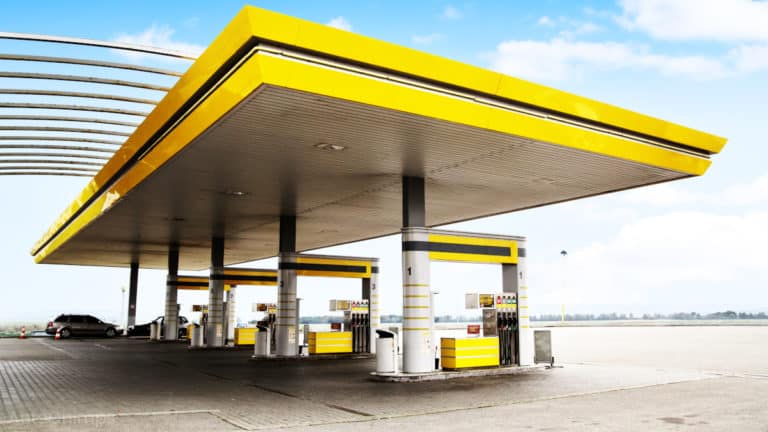
Can You Mix Premium and Regular Gas? This question might pop into your mind while filling up your tank: Can I blend premium and regular gas? With myriad gas options available at the pump, choosing the right fuel for your vehicle can feel like navigating a complex maze. On one hand, it seems convenient to mix them; on the other, it poses a question worthy of deeper contemplation. Let’s delve into the intricacies of gasoline types and explore whether this blend poses challenges or guarantees better performance.
Understanding Gasoline Grades
First, one must grasp the fundamental difference between premium and regular gasoline. The primary distinction lies in the octane rating: regular gasoline typically has an octane rating of 87, while premium gasoline boasts a higher octane rating, often around 91 or 93. This seemingly innocuous difference can significantly impact engine performance, fuel efficiency, and even emissions. But what does that mean for your vehicle?
Higher octane fuel is engineered to resist knocking—an unwanted engine phenomenon where fuel detonates prematurely. This makes premium gas a preferred choice for high-performance vehicles with sophisticated engines designed to operate under higher compression ratios.
The Compatibility Conundrum
Now, let’s pose the playful question: will mixing premiums and regular gasoline create the ultimate concoction for your car? In essence, you can mix the two, and your vehicle won’t spontaneously combust. However, the compatibility of these fuels introduces a smorgasbord of outcomes that deserve consideration.
Pros of Mixing Fuels
- Cost-Effectiveness: In a pinch, using regular gas can save you bucks! This strategy could be a budget-savvy alternative when premium prices climb to dizzying heights.
- Convenience: If you find yourself stranded without a proper selection, blending fuels might provide a temporary fix, allowing you to get back on the road with minimal hassle.
Cons of Mixing Fuels
- Performance Degradation: While your engine may continue to run, the performance won’t be optimally fine-tuned. Cars designed for high-octane fuel may experience reduced power and efficiency if regularly filled with lower octane gas.
- Engine Knocking: Mixing fuels does not guarantee that they will operate harmoniously. In some cases, consistent mixing could lead to an increased risk of engine knocking, particularly in high-performance vehicles.
Identifying Your Vehicle’s Needs
It is essential to understand what your specific vehicle demands. Consult the owner’s manual for fuel recommendations and adhere strictly to those specifications. Vehicles with turbocharged engines, for instance, typically require premium fuels due to their design, which emphasizes higher compression ratios. On the contrary, standard sedans may run smoothly on regular gas without concerns of detrimental effects.
Short-Term vs. Long-Term Impact
Mixing fuels may be feasible in the short term, but long-term effects might prove more problematic. Regularly using lower-grade gasoline in a car meant for high octane could lead to carbon buildup over time, diminishing engine life and performance. Conversely, if you’re filling up with premium in a car designed for regular gas, the extra cost may not yield significant returns.
Fuel Additives: An Option Worth Considering
If you’re grappling with the decision to blend fuels, consider utilizing fuel additives. These products are designed to enhance regular gasoline, potentially offering a bridge between performance and cost-effectiveness. They can improve the octane level temporarily, helping reduce knocking while also cleaning fuel systems. Always follow the manufacturer’s instructions when using these products, as improper use can lead to adverse effects on your engine.
When in Doubt, Stick to One
While the allure of mixing fuels may tempt the adventurous motorist, the safest course is generally to adhere to either premium or regular gasoline based on your vehicle’s specifications. Mixing can introduce variables that may not align with your engine’s designed performance, leading to unforeseen complications down the line.
Conclusion
In the grand scheme of gasoline choices, the question remains: can you mix premium and regular gas? Technically, yes. However, the potential challenges and consequences urge caution. Understanding your vehicle’s requirements, coupled with informed choices, leads to the most satisfactory driving experience. There may be times when a mix seems like a viable solution, but to ensure your ride runs smoothly and efficiently, it’s wise to stick with the recommended fuel type. After all, a well-fed engine is a happy engine! So, next time you pull into a gas station, contemplate the blend thoughtfully—your car deserves it.








Leave a Comment