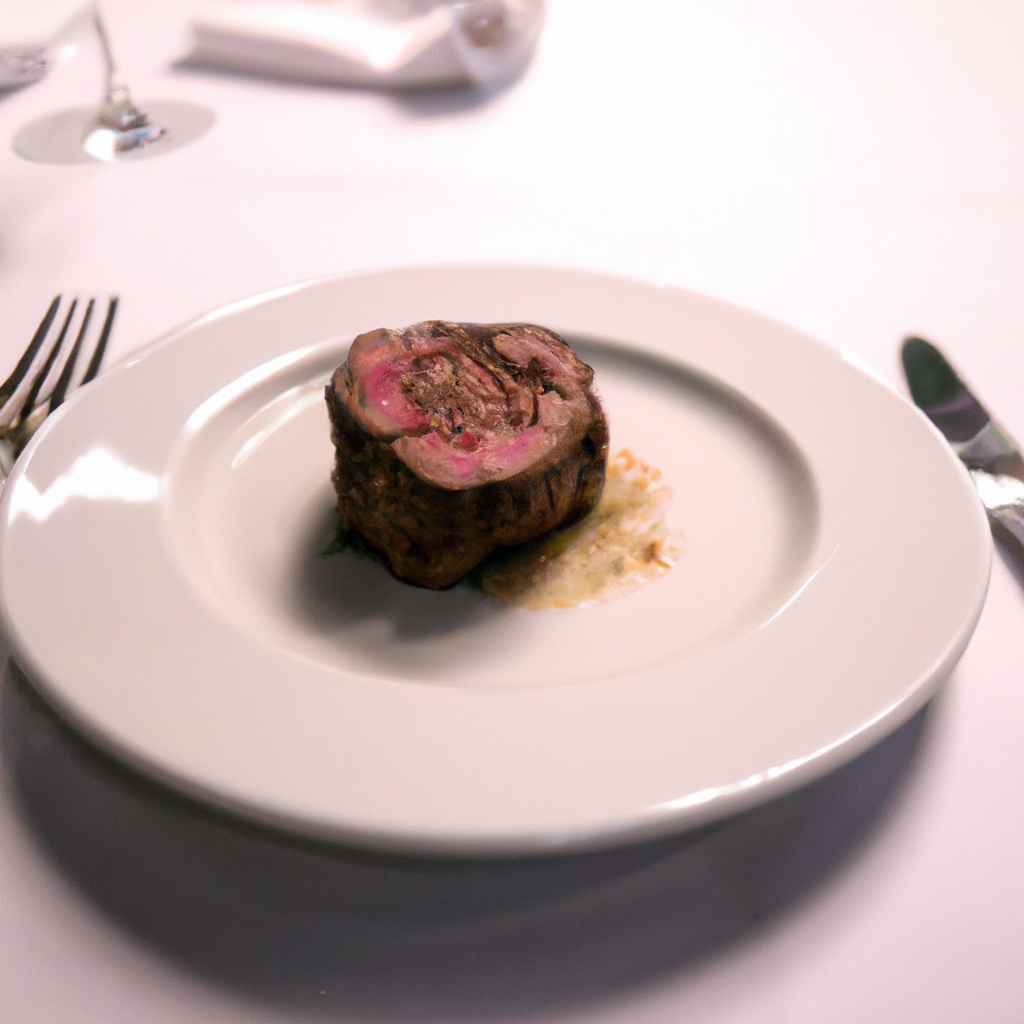
When the evening sun dips below the horizon, casting its golden hues across the kitchen, the scent of something savory brewing in a Dutch oven can transform an ordinary weekday into a sublime experience. The captivating allure of a braised mock tenderloin crafted within this cast-iron marvel beckons to those who seek comfort and culinary delight. This dish doesn’t merely feed the body; it nurtures the soul, reminiscent of the warm embrace felt when reuniting with an old friend.
In this comprehensive guide, we will traverse the culinary landscape of braised mock tenderloin, unveiling the intricate steps and flavors that define this rustic dish, while illustrating why the Dutch oven is its perfect accomplice.
Understanding Mock Tenderloin
Mock tenderloin, also known as the chuck eye roll or chuck tender, is a cut that may not possess the renowned status of its more illustrious counterparts, like filet mignon, but it boasts incredible versatility. When treated with the right techniques, this relatively humble cut can transform into a succulent centerpiece, with a rich flavor profile that sings of farm-to-table simplicity. Its fibrous nature requires tender coaxing—season and braise it patiently, and it rewards you with tenderness and flavor.
Why a Dutch Oven?
The Dutch oven, a culinary heavyweight, is akin to a magician in the kitchen. Its thick walls and heavy lid trap moisture and heat, ensuring that every morsel within basks in warmth, soaking in the symphony of flavors. An elegantly designed, enameled Dutch oven not only adeptly dispenses heat but also presents an aesthetically pleasing vessel, worthy of a dining table showcase. This magical pot transforms ingredients into expertly braised culinary masterpieces, simplifying the alchemy of cooking.
Essential Ingredients
Creating a dish that dances upon the palate requires the right elements. Here is a curated list of ingredients to conjure the perfect braised mock tenderloin:
- Mock Tenderloin: Approximately 2 to 3 pounds of mock tenderloin, trimmed of excess fat, serves as the star of our production.
- Seasonings: Kosher salt and freshly cracked black pepper create the foundational flavor.
- Aromatics: A couple of medium onions (diced), three cloves of garlic (minced), and two stalks of celery (finely chopped) build a fragrant base.
- Vegetables: Carrots, cut into chunks, provide a sweet contrast. Consider adding mushrooms for an earthy richness.
- Liquids: A robust red wine—think Cabernet Sauvignon or Merlot—envelops the meat with depth, matched by beef broth which adds a touch of umami.
- Herbs: Fresh thyme, rosemary sprigs, and a bay leaf contribute subtle notes of woodland freshness.
Preparation Steps
Now that we have our ensemble cast, the time has come to orchestrate our culinary masterpiece. Follow these steps faithfully, allowing the flavors to harmonize and bloom:
- Season the Meat: Generously sprinkle salt and pepper over the mock tenderloin, creating a flavor foundation that will penetrate throughout the cooking process.
- Searing: Heat a tablespoon of olive oil in your Dutch oven over medium-high heat. Once shimmering, place the mock tenderloin in, allowing it to sear on all sides until a golden crust forms. This caramelization is not merely aesthetic; it generates layers of flavor. Remove the meat and set it aside.
- Aromatics in Motion: In the same pot, reduce the heat and introduce the diced onions, celery, and garlic. Sauté until they soften, their aromas rising like a sweet symphony, before adding carrots and mushrooms. Allow them to mingle for about five minutes, soaking in the remaining drippings from the searing.
- Pour the Wine: Deglaze the pot with the red wine, scraping the bottom to lift any flavorful morsels that clung to the surface. Let it simmer for approximately five minutes, reducing the liquid by one-third.
- Combine Elements: Return the mock tenderloin to the pot and add the beef broth. Toss in thyme, rosemary, and bay leaf, stirring gently to harmonize the flavors within.
- Braise: Cover the Dutch oven with its lid, lowering the heat to a gentle simmer. Alternatively, for a long embrace, transfer it to a preheated oven set at 325°F (162°C). Allow the mock tenderloin to braise for about two to three hours, until fork-tender and saturated with flavor.
Serving the Dish
The alluring aroma of braised mock tenderloin beckons as you lift the lid, revealing a dish reminiscent of savory rain in a bountiful spring. Serve the tender slices artfully arranged on a platter, garnished with fresh herbs, alongside buttery mashed potatoes or rustic bread to soak up the glorious sauce.
Conclusion
As the clock winds down and the stars wink above, sharing a plate of braised mock tenderloin prepared in a Dutch oven offers more than sustenance; it provides a portal to moments rich with warmth and companionship. The dance of flavors and the enticing aroma transcends the meal itself, drawing family and friends closer. In this busy world, allowing a simple cut like mock tenderloin to shine through patience in preparation transforms it into a culinary hug that promises not just a meal, but a cherished memory shared among loved ones.











Leave a Comment