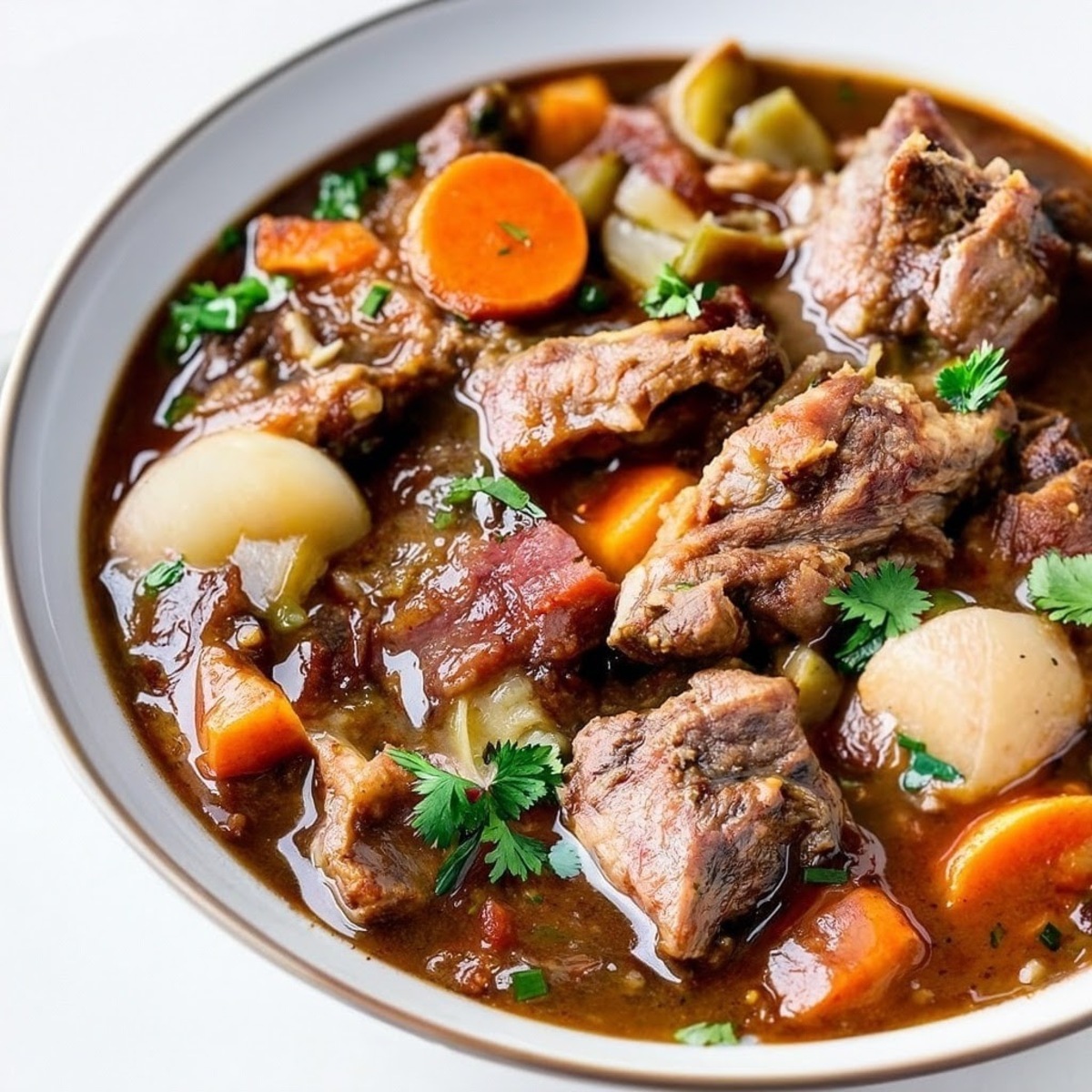
What Is Pork Hock?
Pork hock, a culinary delight that many food enthusiasts cherish, is derived from the lower portion of a pig’s leg. This meat cut is characterized by its succulent flavors and firm texture, which become incredibly tender when prepared correctly. It is known by various names in different regions, such as ham hock or pig’s trotter, and serves as a foundational ingredient in numerous traditional dishes worldwide. To fully appreciate this unique cut of meat, it is essential to delve into its characteristics, different types, preparation methods, and culinary uses.
Understanding Pork Hock
Pork hock typically refers to the joint that connects the pig’s foot to its leg. It comprises both meat and bone, providing a rich source of gelatin and flavor. This cut is often considered less desirable than others, leading to its affordability; however, when cooked appropriately, it transforms into an extraordinarily satisfying dish. Known for its robust taste and depth, pork hock can be utilized in countless recipes, from comforting stews to savory braises.
Types of Pork Hock
While the term “pork hock” encompasses various methods of preparation, the two prominent categories include:
- Front Hock: This cut comes from the front leg of the pig. It is smaller and generally has a slightly more delicate flavor. Its meat is well-suited for dishes that require shorter cooking times, such as braising or simmering in soups.
- Hind Hock: The hind hock is larger and meatier, making it an exceptional choice for long-cooked dishes. This cut is often favored for its richer flavor, perfect for hearty preparations such as roasting or slow-cooking, allowing the collagen to break down and enrich the dish.
Preparation and Cooking Techniques
Cooking pork hock may seem daunting at first glance, but several methods can yield delectable results. Each technique mellows the meat’s distinct flavor while highlighting its natural qualities.
- Boiling: This is one of the simplest methods for cooking pork hock. Begin by submerging the hock in a pot of water or aromatic broth. Bring to a boil and then reduce to a simmer. The extended cooking time helps to render the fat and tenderize the meat while imparting a robust flavor to the broth.
- Braised: Braising is a time-honored technique that involves browning the hock in a skillet before transferring it to a slow cooker or Dutch oven. Adding liquids such as stock, wine, and an assortment of vegetables enriches the dish further. Covering and cooking at a low temperature allows the flavors to meld while ensuring the meat becomes fork-tender.
- Roasting: For an appealing crust and deep flavors, roasting is an excellent method for preparing pork hock, particularly hind hocks. Season the hock liberally with herbs and spices, then cook it uncovered in the oven. This technique not only accentuates the meat’s natural richness but also allows the skin to crisp beautifully.
- Grilling: Although less common, grilling pork hock brings a smoky element to the dish. Pre-cooking through boiling or braising before grilling ensures tenderness and juiciness, while also allowing for an equally delightful charred exterior.
Culinary Uses of Pork Hock
Pork hock is incredibly versatile, and its utilization in different cuisines speaks volumes about its adaptability. Here are a few exemplary culinary uses:
- Soups and Stews: Pork hock is commonly featured in various soups and stews, lending it a depth of flavor. Dishes such as split pea soup or Korean kimchi jjigae benefit significantly from the addition of hock, enriching each bowl with sumptuous taste and texture.
- Pate and Terrine: The rich, gelatinous qualities of pork hock can be transformed into indulgent terrines or pâtés. When braised and blended with complementary seasonings, it creates an elegant spread for bread or crackers.
- Regional Delicacies: Various cultures have celebrated pork hock in distinctive ways. In German cuisine, for instance, pork knuckle is often roasted and served with sauerkraut and potatoes, reflecting a hearty tradition. In the southern United States, hocks are frequently used to flavor dishes like collard greens, offering a burst of savory goodness.
- Charcuterie Boards: Pork hock can be elegantly presented on a charcuterie board. Its distinctive flavor profile and appealing aesthetic make it an excellent accompaniment to cheeses, pickles, and artisan breads.
The Conclusion
Pork hock embodies a world of culinary possibilities. From its rich flavor to its remarkable adaptability in various dishes, it stands as a testament to the beauty of traditional cooking. Whether you’re exploring the delicate intricacies of regional recipes or experimenting with new techniques in the kitchen, this often-overlooked cut of meat can elevate your meal from mundane to extraordinary. Embrace the charm of pork hock, and allow it to inspire your culinary creations.











Leave a Comment