Household centipedes, with their long segmented bodies and multiple legs, can elicit a visceral reaction of fear and disgust. While these creatures may provoke uneasy feelings, understanding their presence and addressing the issue methodically can shift your perspective. What if, instead of mere aversion, you viewed them as part of an ecological system, only needing a little management to coexist peacefully in your home? This article provides a comprehensive guide on how to rid your living spaces of these unwanted guests, along with tips for long-term prevention.
Understanding the Centipede: A Dual Perspective
Before embarking on eradication tactics, it’s crucial to comprehend the biology and behavior of centipedes. Designed as natural predators, they feed on insects like cockroaches, spiders, and termites. Their presence indicates an abundance of these pests, which can provoke curiosity about their ecological role. However, homeowners typically view them as intruders, disturbing the tranquility of domestic life. A strategic approach requires acknowledging their place in the environment while also taking necessary actions to retain control of your household.
Initial Assessment: Investigating Infestations
The first step in managing centipedes involves thorough inspection. Look for common hiding spots: damp and dark areas such as basements, bathrooms, and under sinks. With their nocturnal tendencies, centipedes often evade detection during daylight hours. A flashlight can be your best ally as you navigate corners and crevices. Pay attention to the evidence of centipede droppings and shed exoskeletons, which signal their presence. Identifying the extent of the infestation will guide your next steps.
Eliminating Breeding Grounds: Environmental Adjustments
Once you’ve identified areas of concern, it’s time to modify the environment to discourage centipede habitation. Below are several strategies:
- Reduce Moisture: Centipedes thrive in humid conditions. Repair any leaks and utilize dehumidifiers. Increasing airflow in damp spaces is essential.
- Declutter: Remove piles of leaves, wood, or other debris both outside and inside your home. This will eliminate potential hiding places for centipedes as well as their food sources.
- Seal Entrances: Inspect windows, doors, and foundation cracks. Ensure all gaps are sealed with caulk or weather stripping to prevent entry.
Organic Solutions: Natural Deterrents
For those inclined towards eco-friendly approaches, various natural deterrents can help repel centipedes without the use of harsh chemicals:
- Citrus Scents: Centipedes are known to dislike citrus. Spraying a mixture of water and lemon juice in potential hiding spots may discourage them.
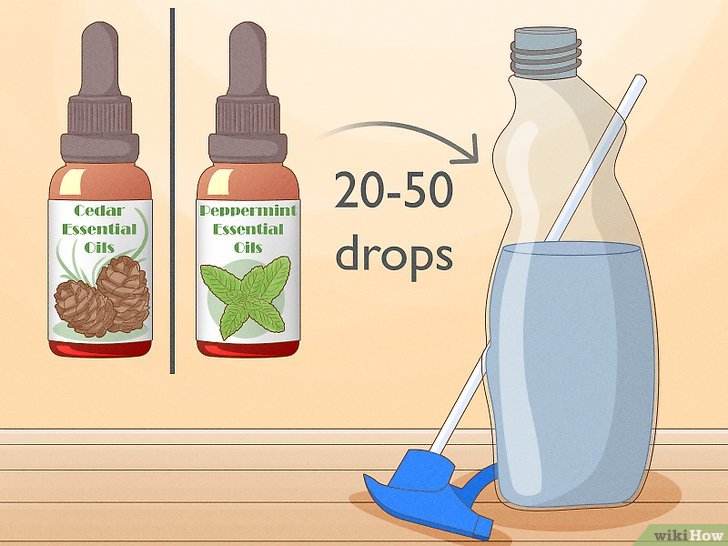
- Essential Oils: Oils such as peppermint or tea tree have strong scents that can repel centipedes. Mix a few drops with water and spray in areas where they are found.
- Diatomaceous Earth: This natural powder can be sprinkled in corners and along entry points. It dehydrates and effectively kills centipedes upon contact.
Chemical Solutions: Targeted Applications
If the infestation is substantial, chemical solutions may be appropriate. Where organic methods have failed, consider the following:
- Insecticide Sprays: Select targeted insecticides that specifically mention centipedes. Always read labels carefully for proper application methods and safety precautions.
- Baits and Traps: Utilize baits designed to attract and eliminate centipedes. Sticky traps strategically placed can help monitor and reduce their presence.
Professional Intervention: When to Call an Exterminator
In certain circumstances, enlisting professional pest control services becomes imperative. A trained exterminator can assess and treat the situation more thoroughly, particularly when homes experience ongoing infestations despite homeowner efforts. Professionals carry stronger insecticides and have expertise in identifying nests that may not be visible. Consider this option if you find yourself overwhelmed or if health concerns arise from your centipede infestation.
Post-Intervention Care: Maintaining a Centipede-Free Home
After addressing the immediate issue, implementing preventative measures is essential to ensure long-term success. Regularly monitor moisture levels, maintain cleanliness, and continue to seal entry points. Adjust garden and landscape practices by trimming back trees and bushes to lessen proximity to your home. Surveillance is critical; be vigilant for any signs of returning pests.
Conclusion: Embracing a Balanced Coexistence











Leave a Comment