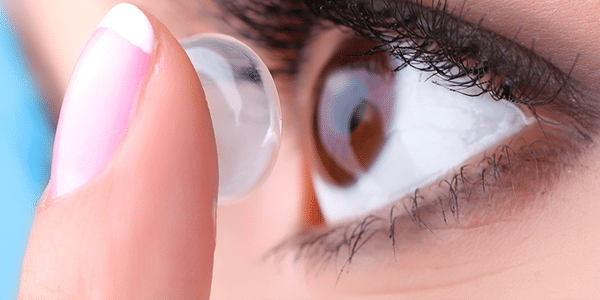
Imagine emerging from a hazy fog into a world where clarity reigns supreme. This is the transformative experience many individuals undergo after undergoing LASIK surgery—a procedure that reshapes the cornea and liberates them from the confines of glasses and contact lenses. However, this newfound freedom often prompts an intriguing question: Can you wear contacts after LASIK? The answer is not merely a yes or no; it embodies a journey through healing, adaptation, and individualized care.
To navigate this labyrinth with precision, it is essential first to understand the nature of LASIK and its implications on the eye’s anatomy. LASIK, which stands for Laser-Assisted In Situ Keratomileusis, employs advanced technology to flatten or steepen the cornea, correcting refractive errors such as myopia, hyperopia, and astigmatism. This surgical masterpiece reconfigures the eye, enhancing its optical prowess and, for many, signifying a rebirth in visual perception.
However, even with such surgical prowess, the cornea requires time to heal and stabilize post-operation. Envision a freshly painted canvas—while it may look marvelous at first glance, it needs time to dry before further layers of color can be applied. Similarly, after LASIK, the corneal surface might be susceptible to irritation or distortion that could cause discomfort when inserting contact lenses too soon.
So, when can one delicately return to the world of contact lenses? Generally, the consensus leans towards waiting a minimum of two to three weeks after surgery. This timeframe allows the cornea to settle and reach a more stable refractive state, dramatically reducing the likelihood of discomfort and ensuring an optimal fit for the contact lenses. Always remember this is merely guidance—individual recovery timelines can vary significantly.
Patients must also factor in their eyes’ unique characteristics and any pre-existing conditions that may influence the healing process. Those with a history of dry eye syndrome, for instance, may need to extend their hiatus from contact lenses for longer than the standard timeframe. Much like shepherding a delicate flower, one must nurture the eye with patience and care, prioritizing the urgency of proper healing over indulgences.
Transitioning back to contacts involves a few essential considerations. Firstly, choosing the right type of contact lens is paramount. The cornea, having undergone surgery, may exhibit altered sensitivity, making certain lens materials preferable compared to others. Opt for lenses that promote breathability and moisture retention, and consult with an eye care professional about specialized lenses designed for post-operative patients.
It’s also crucial to attend the follow-up appointments recommended by the ophthalmologist. These sessions serve as crucial checkpoints, evaluating the eye’s healing and the cornea’s readiness to accept contact lenses. Think of these appointments as annual maintenance for a prized vehicle; they ensure everything is functioning optimally before venturing out on the open road of daily life.
Once cleared to wear contacts, a gradual reintegration is advisable. Start by wearing the lenses for shorter periods before progressively extending wear time. This cautious approach allows the eyes to acclimatize without being overwhelmed. Each blink should feel effortless, like a leaf rustling in a gentle breeze.
However, not all is smooth sailing after returning to contact lenses. Potential complications can arise, such as dryness or discomfort. The eyes might signal their discontent, feeling irritated or fatigued. A nimble adjustment to your vision care routine can alleviate these issues. Incorporate lubricating eye drops designed for contact lens wearers to maintain comfort and moisture.
Likewise, safe lens hygiene must remain paramount. Proper cleaning, storage, and timely replacement of lenses are crucial practices that preserve ocular health. Much like protecting the serenity of a tranquil lake, one must safeguard their eyes from contaminants and irritation.
For some, even after wearing contacts post-LASIK, the prospect of using corrective lenses again may seem an extraordinary inconvenience. In such cases, refractive enhancements or even additional procedures could be options worth exploring. Visual acuity is akin to a fine symphony, and it may take tuning to perfect each instrument until that harmonious blend is achieved.
In conclusion, while the question of wearing contacts after LASIK invites a plethora of considerations, the journey ultimately pivots on personal experiences and ocular needs. Emerging from the initial recovery period opens a door to a multitude of visual possibilities, while also requiring a conscientious approach towards comfort and health. Therefore, communicate openly with your eye care professionals, stay attuned to your body’s signals, and approach this transition as an opportunity to rediscover the remarkable world that awaits just beyond your field of vision. The horizon of clarity is within reach, ready to envelop you in its brilliance once more.









Leave a Comment