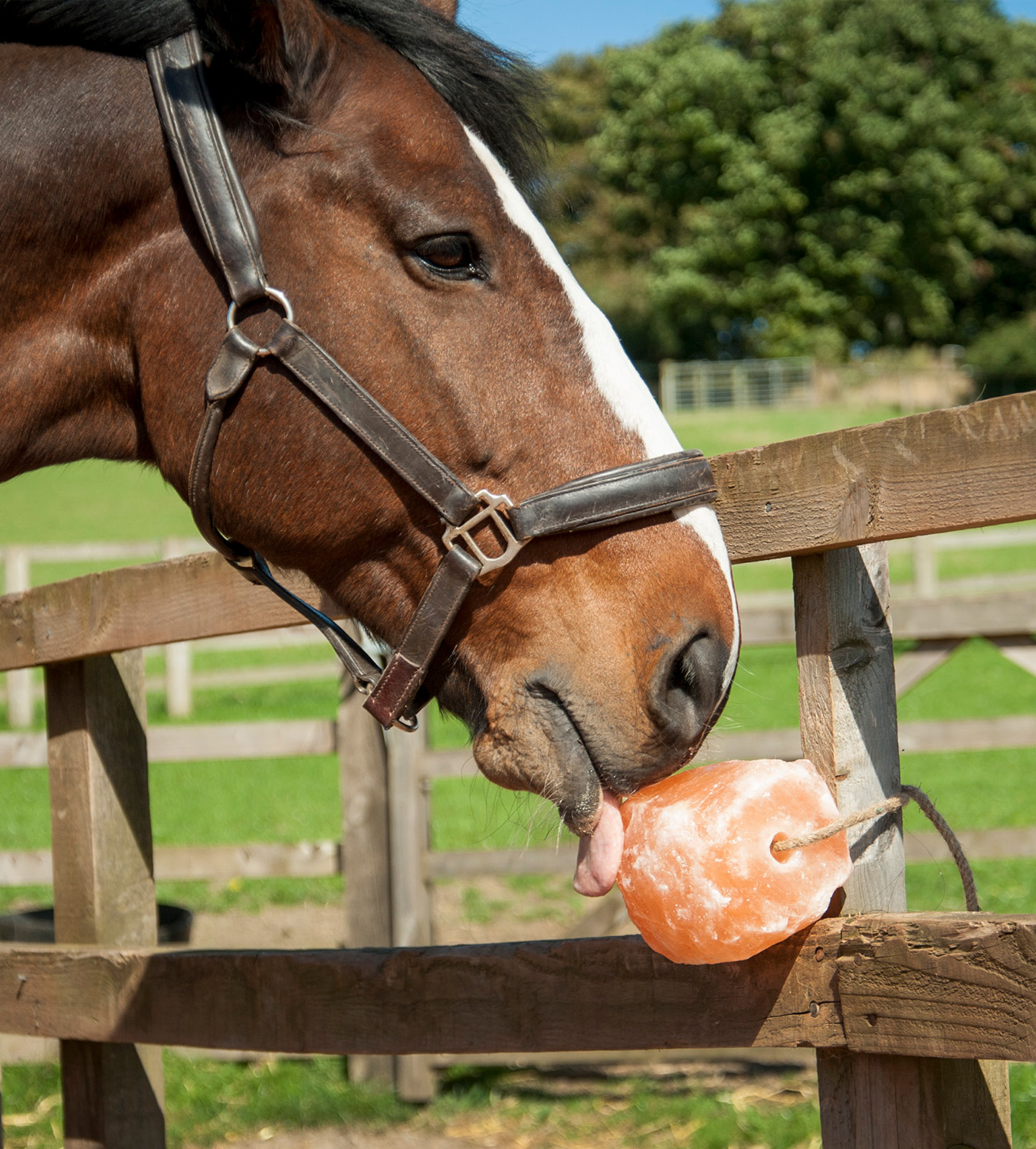
When it comes to the well-being of horses, an often-overlooked aspect is their dietary needs, particularly the importance of salt. Salt licks have emerged as a vital supplement for these magnificent creatures, serving as a source of essential minerals and fulfilling various physiological requirements. Understanding the intricacies of horses and salt licks can profoundly affect their health, behavior, and overall performance. Let’s delve into the myriad aspects of salt licks, exploring the types available, their benefits, and effective ways to incorporate them into a horse’s diet.
The Importance of Salt in a Horse’s Diet
Salt is an essential nutrient that plays a critical role in a horse’s overall health. It aids in the regulation of numerous bodily functions, including hydration, muscle contraction, and nerve impulses. Horses, especially those that are active or work in warmer climates, have an increased need for salt due to excessive sweating. Deprivation of this vital mineral can lead to debilitating health issues, such as hyponatremia, which manifests in muscle cramping, lack of energy, and even more severe complications if left unaddressed.
Types of Salt Licks
Salt licks are available in various forms, each designed to meet the unique needs of equines. Understanding the differences between these will allow owners to select the most appropriate option for their horses.
- Plain Salt Licks: These are typically made of sodium chloride and serve as an uncomplicated source of essential sodium. They are straightforward yet effective, allowing horses to consume salt as needed.
- Mineral Salt Licks: Enriched with additional minerals such as calcium, phosphorus, and magnesium, these licks provide a more comprehensive nutritional profile. This can be particularly beneficial for horses that require elevated mineral intake.
- Electrolyte Salt Licks: Tailored for high-performing or sweating horses, these licks contain a blend of electrolytes. They help replenish lost minerals due to perspiration and maintain optimal hydration levels.
- Herbal Salt Licks: Infused with beneficial herbs designed to bolster overall health, these licks not only provide salt but also offer the added advantage of herbal remedies that may promote digestive health or immune function.
- Flavored Salt Licks: Horses can be particular about their preferences. Flavored options, such as apple or peppermint, can entice even the most finicky eaters, ensuring they consume adequate salt levels.
Choosing the Right Salt Lick
Selecting the appropriate salt lick hinges on several factors, including the horse’s age, activity level, and specific health considerations. Active horses might benefit more from electrolyte or mineral-enhanced options, while a leisurely companion may do well with a simple plain salt lick. Consulting a veterinarian can elucidate the particular needs of each horse, ensuring a tailored approach to supplementation.
Location and Placement
Merely providing a salt lick is not sufficient; the placement of these essential items can significantly impact their efficacy. Consider the following guidelines for optimal positioning:
- Accessibility: Ensure that the salt lick is easily reachable. Horses should have convenient access without the risk of injury or discomfort while attempting to consume it.
- Hygiene: Regularly check the lick for accumulation of dirt or mold. A clean environment ensures that horses do not ingest harmful substances.
- Designated Areas: It can be beneficial to create specific spots in a pasture or stall for salt licks. This not only promotes regular consumption but also allows owners to monitor how much each horse is eating.
Daily Maintenance and Monitoring
Maintaining an appropriate amount of salt lick is vital for the health of horses. Here are some tips for daily care and monitoring:
- Regular Refills: Keep an eye on the salt lick’s depletion. Horses may consume one lick faster than another, depending on their individual needs.
- Hydration Check: Always ensure that fresh water is available. Salt intake increases the need for hydration, which is critical to prevent dehydration.
- Behavioral Observation: Take note of how often and how much your horse consumes from the lick. Changes in behavior or consumption patterns can be early indicators of health issues.
Signs of Salt Deficiency
Being vigilant about changes in your horse’s behavior and physicality can uncover potential salt deficiencies. Symptoms may include:
- Lethargy or decreased energy levels
- Muscle rigidity or spasms
- Unusual drinking habits
- Poor appetite or selective eating
If these symptoms are observed, a veterinary consultation is essential to assess dietary needs and potential supplementation.
Conclusion
Providing proper equine nutrition extends beyond basic feed. Salt licks are a fundamental aspect of a horse’s diet, contributing significantly to their hydration and overall health. Understanding the diverse types available, from plain to flavored, informs owners on how best to supplement their horses’ needs effectively. By maintaining an attentive approach to placement, daily maintenance, and behavioral monitoring, horse owners can ensure that their steeds receive the vital nutrients necessary for a happy, healthy life. Investing in salt licks is an investment in the well-being of horses, allowing them to thrive in their various pursuits.








Leave a Comment