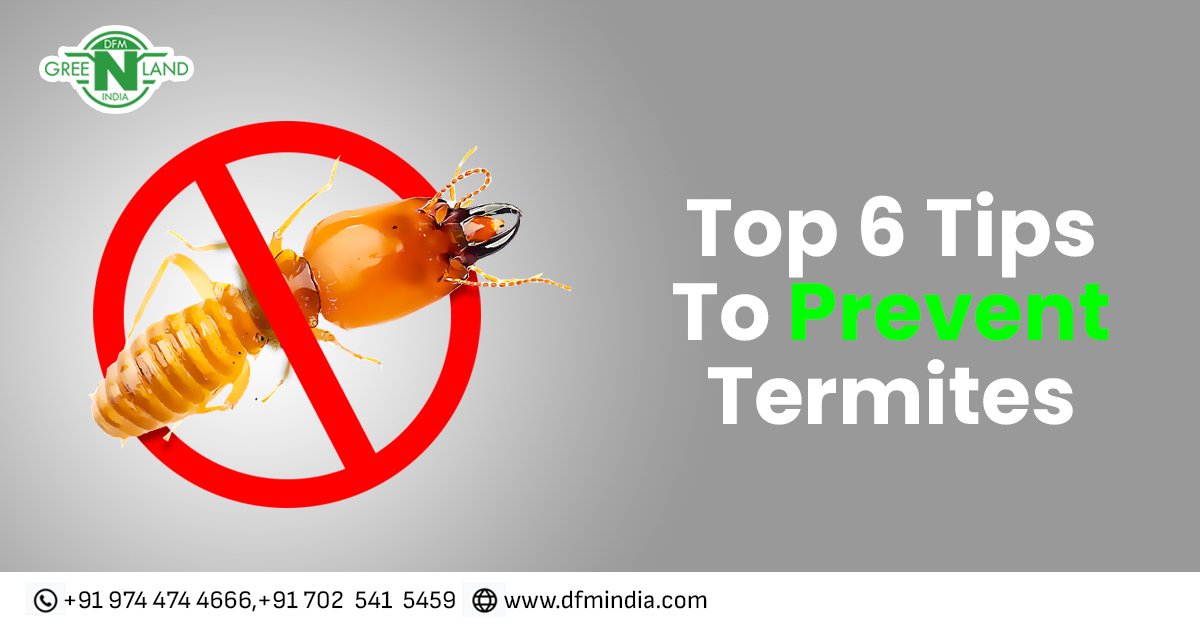
Termites are often dubbed “silent destroyers” for a compelling reason; these diminutive insects can wreak havoc on your home without any visible signs of their presence until substantial damage has occurred. Their insatiable appetite for wood and cellulose is remarkable, as they can consume entire structures from the inside out, rendering homes and businesses vulnerable. But why is there such an intrigue surrounding these pests, beyond their destructive capabilities? The answer lies in their complex social structure and the extraordinary lengths they go to for survival. In order to protect your property, it is imperative to understand and implement effective preventative measures against these enigmatic creatures. Here’s a comprehensive guide to mitigating termite infestations and safeguarding your abode.
1. Understand the Types of Termites
First and foremost, one must comprehend the various species of termites that could potentially invade your premises. The most common types include:
- Subterranean Termites: These insects reside underground, constructing colonies that can number in the millions.
- Drywood Termites: Unlike their subterranean counterparts, drywood termites make their homes within the wood materials themselves, thriving in dryer conditions.
- Dampwood Termites: As their name suggests, these termites prefer damp, decaying wood, often found in dead trees or lumber.
Being informed about these termite types and their habitats is the first step in preventing them from encroaching on your property.
2. Eliminate Wood-to-Soil Contact
One of the quintessential ways termites infiltrate your home is through wood-to-soil contact. This creates a direct pathway for subterranean termites to reach your wooden structures. To mitigate this risk, ensure that:
- Your house’s foundations are at least six inches above the soil line.
- Wooden elements, such as decks and fences, are not directly in contact with the ground.
Consider using concrete or metal barriers as a buffer to thwart their advance.
3. Maintain Proper Drainage
Excess moisture is a siren call for many pests, termites included. The presence of standing water near your home can attract these wood-eating intruders. Ensure that your property remains dry by:
- Directing gutters and downspouts away from your foundation.
- Using proper grading techniques to facilitate drainage away from the structure.
Implementing these strategies will reduce the likelihood of creating a hospitable environment for termites.
4. Store Firewood Correctly
Many people enjoy the warmth of a crackling fire, but firewood storage can be a significant attractant for termites. Store firewood at least 20 feet away from your home, and elevate it off the ground with a rack. This simple precaution minimizes the chances of termites making their way from the woodpile to your home.
5. Seal Cracks and Crevices
Inspect your home regularly for any potential entry points. Termites are adept at infiltrating even the smallest crevices. Look for gaps around windows, doors, utility pipes, and any other openings in your structure. By caulking and sealing these areas, you create a formidable barrier against their invasion. Additionally, consider inspecting your home’s siding and foundation for cracks that may allow access.
6. Utilize Proper Landscaping Techniques
The landscape surrounding your property can be an avenue for pest entry. Be mindful of how you design and maintain your garden. Avoid using mulch made from wood or cellulose products close to the home’s foundation. Instead, use stone or gravel to avert attracting termites. Furthermore, trimming shrubs and trees can prevent them from brushing against your home, which may offer a pathway for termites.
7. Conduct Regular Inspections
Periodic inspections of your property will help in early detection of termite activity. Look for signs such as:
- Swarmers, or winged termites around windows and doors.
- Discarded wings after swarming.
- Shelter tubes made of soil and wood debris along walls or foundations.
If you see any signs, it is prudent to consult with a pest control professional who specializes in termite management.
8. Invest in Preventative Treatments
Many homeowners may opt for preventive treatments that create an invisible barrier against termites. Solutions include:
- Liquid Chemical Treatments: Soil treatments that form a barrier around your home’s foundation.
- Baiting Systems: These contain slow-acting insecticides that are ingested by termites, leading to colony elimination.
Consulting with a pest control expert can help you determine the best preventive strategy tailored to your specific needs.
9. Maintain Awareness
Keeping abreast of local termite reports and infestations in your area can be invaluable. Being proactive in your approach can significantly reduce risks. Neighborhood councils or local pest control services often provide resources and advice regarding termite management strategies for the community.
In Conclusion
Termite prevention is a multifaceted endeavor that requires vigilance, knowledge, and proactive measures. By understanding their habits and employing strategies to safeguard your home, you can effectively reduce the risk of an infestation. Delve into these practices, creating an environment that is inhospitable to these insidious pests, while simultaneously ensuring your dwelling remains a sanctuary of safety and serenity. The effort to protect your home from termites not only preserves its structural integrity but also provides peace of mind against one of nature’s most enigmatic destroyers.









Leave a Comment