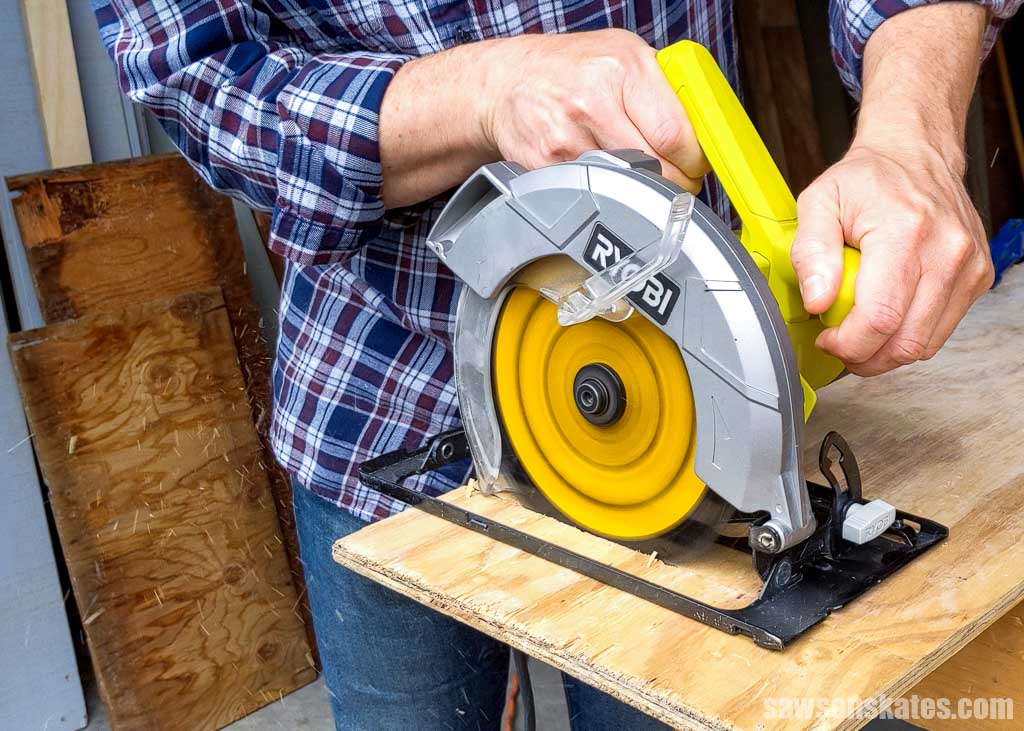
Cutting plywood with a circular saw is a quintessential skill for anyone involved in woodworking or construction. Mastering this technique not only ensures precision and efficiency, but it also enhances your overall woodworking experience. Whether you’re crafting intricate furniture, erecting sturdy shelving, or embarking on a large-scale construction endeavor, understanding how to effectively wield a circular saw is paramount. This comprehensive guide delves into the essentials of cutting plywood, providing insights into the tools, techniques, and safety measures necessary for achieving impeccable results.
Understanding Plywood and Its Varieties
Plywood is created by bonding multiple layers of veneer, or thin slices of wood, together. This construction technique bestows the material with superior strength and stability. However, plywood is not a monolithic material; it comes in various types, each suited for different applications. The primary varieties include:
- Softwood Plywood: Typically made from species like pine, spruce, or fir, this type is ideal for general construction and sheathing.
- Hardwood Plywood: Comprising dense woods such as oak or maple, it finds its niche in cabinetry, furniture making, and decorative applications due to its aesthetic appeal.
- Marine Plywood: Treated specifically for wet environments, it is constructed with adhesive options that resist moisture, making it suitable for boat building and outdoor use.
- Birch Plywood: Frequently used for its impressive strength and durability as well as a smooth finish, birch plywood is a favorite among furniture makers.
Necessary Tools for the Job
Using a circular saw to cut plywood requires several essential tools and accessories:
- Circular Saw: Choose a model with adequate power and a sharp blade specifically designed for plywood. A fine-tooth blade will ensure smooth cuts.
- Cutting Guide or Straight Edge: To achieve straight edges, a cutting guide or a clamped straight edge is indispensable.
- Tape Measure: Accurate measurements are critical; a quality tape measure ensures that your cuts are precise.
- Safety Gear: Protective goggles, ear protection, and a dust mask are essential for ensuring your safety while cutting.
Preparing for the Cut
Before you even power up the saw, preparation is vital. Begin by selecting an appropriate workspace that’s clean, flat, and spacious enough to accommodate the plywood sheets comfortably. Lay out the plywood on a sturdy surface, ensuring it is supported evenly to prevent warping during the cut. Measure and mark the cut line using a pencil or a chalk line for enhanced visibility.
Next, establish the cut depth on your circular saw. Generally, the blade should extend just slightly beyond the thickness of the plywood to avoid excessive blade exposure, which can lead to kickback or injury.
Executing the Cut
Once preparations are complete and you have donned the necessary safety gear, it’s time to make the cut. Begin by aligning the guide along the marked line, securing it in place if necessary. Ensure the saw is positioned correctly, with your hands firmly gripping the handle.
When ready, power on the circular saw, allowing the blade to reach full speed before making contact with the plywood. As you commence the cut, maintain a steady, controlled pace, allowing the saw to do the work. Too much pressure may strain the motor or cause uneven cuts.
It’s also crucial to support the excess plywood with additional boards or sawhorses to prevent the material from dropping or splintering, which can compromise the quality of the cut.
Post-Cutting Techniques
After completing your cuts, inspect the edges. Depending on your end use, you may need to sand the edges lightly to remove any splintering or roughness. For detailed projects, consider beveling the edges or applying edge banding for a professional finish.
Moreover, organizing the cut pieces efficiently will streamline your workflow, making subsequent assembly or utilization much swifter.
Maintenance and Safety Considerations
Regular maintenance of your circular saw will prolong its life and ensure optimal performance. Always keep the blade sharp and free of debris, and store the saw in a dry location to prevent damage.
Lastly, maintaining a culture of safety is imperative. Always be conscious of your surroundings while cutting, ensuring no one stands in your cutting line. Familiarize yourself with the saw’s functions and emergency shut-off mechanisms in case of malfunction.
Conclusion
Cutting plywood with a circular saw may seem daunting at first, but with the right tools, techniques, and a focus on safety, it becomes an empowering task that elevates your woodworking capabilities. Understanding the properties of plywood, preparing meticulously, and executing your cuts with precision are the cornerstones of successful woodworking. Embrace the journey of mastering this essential skill, and unlock the door to countless projects fulfilling both functional and artistic aspirations.










Leave a Comment