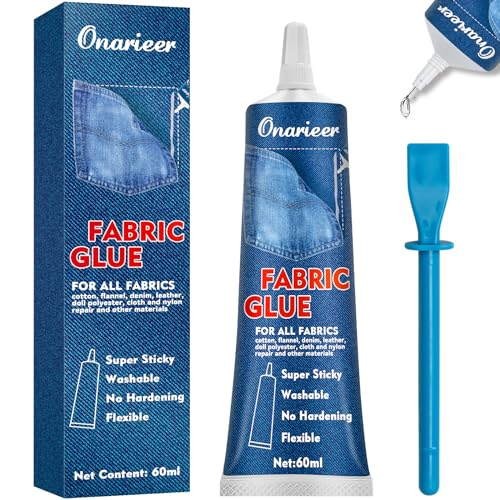
Patchwork has transcended its humble origins, evolving into a revered art form that intertwines nostalgia with contemporary flair. Fabric patches, whether to cover a tear or to embellish, serve as more than mere repairs; they have become expressions of personality and creativity. As this trend burgeons, fabric glue emerges as an indispensable ally in the realm of patch application. The versatility and reliability of fabric glue promise not just functional utility but a new approach to garment personalization. This article delves into the nuanced world of fabric glue for patches, providing a comprehensive exploration of its types, benefits, application techniques, and more.
Understanding the Types of Fabric Glue
The landscape of fabric adhesives is diverse, with various formulations designed to cater to differing needs. Broadly categorized, fabric glues can include:
- Permanent Fabric Adhesives: Ideal for patches that require longevity, these strong adhesives bond fabrics indelibly, withstanding washes and wear. They solidify into a rigid structure, ensuring that your patches stay put through life’s rigors.
- Removable Fabric Adhesives: For those who desire flexibility, removable glues allow for repositioning or substitution of patches. Particularly useful in fashion experimentation, this type encourages adaptability.
- Fabric Glue Pens: Offering precision application, these pens are perfect for intricate designs. They deliver a consistent flow of adhesive, ensuring even coverage without messiness.
- Sewing Adhesives: Some adhesives blend the best of both worlds, allowing for a temporary bond that can be sewn over. This dual functionality is particularly beneficial for crafting enthusiasts.
The Benefits of Using Fabric Glue
One could argue that the true allure of fabric glue lies in its multifaceted advantages. First and foremost is its time-saving nature. Unlike traditional sewing, which demands a significant investment in time and skill, glue provides an instant solution. The ease of application renders it approachable for novices while still appealing to seasoned crafters.
Moreover, fabric glue is a remarkably clean medium. It reduces the often-overwhelming cleanup associated with sewing, freeing creators to focus on design rather than the intricacies of needlework. The absence of bulky equipment ensures that fabric gluing can be performed in a variety of settings, whether at home or while traveling.
Furthermore, fabric adhesive facilitates an almost limitless range of creativity. From contrasting textiles to unconventional materials, the right glue allows for delightful experimentation, pushing the boundaries of traditional fashion into uncharted territory.
How to Properly Apply Fabric Glue
While the allure of fabric glue is evident, proper application is essential to realize its full potential. Here is a step-by-step guide to achieving optimal results when adhering patches:
- Prepare Your Surface: Before diving into the gluing process, ensure the fabric surface is clean, dry, and free from dust. This foundational step is crucial in achieving a strong bond.
- Choose Your Patch: Select a patch that resonates with your design vision. Consider the color, texture, and symbolism that you want to convey.
- Apply the Adhesive: Using either a brush, nozzle, or glue pen, apply a thin, even layer of adhesive to the back of the patch. Avoid over-saturation, as this can create a messy appearance.
- Position the Patch: Gently place the patch onto the desired area, ensuring it is correctly aligned. Lightly press down for uniform adhesion. Be cautious of repositioning since some adhesives can set quickly.
- Allow to Dry: One of the most critical steps is drying time. Follow the instructions provided with the glue to ensure the bond is secure. Rushing this step may compromise the durability of the application.
- Test the Bond: Once the glue has dried thoroughly, gently tug at the patch to confirm adherence. A well-executed bond should demonstrate resilience.
Exploring Unique Applications
The appeal of fabric glue for patches extends beyond mere garment repair. Its versatility opens doors to myriad projects, including:
- Custom Accessories: Transform ordinary handbags, hats, and scarves into unique fashion statements by creatively applying patches adorned with thematic designs.
- Quilting and Home Decor: Incorporate fabric glue when crafting quilts or wall hangings. Patches can serve both decorative and functional roles, enriching the overall aesthetic.
- Artistic Expressions: Engage in free-form crafting by layering fabrics and patches, creating visually interesting compositions that challenge conventional boundaries.
Pitfalls to Avoid
Conclusion
The marriage of fabric patches with fabric glue embodies a modern renaissance in clothing repair and customization. No longer merely covering mistakes, patches symbolize individuality, creativity, and resourcefulness. With the right adhesive, one can transform everyday fabrics into extraordinary expressions of flair. The promising world of fabric glue beckons, inviting both novice and experienced creators to embark on a journey of innovation and exploration. So, gather your patches, choose your adhesive wisely, and let your imagination soar to new heights.






Leave a Comment