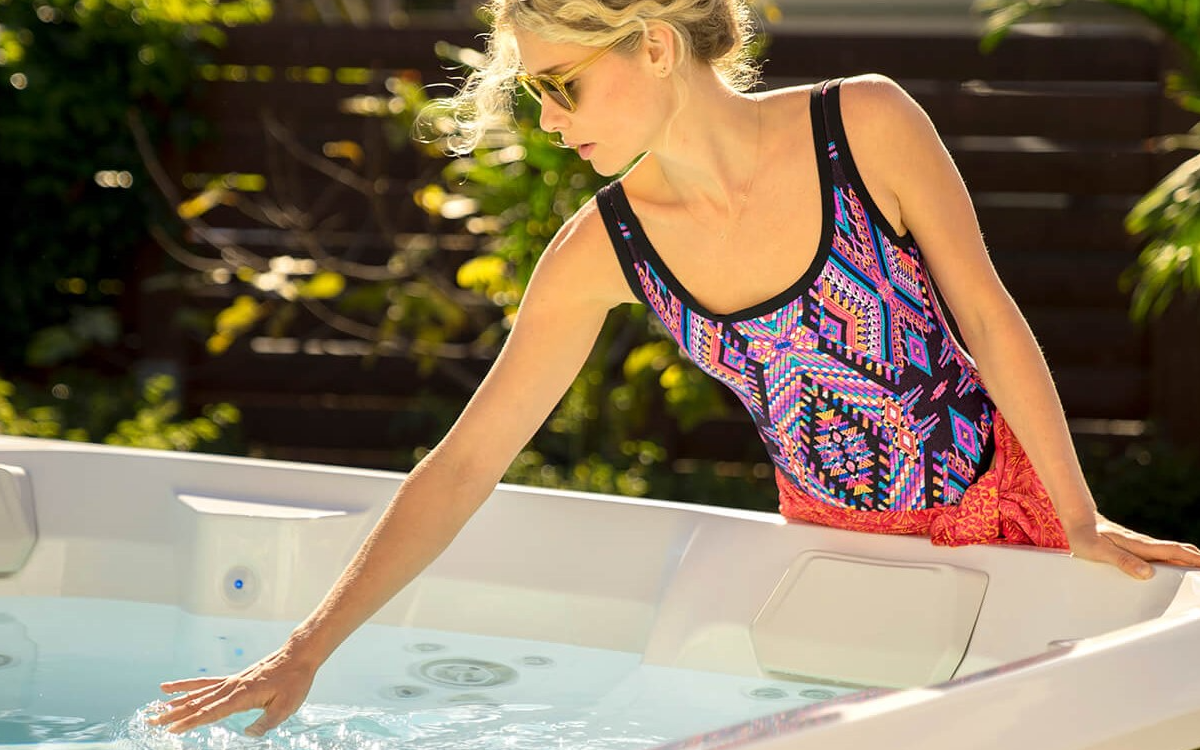
Hot tubs, often seen as luxurious retreats, invite relaxation and recreation, appealing to those craving the soothing embrace of warm water. However, the question in the forefront of many minds is, “How hot is a hot tub?” This exploration encompasses various factors, ranging from temperature guidelines to the science of heat, and delves into the nuances of temperature preferences and safety measures associated with hot tub usage. In this article, we will elucidate the optimal temperature ranges, elements influencing heat, and considerations regarding prolonged exposure to hot water.
Understanding Temperature Ranges
When discussing hot tubs, one must consider the standard temperature range, which typically hovers between 100°F to 104°F (37.8°C to 40°C). This spectrum caters to a variety of preferences and physiological responses. The accepted heating threshold for most hot tubs is 100°F, often seen as the baseline for enhancing relaxation without overwhelming the body.
As the temperatures approach the upper limit of 104°F, the experience intensifies. At this juncture, the hot water envelops the body, promoting enhanced blood circulation and alleviating muscle tension. While many enthusiasts relish the feeling of ultra-warm water, it is crucial to acknowledge the potential health implications associated with extended exposure to such temperatures.
Temperature Preferences: An Individual Journey
Your personal temperature preference can vary significantly based on individual comfort levels, usage purpose, and health conditions. Some may find pleasure in a balmy 100°F, while others gravitate toward the maximum of 104°F. Age and sensitivity to heat play vital roles in determining these preferences. For instance, younger individuals might enjoy hotter settings, whereas older adults or those with specific health concerns might require cooler water.
Additionally, the activity being performed within the hot tub can influence the desired temperature. Bathing in warmer water is often favored during colder weather, providing a stark contrast to the chilly air outside. Conversely, for those hoping to engage in activities such as social gatherings or exercises, a slightly lower temperature may foster comfort and enhance endurance.
Influences on Hot Tub Temperature
Various factors can influence the temperature of a hot tub, affecting the overall experience:
- Ambient Temperature: The external climate significantly impacts how hot water feels. Colder weather may necessitate maintaining the higher end of your preferred temperature range due to heat loss, while warmer conditions might enable lower settings.
- Hot Tub Size: Smaller tubs may heat up more rapidly than larger models, which may require longer heating periods to reach the desired temperature. Furthermore, larger bodies of water lose heat quicker, making temperature management crucial.
- Insulation: Hot tubs equipped with superior insulation retain heat more effectively. Investing in models with robust insulation minimizes energy consumption and heat loss.
- Covering: A well-fitting cover not only protects the hot tub from debris but also plays a pivotal role in sustaining heat. Regular use of covers can reduce energy expenditure while ensuring optimal hot temperatures.
Health Considerations: The Temperature Tightrope
While indulging in a hot tub is undoubtedly pleasurable, it is vital to consider safety. Prolonged exposure to high temperatures can lead to overheating, dehydration, and other heat-related complications. For most individuals, limitations should be established to mitigate these risks.
Recommendations for use generally suggest limiting immersion in temperatures above 104°F to 15-30 minutes, particularly for those who are pregnant, elderly, or men with certain health issues. It is paramount to listen to your body. If you experience lightheadedness, nausea, or any discomfort, it’s prudent to exit the hot tub and rehydrate.
Pediatric Considerations
Children are particularly sensitive to higher temperatures, necessitating extra caution. It is advisable to maintain a temperature not exceeding 100°F for younger users. Supervising children explicitly while they enjoy the hot tub is crucial, ensuring safe immersion practices are observed.
Enhancing the Hot Tub Experience
Factors beyond temperature also contribute to the overall enjoyment of the hot tub experience. Consider integrating aromatherapy with essential oils, tranquil lighting, or soothing music to foster a serene environment. These elements, combined with optimal temperatures, can transform a routine soak into a restorative ritual.
Conclusion
Hot tubs stand as bastions of relaxation and wellness, yet understanding their temperature dynamics is essential to maximizing enjoyment and maintaining safety. Whether you lean toward the balmy embrace of 100°F or the steamy allure of 104°F, recognizing your preferred settings alongside the factors influencing heat can enhance your soaking experience. Always remain vigilant of your body’s signals and adhere to recommended guidelines to ensure that your hot tub remains a sanctuary of tranquility and rejuvenation. Ultimately, the journey through warmth and comfort is personal, inviting each individual to discover their uniquely elevated experience.







Leave a Comment