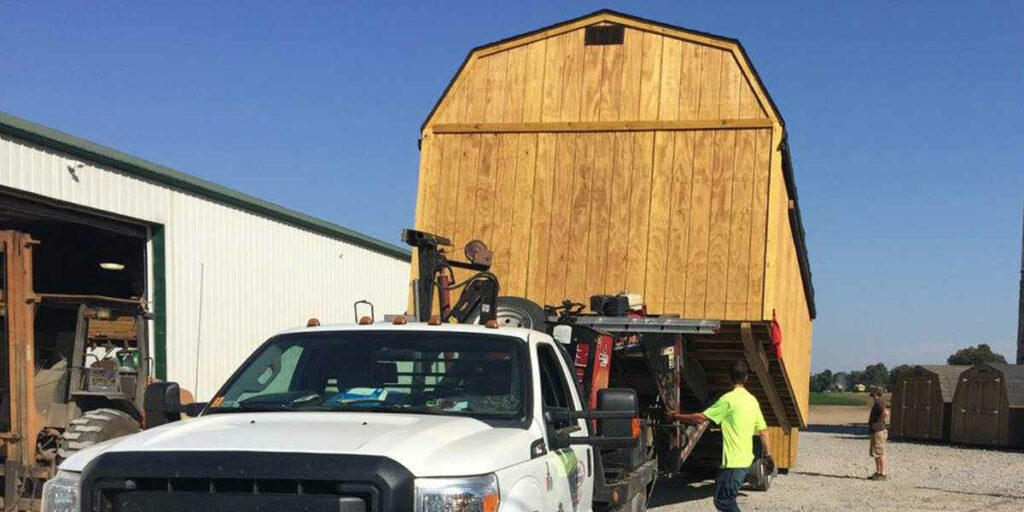
Moving a storage shed can appear daunting at first glance. These sturdy structures, often laden with tools, equipment, and seasonal items, serve a plethora of purposes ranging from workshops to rustic retreats. However, the process of relocating them can seem insurmountable. Why are we so fascinated with this seemingly mundane task? Perhaps it’s the blend of logistics, physical effort, and the potential to re-imagine outdoor spaces that makes shed relocation such a compelling endeavor. This article offers a comprehensive guide to successfully moving your storage shed, exploring the importance of preparation, equipment, and technique while unearthing the hidden joys that accompany such an undertaking.
1. Assess the Shed’s Structure and Materials
Before embarking on the moving process, meticulously examine the shed’s construction. Is it a wooden structure, a metal unit, or perhaps resin-based? Each material presents unique challenges. Wooden sheds may require reinforcement to prevent disintegration, while metal structures should be scrutinized for rust and corrosion. Additionally, consider the design incorporated within the shed. Are there shelves or heavy storage items that must be managed beforehand? Understanding your shed’s anatomy will pave the way for a smoother transition.
2. Gather Essential Tools and Equipment
Preparation is key in the realm of shed relocation. You will require a variety of tools: a basic toolkit including screwdrivers, hammers, and wrenches for disassembling parts; a pry bar for lifting, and perhaps a hand truck or dolly for moving. If the shed is particularly large or heavy, enlisting the aid of a tow strap and a truck or trailer may be necessary. For hefty metal units, consider using a hydraulic jack for enhanced ease. Safety gear such as gloves and sturdy boots should not be overlooked; they provide protection against sharp edges and unexpected slips. Gathering these tools prepares you for the anticipated challenges ahead.
3. Clear the Area Surrounding the Shed
Imagine preparing to move an entire landscape: the area surrounding your shed should be meticulously cleared. Remove any obstacles—plants, debris, or furnishings—that may impede the relocation. Furthermore, it is prudent to assess ground conditions. Is the terrain level? Ensure the path to the new location is free of ruts and rocks. A clear and flat space simplifies the moving process, effectively saving time and energy.
4. Detach Utilities and Prepare Contents
Before physically moving the shed, detach any utilities, such as electrical lines or water supplies, that may be connected. If the shed functions as a workshop with tools requiring power, make sure to shut off electricity and safely manage any wiring. Subsequently, empty the shed completely. Organizing contents into bins can prevent chaos and make unpacking at the new location much easier. By clearing everything in advance, you mitigate the risk of damage both to the structure and the stored items.
5. Disassemble the Shed (If Necessary)
Depending on the shed’s size and framework, disassembly might be essential for a seamless transition. Start by removing hinges, screws, and nails from doors, as well as roof panels if applicable. Carefully document the disassembly process with photographs or notes, so reassembly is straightforward at the destination site. In certain cases, a two-person team may expedite this step, allowing for a more efficient and less burdensome experience.
6. Utilize Moving Techniques
Moving a shed can be accomplished in several distinctive ways. If the shed is small enough, a team of individuals may carry the structure directly. However, for larger sheds, employing techniques such as lifting with a pry bar or utilizing a trailer may be optimal. Barring these methods, consider engaging professional movers who specialize in shed relocation. Understanding the feasibility of each technique ensures that you can execute the move safely and efficiently.
7. Position the Shed in the New Location
A strategic approach to positioning your shed is imperative. Investigate the new site, ensuring it maintains ample drainage and sunlight exposure. Confirm that the area is level and provides a solid foundation. When relocating, align the shed according to your spatial design and neighborhood aesthetics. A well-placed shed can blend seamlessly into your landscape, transforming your garden into a cohesive outdoor sanctuary.
8. Reassemble and Establish Safety Precautions
Once the shed is in its new locale, it’s time for reassembly. Referring back to your photographs or notes will be invaluable here. Ensure that every element is securely fixed in place. Apply any safety precautions, such as anchoring the shed to prevent wind damage or installing locks to enhance security for your stored items. Reinforcing your shed’s longevity contributes to years of use and enjoyment.
9. Enjoy the Transformation
Finally, once the logistical processes are complete, take a moment to appreciate your hard work. The shed, now nestled in its newfound geographical context, can serve as a captivating focal point for your outdoor space. You may even find fresh inspiration to enhance the area—transforming it with flowers, lighting, or even outdoor seating. The effort invested in relocating this storage unit goes beyond mere practicality; it fosters personal creativity and a renewed appreciation for your outdoor haven.
In conclusion, moving a storage shed encompasses far more than simply relocating an object. It is a synthesis of planning, practical execution, and the potential for aesthetic enhancement of one’s environment. Whether you view it as a task or an adventure, the journey of moving a storage shed can lead to a redefined relationship with your outdoor space, inviting both function and beauty into your life.










Leave a Comment