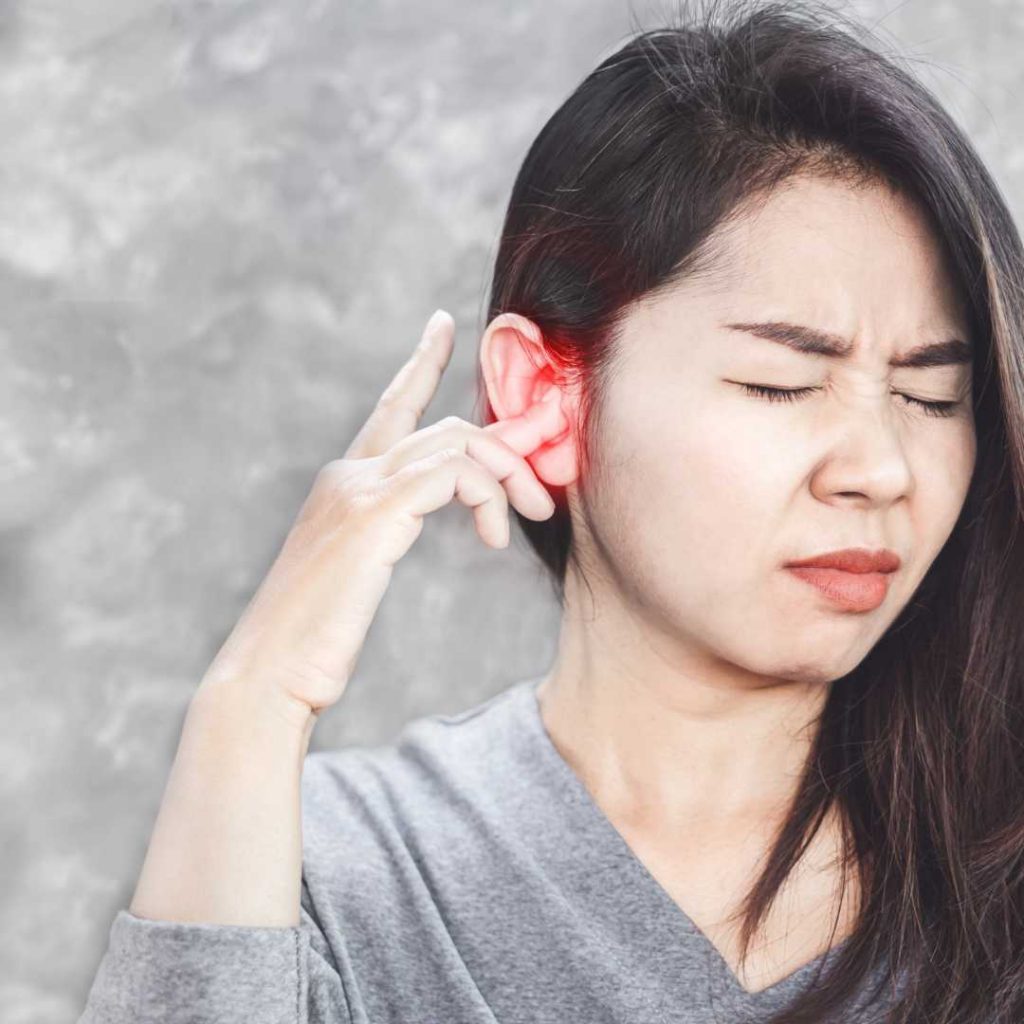
Ringing in the ears, medically referred to as tinnitus, is a perplexing condition that can vary in intensity and duration. It might manifest as a subtle whisper or an overwhelming roar, experienced as a ringing, buzzing, hissing, or clicking sound in one or both ears. For many, this incessant auditory phenomenon can be debilitating, impacting focus, tranquility, and overall quality of life. As individuals seek solace from this incessant noise, many find themselves turning towards earplugs as a potential remedy. This article delves into the multifaceted role of earplugs in the context of tinnitus, categorizing various types, usage recommendations, and additional strategies for management.
Understanding Tinnitus
Tinnitus itself is not classified as a disease but rather a symptom of underlying health issues, including exposure to loud noises, ear infections, or even the natural aging process. The sensation can fluctuate based on environmental factors, health conditions, or emotional states. Comprehending the triggers and manifestations of tinnitus is critical for those looking to alleviate its persistent echoes. Thus, the utilization of earplugs can be a valuable means of managing the volume and frequency of annoying sounds that exacerbate the condition.
Types of Earplugs
When selecting earplugs to combat tinnitus, it is essential to consider the various types available on the market, each offering distinct advantages depending on the individual’s needs.
1. Foam Earplugs:
Typically made from soft, compressible foam, these earplugs are designed to conform to the shape of the ear canal. Their excellent sound-dampening properties make them ideal for reducing ambient noise. However, they may not provide complete acoustic isolation, allowing for some sound penetration, which may still be beneficial when looking to mask tinnitus without entirely blocking external sounds.
2. Silicone Earplugs:
Silicone earplugs offer a versatile option due to their malleability and reusable nature. They can be molded to fit the ear comfortably, ensuring a snug seal that minimizes intrusive noises. Their durability and ease of cleaning make them a favorite for extended use, particularly for individuals who face long periods of tinnitus exacerbation.
3. Custom-Molded Earplugs:
For those desiring tailored comfort, custom-molded earplugs provide a personalized solution. Crafted from impressions of an individual’s ear canals, these earplugs guarantee an impeccable fit. Perfect for frequent exposure to loud environments, they afford maximum noise reduction while considering personal comfort, which is crucial when managing tinnitus.
4. Electronic Noise-Canceling Earplugs:
Equipped with advanced technology, electronic noise-canceling earplugs operate by utilizing microphones to detect external sounds and generate opposing sound waves. This innovative approach effectively diminishes unwanted noise, allowing users to experience an audible environment without the distractions of tinnitus. Ideal for sleep or concentration, they can serve a double function of masking tinnitus while actively working to counteract disruptive sounds.
5. High-Fidelity Earplugs:
For audiophiles or individuals in profession settings, high-fidelity earplugs reduce volume without compromising sound quality. Constructed with filters that balance sound frequency, they protect against damaging noise levels while allowing the wearer to appreciate music or conversation—a pivotal aspect for anyone striving to maintain social interactions while dealing with tinnitus.
Best Practices for Usage
Implementing earplugs effectively requires understanding their optimal usage. Here are some best practices to consider:
1. Consistency: Regularly using earplugs in environments prone to high noise levels can offer cumulative benefits, allowing for a prolonged reprieve from the auditory nuisances associated with tinnitus.
2. Proper Fitting: Ensuring a snug fit is paramount. Inadequately fitting earplugs can cause discomfort and may fail to provide the necessary noise reduction. Custom options can alleviate this concern.
3. Hygiene Maintenance: Regular cleaning—especially for reusable earplugs—is crucial to prevent infections or irritations within the ear canal. Follow manufacturer recommendations for cleaning procedures to ensure longevity and safety in use.
Additional Strategies for Tinnitus Management
Although earplugs can provide substantial relief, they are most effective when part of a broader tinnitus management plan. Other strategies may include:
1. Sound Therapy: Utilizing sound machines or smartphone applications that offer ambient sounds (e.g., rain, ocean waves) can help mask the ringing in ears, fostering a calming environment conducive to relaxation.
2. Cognitive Behavioral Therapy (CBT): Working with a therapist can assist in addressing the emotional ramifications of tinnitus, equipping individuals to cope with the psychological burden it might impose.
3. Regular Medical Consultation: Regular appointments with audiologists or ENT specialists can facilitate ongoing monitoring of tinnitus, leading to timely interventions and adjustments in management tactics as necessary.
Conclusion
Experiencing ringing in the ears can be an isolating and arduous journey, but understanding the various tools and approaches available can empower individuals to regain control of their auditory health. Earplugs, with their various types and capabilities, serve as a valuable resource in navigating the challenges posed by tinnitus. Coupled with other therapeutic strategies, they can enhance quality of life, affording tranquility in an otherwise cacophonous world. Embracing these options may reveal a path toward greater ease and comfort, transforming the tinnitus experience from a relentless burden into a manageable aspect of everyday life.











Leave a Comment