
Short Answer
Anchors can become fouled on rocks, wrecks, driftwood, or old mooring chains. A stuck anchor is not just an inconvenience; it can delay departure, damage gear, or force you to cut it free. Trip lines and retrieval methods offer a systematic way to recover a fouled anchor safely. This article explains how to rig a trip line, use it to break out a stuck anchor, and apply alternative techniques when a trip line isn’t practical.
Main Explanation
What it is
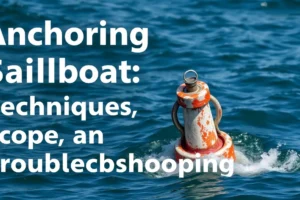
A trip line is a stout line connected from the after end of the anchor fluke—often at the crown or a dedicated tripping ring—to a marker buoy on the surface. The line is adjusted so that it runs straight up and down at high tide, allowing the float to mark the approximate position of the anchor. If the anchor snags on a rock, wreck, or submerged timber, the trip line lets you pull from a different direction, usually opposite to the direction the anchor originally set, to rotate it out crown first. A related technique, the breaking trip line, fastens the rode directly to the crown or tripping ring and then runs the chain along the shank, securing it with light ties; under normal load the anchor sets normally, but a hard pull breaks the ties and shifts the load to the crown, reversing the pull. These methods are not tied to any specific boat brand, school, or equipment manufacturer—they are standard seamanship practices described in independent sailing references.
Why it matters
Anchors become fouled more often than many sailors expect, especially in rocky, coral, or debris-laden bottoms. Driftwood, boulders, old mooring chains, and even discarded fishing gear can trap an anchor so thoroughly that pulling straight up on the rode only buries it deeper or jams the flukes. Without a planned retrieval method, a stuck anchor can cost hours, damage a windlass or deck hardware, or force you to cut the anchor free—an expensive and sometimes safety-critical loss. Reliable, independent guidance matters because advice from forums, manufacturer manuals, and anecdotal reports often conflicts. A clear, tested method reduces guesswork and keeps the crew out of harm’s way.
How it works
The floating trip line is the most common approach. Tie a 3/8-inch polypropylene line—its length greater than the water’s maximum depth—to the anchor’s tripping ring or crown eye. At the opposite end, attach a small marker buoy. When the anchor is on the bottom, the buoy floats above it. If the anchor snags, motor or pull up to the float bow-first while taking in the anchor rode. Then pull upward on the trip line, or in a direction opposite to the way the anchor dug in. This should pull the anchor out crown first. The main disadvantage is that the excess line in the water risks fouling your propeller, so it must be managed carefully.
The breaking trip line avoids a permanent surface buoy. Fasten the rode directly to the anchor’s crown or tripping ring. Run the chain along the shank and secure it to the normal attachment point with light line, cable ties, or a breakaway pin. Under normal anchoring loads, the chain holds the anchor in its usual setting orientation. If the anchor becomes stuck, increasing load breaks the ties, and the pull transfers to the crown, reversing the direction of force and often freeing the anchor. This method is especially useful in areas where a floating trip line would be a hazard to other boats.
How to do it
For a typical coastal passage with an overnight anchorage in an unfamiliar or snag-prone bottom, rig a floating trip line before you drop the hook. First, determine the maximum water depth at high tide, then cut a polypropylene line about 1.5 times that depth. Attach one end to the anchor’s crown or tripping ring with a secure knot or shackle. Attach a small, brightly colored buoy to the other end. Deploy the anchor normally, paying out the trip line as the anchor descends so it does not tangle. Once set, confirm the buoy is directly above the anchor and not wrapped around the rode.
If the anchor later refuses to break free, approach the buoy slowly from downwind or down-current, taking in the anchor rode as you go until the boat is nearly vertical over the anchor. Cleat the rode securely but be ready to release it if the boat dips into a trough. Take the trip line to a winch or strong cleat and apply steady tension in the opposite direction from the original set. Do not jerk violently; a steady pull often rotates the anchor out. If you are using a breaking trip line, motor gently ahead into the wind or current until the ties break and the load shifts to the crown. Continue until the anchor releases, then retrieve normally.
When not to do it
A floating trip line is not appropriate in crowded anchorages, where the buoy and submerged line can snag other boats’ propellers or anchors. Long-term use of a conventional trip line in a busy harbor can draw justified complaints and create a hazard. In strong currents or very deep water, managing a long trip line becomes difficult and may be more dangerous than the risk of fouling. If the anchor is deeply buried in soft mud or sand, a trip line may not provide enough leverage to break it out, and other methods—such as motoring in a circle or using a snubber—may be more effective. Finally, if conditions deteriorate or the crew is inexperienced, it is safer to cut the anchor free and mark the position than to risk injury or damage.
Visual
The following step sequence shows the floating trip line retrieval method from set to breakout.
- Rig the trip line to the anchor crown or tripping ring before deployment.
- Attach a floating polypropylene line longer than the maximum water depth.
- Secure a small marker buoy to the free end.
- Deploy the anchor, paying out the trip line to avoid tangles.
- If the anchor sticks, approach the buoy slowly and take in the rode until vertical.
- Cleat the rode and apply steady tension on the trip line opposite the set direction.
- Retrieve the anchor once it breaks free, then stow the trip line and buoy.
Common Mistakes
Using a trip line in a crowded anchorage
A floating trip line and buoy can wrap around another boat’s propeller or rudder, causing damage and conflict. Consequence: you may be liable for repairs and create a dangerous situation. Correct approach: use a breaking trip line or no trip line in crowded areas, and only deploy a floating trip line in uncrowded or short-stay situations.
Tying the trip line to the wrong part of the anchor
Attaching the trip line to the shackle or the forward end of the shank will not reverse the pull effectively. Consequence: the anchor remains stuck and the line may part under load. Correct approach: always attach to the crown, tripping ring, or the after end of the fluke, as recommended by anchor manufacturers and independent references.
Relying on brute force with the windlass
Using the windlass to pull a fouled anchor straight up can overload the motor, damage the deck, or cause the chain to jump. Consequence: equipment failure and possible injury. Correct approach: use controlled, steady tension from a different direction, and let the boat’s motion or a snubber absorb shock loads.
Not adjusting the trip line for tide
If the trip line is too short, the buoy will be pulled underwater at high tide and become useless or a hazard. Consequence: you lose the ability to locate or retrieve the anchor. Correct approach: measure the maximum depth including tidal range and add extra line, then check the buoy at high water.
Forgetting to secure the bitter end of the anchor rode
If the anchor is stuck and you release the rode to reposition, the entire rode can run out and be lost. Consequence: loss of anchor and rode, and a dangerous loose line. Correct approach: always make the bitter end fast to a strong point, but with a quick-release knot or lashing that can be cut in an emergency.
Ignoring weather and current changes during retrieval
Wind and current can shift while you are working, pushing the boat over the trip line or causing the buoy to drift. Consequence: the trip line can foul the propeller or the boat can drift onto a lee shore. Correct approach: monitor conditions continuously, keep the engine ready, and have a crew member watch the buoy and lines.
Safety Note
Trip lines and retrieval methods are seamanship tools, not substitutes for good judgment, proper training, and physical checks. Before relying on any digital reference or checklist, verify critical data—weather, tides, currents, and navigation—with official sources such as national weather services, coast guard broadcasts, and local maritime authorities. Never use a phone or tablet as your only navigation or planning tool; keep paper charts and a handheld VHF as backups. Take a certified safety and seamanship course, and practice anchor retrieval techniques in controlled conditions before needing them in an emergency. Always follow the International Regulations for Preventing Collisions at Sea (COLREGS) and local harbor rules. When working with a loaded anchor rode or trip line, keep all crew clear of the line’s path, wear gloves, and never stand in a bight. If the boat dips into a trough while the line is under tension, be ready to release or cut it to prevent the bow from being pulled under. If you must abandon an anchor, mark the position with a buoy if possible and report it to the harbor authority.
FAQ
Can I use any line for a trip line?
Use a floating line such as polypropylene so it does not sink and foul the propeller. The line should be longer than the maximum water depth including tide, and it should be brightly colored or marked with a buoy.
What if I didn't rig a trip line and my anchor is stuck?
Try motoring slowly in different directions, use a snubber to absorb shock loads, or take a line from a dinghy to pull from another angle. If the anchor remains stuck, you may need to cut it free and mark the position.
Is a floating trip line safe in a crowded anchorage?
No. The buoy and submerged line can snag other boats' propellers or anchors. In crowded areas, use a breaking trip line or no trip line, and only deploy a floating trip line for short stays in uncrowded conditions.
How does a breaking trip line work?
The rode is attached to the anchor crown or tripping ring, and the chain is run along the shank and secured with light ties. Under normal load the anchor sets normally; when stuck, increased load breaks the ties and the pull shifts to the crown, reversing the anchor out.







Leave a Reply