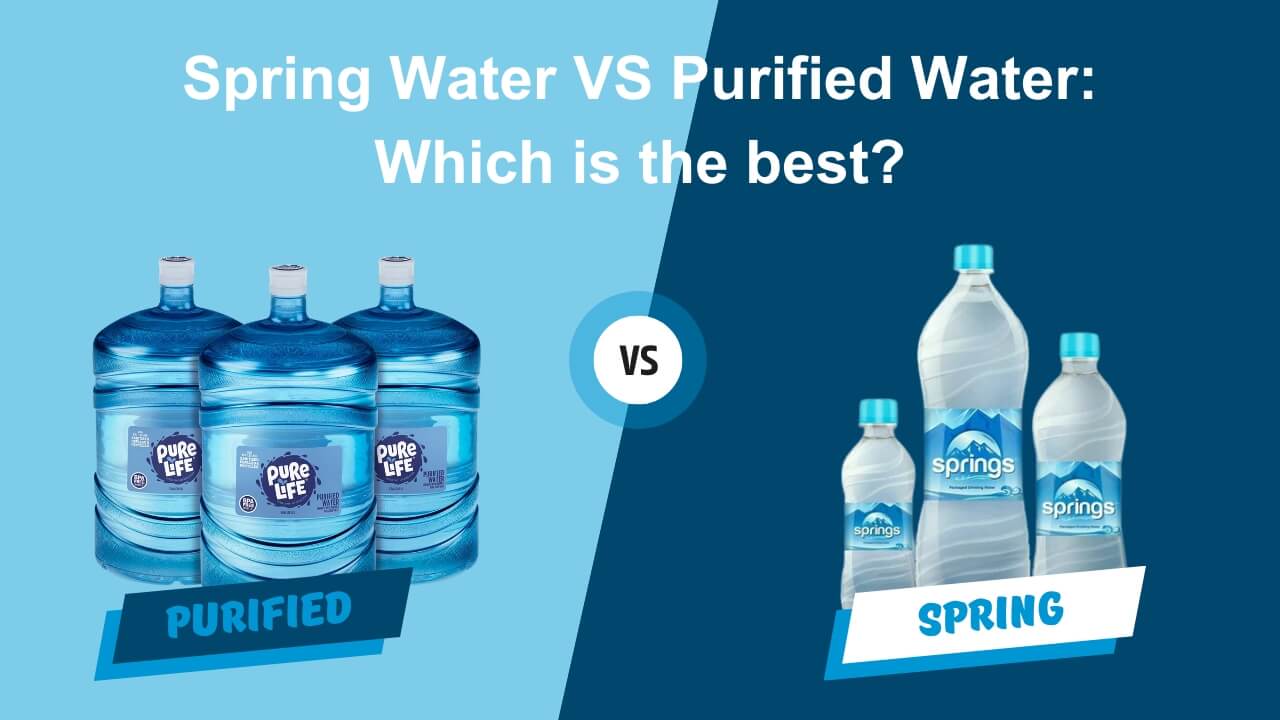
As the vibrant hues of spring envelop the world, the allure of fresh, revitalizing water becomes even more pronounced. With two primary contenders vying for the attention of health enthusiasts and environmental advocates alike—spring water and purified water—an intriguing dilemma emerges. Which one truly reigns supreme? Can you discern the subtleties that separate these two liquid champions? Let’s embark on an exploration through the realms of nature’s finest and man-made solutions.
To commence our journey, we must first understand the essence of spring water. This beverage emerges from natural springs, where groundwater springs forth, often laden with minerals and trace elements that contribute to its distinctive flavor and nutritional profile. The water that flows from these sources is typically siphoned off directly, ensuring that it retains its natural purity while preserving all the beneficial minerals that Mother Nature intended. In essence, spring water offers a taste of the earth in its most organic state.
On the other hand, purified water is a crafted brew. It undergoes rigorous treatment processes such as reverse osmosis, distillation, or UV light purification, all designed to strip away impurities, contaminants, and any undesirable elements. This method yields water that is virtually free of substances that could compromise purity—but at what cost? While purification equates to cleanliness, it often results in a void of essential minerals, leading some to question its overall health benefits compared to its spring-derived counterpart.
The crux of the matter lies in the mineral content. Spring water, buoyed by its natural mineral composition—from calcium to magnesium and potassium—offers a sensory experience that purified water simply cannot replicate. These minerals contribute not only to the flavor but also to potential health benefits. For enthusiasts, sipping on spring water can feel like taking in the essence of the environment itself. With each sip, one can imagine the intricate journey the water has traversed through rocks and soil, enriching it with nature’s priceless gifts. Conversely, purified water, while safe and often available in large quantities, may lack the vibrancy that these minerals impart.
How do we determine which is best suited for our daily hydration needs? From an environmental viewpoint, bottled spring water often raises eyebrows. Its sourcing can lead to ecological concerns, as freshwater aquifers may be depleted, and plastic bottles contribute to pollution. In contrast, while purified water also frequently comes in plastic containers, the process can often be conducted at home or sourced from refill stations, thereby reducing one’s carbon footprint.
The taste is another dimension worth exploring. There’s a distinct refreshment that many aficionados attribute to spring water, drawing them back time and again. Is it the hint of natural minerals? The crispness of pure, untainted water? With purified water, taste can be bland at times, as the absence of minerals can render it less interesting. For those who prefer dynamism in their beverages, this could pose a challenge as the palate often craves complexity. So, should one choose based on preference or nutritional value?
Furthermore, health claims around these waters merit consideration. While proponents of spring water tout its health benefits due to its mineral content, purified water enthusiasts often argue that their choice is superior because it is free from contaminants and potentially harmful substances. From chlorine in municipal water supplies to lead from aging pipes, the risks associated with unpurified sources are valid. But do these considerations outweigh the natural advantages of spring water, nurturing body and mind alike with its intrinsic mineral benefits?
As we ponder these pivotal questions, it’s worth noting that hydration strategies can be as individual as one’s unique taste. Some may relish the idea of refreshing themselves with a clean slate offered by purified water, opting for a minimalist approach. Others, however, may revel in the thought of nourishing their bodies with water blessed by nature itself. The challenge lies in finding a suitable balance between convenience, taste, and health.
Ultimately, when faced with the choice between spring water and purified water, one must weigh various factors—environmental impact, health benefits, taste preference, and lifestyle compatibility. While purists may lean towards spring water as the more authentic option, practicality and safety will often guide modern consumers to favor purification methods.
In conclusion, whether you choose the invigorating embrace of spring water or the crisp assurance of purified water, it’s essential to understand the dynamics at play. The decision isn’t merely about hydration; it’s a reflection of values, health priorities, and personal tastes. In the grand tapestry of life, each sip tells a story—what will yours narrate? So take a moment, consider your options, and raise your glass to the wondrous world of hydration. Cheers to your journey in discovering your preferred potion for wellness!










Leave a Comment