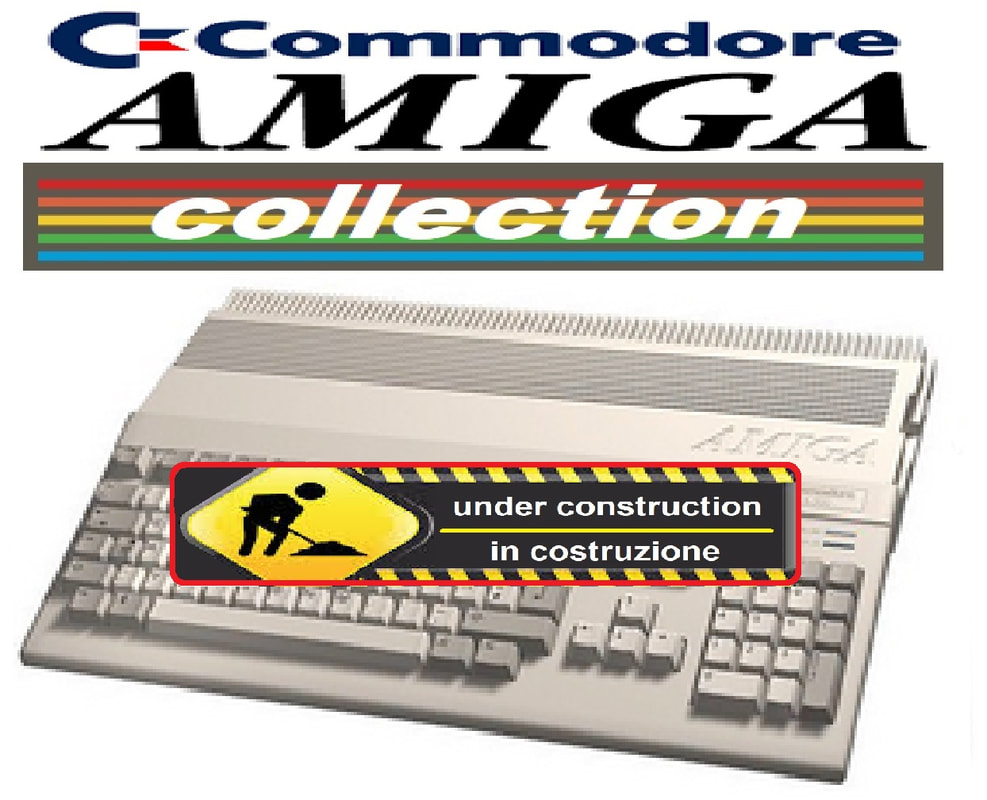
The Commodore Amiga stands as a paragon of innovation within the annals of personal computing history, yet intriguingly, it never made its debut in the vibrant and competitive market of Japan. This absence remains a curious observation, as the Amiga was undeniably a technological marvel of its time, boasting features that revolutionized multimedia and gaming. This article delves into the myriad factors that contribute to this fascinating phenomenon, exploring the technological, historical, and cultural landscapes that shaped the Amiga’s unavailability in Japan.
The Technological Landscape of the Amiga
To comprehend the Amiga’s allure, one must first appreciate its groundbreaking features. Launched in 1985, the Amiga 1000 was equipped with a powerful chipset that supported advanced graphics and audio capabilities, far surpassing its contemporaries. The architecture of the Amiga enabled it to handle 32-bit multimedia applications with ease, positioning it as a favorite among creatives. Its advanced operating system, AmigaOS, offered multi-tasking capabilities, allowing users to engage with multiple applications seamlessly. This innovation fostered a rich ecosystem of software, including video editing and graphic design tools, which captivated users worldwide.
The Competitive Japanese Market
Japan, in the 1980s and 1990s, was dominated by homegrown giants like NEC and Sony. The characteristic disposition of Japanese consumers leaned towards systems that not only emphasized technological prowess but also cultural resonance. The PC-98 series from NEC and the Super Famicom from Nintendo exemplified this phenomenon by incorporating local games that appealed to the cultural sensibilities of the Japanese audience. The Amiga, with its foreign origins, perhaps failed to strike the right chord in a market that cherished localized content and experiences.
Cultural Disconnect
Cultural context plays a paramount role in consumer acceptance. Japanese gamers and computer enthusiasts often gravitated towards products that aligned with their societal norms and entertainment preferences. The Amiga’s focus on Western gaming and multimedia applications clashed with the culturally specific content that dominated Japan. Local gaming consoles often emphasized street life, folklore, and culturally relevant narratives, while the Amiga’s offerings tended to reflect a distinctly Western perspective. This disconnect might have rendered the Amiga somewhat alien, dissuading distributors from embracing the platform in Japan.
Commodore’s Strategic Decisions
The strategic decisions made by Commodore also bear examination. Launching a product in a challenging market requires meticulous analysis and robust investment; Commodore, already contending with financial challenges, likely saw the Japanese market as a risky endeavor. The logistics of localization, including translation and tailoring software to fit local tastes, could have deterred executives from making the leap into Japan, especially when the Amiga was already finding traction in the US and Europe. As they wrestled with internal management conflicts and market positioning, Japan remained a distant land, overlooked and unexplored.
The Rise of the Home Console
The ascendancy of home consoles during the Amiga’s prime further complicated its introduction to Japan. The NES and later, the PlayStation, captured the imagination of the Japanese populace, unifying gaming enthusiasts across age groups. These consoles offered not only high-quality 2D graphics and memorable gameplay but also an unparalleled game library that was appealing to local gamers. In such a saturated environment, the Amiga was destined to be overshadowed, its complex technology appearing cumbersome compared to the simplicity and uniformity of console gaming.
The Influence of Historical Context
A crucial layer to this narrative involves the broader historical context of the technology landscape in Japan. The post-war economic boom fueled the rise of consumer electronics, with Japanese firms at the forefront of innovation. By the mid-1980s, domestic manufacturers had honed their expertise, establishing a robust ecosystem that encompassed both hardware and software. This national ascendancy might have fostered a sense of pride amongst consumers, further solidifying their allegiance to local brands that they viewed not just as products but as embodiments of national success. As a foreign product, the Amiga lacked the historical and cultural ties that engendered loyalty among Japanese consumers.
The Legacy of the Amiga
Despite its absence from the Japanese market, the legacy of the Commodore Amiga remains indelible. It served as a catalyst for creative expression, influencing countless developers and artists who would go on to shape the future of multimedia and video gaming. Many of the features that emerged from the Amiga’s innovative spirit laid the groundwork for subsequent computing ventures, including modern operating systems and gaming platforms. Indeed, it is a testament to the Amiga’s pioneering essence that even in its absence from Japan, it became a touchstone of retro computing and nostalgia among enthusiasts globally.
Conclusion: A Tapestry of Missed Opportunities
The fascinating reality of the Commodore Amiga never being released in Japan is woven through a complex fabric of technological innovation, market dynamics, cultural resonance, and strategic miscalculations. This singular absence invites reflection on the intricate interplay between product development, consumer culture, and market readiness. The Amiga, while a beacon of multimedia potential in the West, found its resonance stifled in a market that favored local offerings, leaving an indelible mark on the narrative of retro computing. Its story serves as a poignant reminder of how even the most groundbreaking technologies can falter in the presence of market dynamics, cultural nuances, and strategic oversight.











Leave a Comment