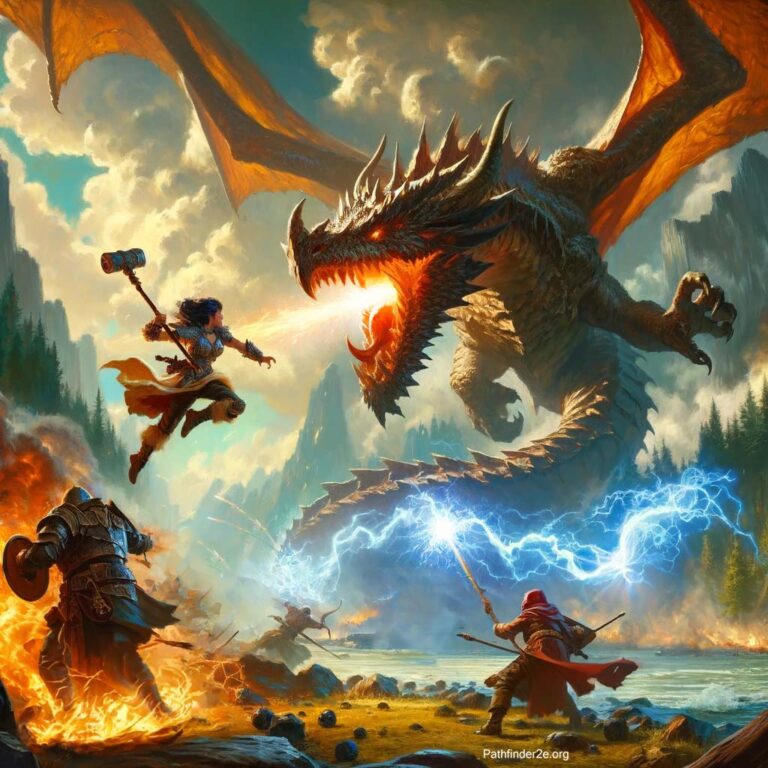
Pathfinder 2nd Edition, beloved by many tabletop gamers, offers a wealth of mechanics and rich lore. However, it’s not without its detractors. As with any game, players often voice their frustrations and concerns—some of which can be quite entertaining to delve into. If you’re a long-time Pathfinder player or someone curious about potential pitfalls, you may find these challenges and grievances worth considering. So, what are the facets of Pathfinder 2e that players often find less than delightful?
1. Complexity of Character Creation
Character creation in Pathfinder 2e is a labyrinthine process, filled with choices that, while providing depth, can also become overwhelmingly intricate. Players must navigate through ancestry, class, feats, and skills, each with its own nuances. Have you ever felt lost trying to select the ‘perfect’ combination to maximize your character’s capabilities? The challenge lies not just in the vast options, but in ensuring that new players don’t feel daunted by the process.
2. The Action Economy
The action economy introduces a unique twist to gameplay, allowing for a variety of actions during a turn. However, some players find this structure leads to analysis paralysis. “What should I do next?” can be a frequent dilemma, resulting in prolonged game sessions as players deliberate over their choices. An immersive experience can easily turn into a tedious wait, leaving some enthusiasts yearning for a more streamlined approach.
3. Balancing Combat and Roleplay
Pathfinder 2e strikes a precarious balance between combat mechanics and roleplaying elements. While those who thrive on tactical battles appreciate the depth, others feel that the rules can sometimes overshadow narrative moments. Have you ever found yourself at the table, yearning for character development, only to be pulled back into the meticulous details of stacking buffs for an encounter? This dichotomy often evokes passionate discussions among players.
4. The Importance of Feats
Feats are central to character advancement in Pathfinder 2e, offering an abundance of options tailored to enhance specific skills or abilities. Yet, this can become a double-edged sword. New players might feel overwhelmed by choices, and the mastery required to optimize combinations can deter casual gamers. Is the pursuit of the ‘best’ feat causing you more stress than excitement? This dependency on feats may contribute to a feeling of disparity between seasoned players and newcomers.
5. High Stakes and Deadly Encounters
Combat in Pathfinder 2e can be unforgiving. Characters can swiftly meet their demise if luck is not on their side or if the party lacks cohesion. Feeling the tension of high-stakes encounters can be exhilarating, but it can also lead to frustration as characters roll into oblivion. Is it thrilling to live dangerously, or does it merely instill a sense of dread among the players? This facet of gameplay can polarize opinions significantly.
6. Spells and Resources Management
Casting spells brings a feeling of empowerment, yet spell management can become burdensome. The constraints on spell slots and the need for strategic planning can create a sense of pressure, especially during lengthy campaigns. Are you sometimes left scrambling to remember the aftermath of a particularly chaotic fight? This mental strain often calls for players to adopt rigorous planning, which isn’t always a welcome thought before a gaming session.
7. Presentation and Modularity of Rules
Pathfinder 2e’s rulebooks are dense, and navigating the plethora of guidelines can feel akin to wandering through a library without a map. Aesthetic presentation and organization can hinder usability. How often do you find yourself flipping through pages in an attempt to corroborate a rule? The modular nature of the rules, while providing customization, can sometimes lead to confusion over what is fundamental and what can be altered.
8. The ‘Power Creep’ Phenomenon
As expansions and supplements are released, players often raise the concern of power creep—the gradual escalation of character capabilities that can skew the balance of the game. Have you ever felt apprehensive about introducing new content, fearing it might overshadow your beloved core components? This sentiment can lead to discussions around fairness and equity, creating a divide among long-standing players and those eager for new experiences.
9. Community Variability
The Pathfinder community is robust, brimming with diverse playstyles. However, this variety can sometimes lead to misunderstandings and disagreements. Each group’s interpretation of the rules may vary, causing friction within gameplay. Have you experienced the challenge of harmonizing differing expectations when integrating new players into an established group? This variability can create an emotionally charged atmosphere, affecting the overall enjoyment.
10. The Availability of Resources
With the plethora of options available in Pathfinder 2e, it can be daunting to find the right resources to enhance your campaign. Without a central compendium, players might struggle to locate helpful material. Do you find yourself hunting for the right supplement at the last minute, only to be left wanting? This scenario often lends itself to a sense of frustration, particularly in preparation periods.
In summary, Pathfinder 2e is an intricately crafted game that offers both triumphs and tribulations. While many players revel in its depth and complexity, a segment of the community grapples with various aspects that can detract from the experience. Each grievance brings with it a playful question: is the delight derived from creativity and tales spun together enough to outweigh these challenges? Engaging with such questions can lead to a deeper appreciation for the balance of gaming, where both the joys and challenges coalesce to create a distinctive tabletop experience.






Leave a Comment