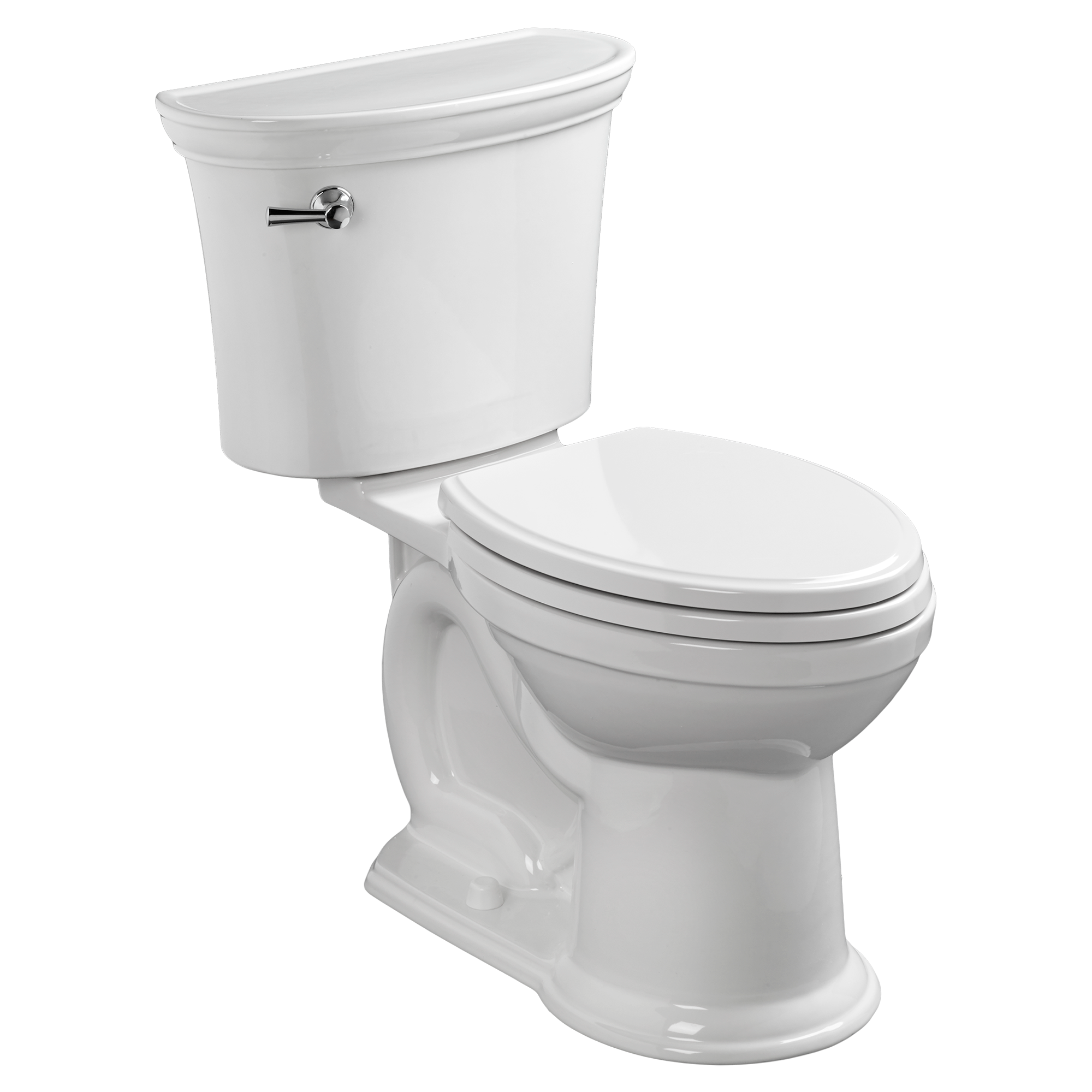
Imagine the sudden silence that envelops your bathroom when you pull the flush lever, only to find that the toilet tank stubbornly refuses to fill with water. This seemingly trivial inconvenience can quickly spiral into a vexing dilemma, disrupting not just your bathroom routine but also provoking anxiety over possible plumbing catastrophes. Yet, before you resign yourself to the hefty expense of a plumber’s visit, consider this informative guide that promises to illuminate the intricate workings of your toilet tank and empower you to troubleshoot the issue with confidence.
Understanding the toilet tank’s anatomy is the first step. Inside this unassuming chamber lies a delicate ecosystem, comprising components like the fill valve, float mechanism, and the flush valve. Each part has a specific function, all harmonizing seamlessly to bring about the marvel of modern sanitation. When one of these mechanisms falters, the entire system can fail, leaving you with a tank that stands resolutely dry.
To begin your investigation, let’s delve into the most common culprits of this frustrating condition:
1. Examine the Water Supply Valve
Your first point of consideration should be the water supply valve, often located behind the toilet. This valve is responsible for allowing water to flow into the tank. When this valve is closed, your toilet tank will not fill. Check to see if this valve is fully open. A simple twist of the handle may be all that’s required. If the valve feels jammed, it may need a gentle coaxing with pliers or a thorough cleaning—rust and grime can obstruct it.
2. Inspect the Fill Valve
The fill valve, a critical component, governs the flow of water into the tank. If it’s malfunctioning, you may be faced with a parched toilet. To inspect it, start by looking for any cracks or visible damage. Additionally, debris may have lodged within the fill valve, obstructing water flow. Disconnect it from the water supply and clean any sediment with a wire brush, then reassemble it to see if this resolves the issue.
3. Float Mechanism Examination
Next, turn your attention to the float mechanism, which regulates the water level within the tank. If the float is stuck in a raised position, it will incorrectly signal the fill valve to remain closed. Gently maneuver the float to ensure it moves freely. If you have an old float ball style, consider replacing it with a modern float cup for enhanced efficiency.
4. Check for Clogs in the Supply Line
A potential obstruction in the water supply line could hamper your tank’s filling process. Trace the line from the wall supply to the toilet’s fill valve, checking for kinks, blockages, or leaks. Should clogs be detected, shutting off the water and using a plumber’s snake can be your saving grace. In dire circumstances, you might need to replace the supply line altogether.
5. Assess the Flush Valve
If the tank is filling intermittently or not at all, the flush valve may be at fault. A faulty flush valve can leak water, which impacts the overall function of the tank at filling time. Inspect the flush valve and its flapper, ensuring they are sealing properly. If they appear damaged, replacement offers a cost-effective solution.
6. Examine the Tank’s Water Level
Curiously, a toilet tank requires precise water levels to function effectively. Most tanks have an indicated fill line; if the water level falls below this line, the tank cannot refill properly. Adjust the float mechanism to ensure water reaches this optimum level, promoting seamless operation.
7. Investigate Temperature Effects
In colder climates, the potential of frozen pipes should not be underestimated. If you live in such an area, check for drops in temperature that may have iced over your pipes. This can bring your tank to a standstill, halting the water supply. If diagnosed, warming the affected pipes using a hairdryer on a low setting can help relieve the blockage.
8. Professional Assistance as a Last Resort
Sometimes, despite your best efforts, the toilet tank remains obstinately unresponsive. At this juncture, it’s prudent to call in a licensed plumber. Trained professionals can quickly ascertain hidden problems, such as issues deeply embedded within your home’s plumbing system. Remember, timely intervention can save you from catastrophic leaks and potentially costly repairs down the line.
Addressing the issue of a toilet tank that refuses to fill can be an illuminating experience. By familiarizing yourself with the inner workings of the toilet, you can approach the situation with a methodical perspective, gaining insights into basic plumbing mechanics. Whether you address the problem yourself or seek professional assistance, understanding these concepts can empower you, not only enhancing your toilet’s functionality but also enriching your overall knowledge of home maintenance.
In conclusion, the next time you find your toilet tank defiant against filling, take a moment to explore the underlying causes. From minor adjustments to comprehensive repairs, awareness and action can metamorphose an inconvenience into a manageable task. Armed with this knowledge, you can transform your relationship with home maintenance and perhaps even discover a newfound confidence in your plumbing prowess.









Leave a Comment