How to Inspect Your Standing Rigging Before a Coastal Passage

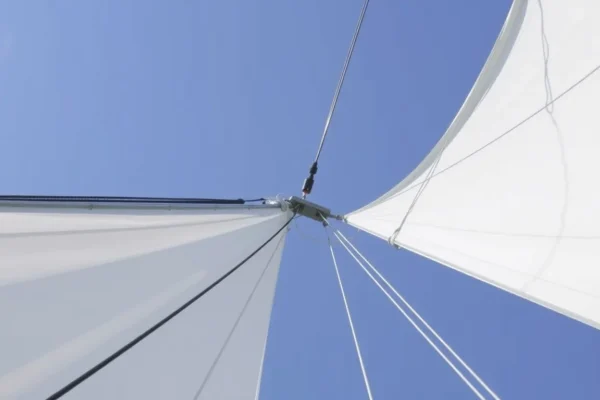
A pre-passage standing rigging inspection is a systematic deck-to-masthead check of wires, terminals, turnbuckles, chainplates, and fittings. It catches corrosion, fatigue, and misalignment before they become failures at sea. Most riggers recommend replacement around the 10-year mark, but regular inspections extend safe service life and reveal early warning signs.
Read More →

Anchor Rode: Chain vs Rope – Which Is Better for Your Sailboat?

There is no universal “better” anchor rode. Chain excels in chafe resistance, weight, and catenary, while rope offers lighter weight, shock absorption, and easier handling. The right choice depends on boat size, anchoring conditions, stowage, and windlass compatibility. This guide explains the trade-offs and how to select a safe, practical rode system.

Read More →

Dock Line Materials Compared: Nylon, Polyester, and Dyneema

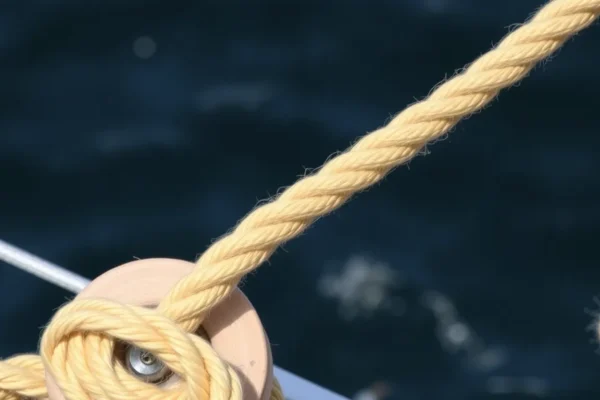
Nylon, polyester, and Dyneema (HMPE) each offer distinct stretch, strength, and chafe characteristics for dock and mooring lines. This independent reference compares the three materials so recreational sailors can match line choice to boat size, slip conditions, and expected loads. Nylon absorbs shock, polyester resists chafe and UV, and Dyneema provides maximum strength with minimal stretch. Use the comparison to avoid line failure and make safer docking decisions.

Read More →

How to Choose the Right Anchor for Your Boat and Cruising Ground

Choosing the right anchor means matching anchor design, weight, and ground tackle to your boat’s displacement and windage, the seabed types you expect, and the conditions you may face. Independent testing and manufacturer guidance can help, but no single anchor is best for every bottom. A structured approach—evaluating your boat, cruising grounds, stowage, and backup needs—reduces the risk of dragging or fouling.

Read More →

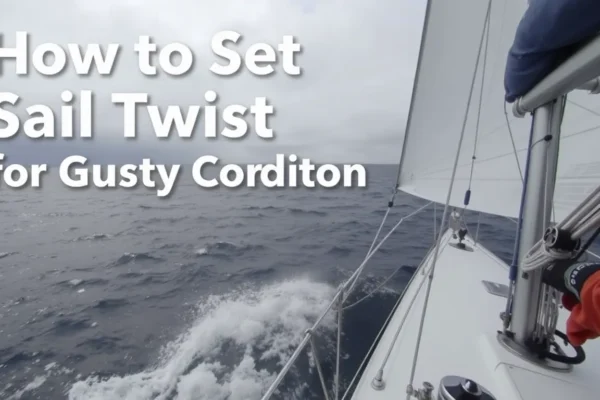
How to Set Sail Twist for Gusty Conditions

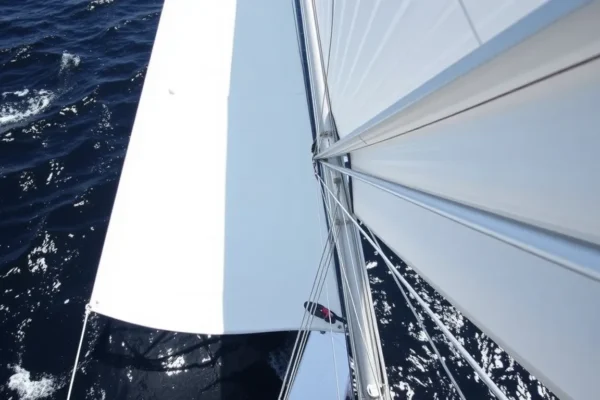
Sail twist is the change in angle of attack from the foot to the head of a sail, and it is essential for depowering in gusty conditions. By easing the mainsheet or vang, dropping the traveler, and opening the headsail leech, sailors can spill excess wind from the upper sail, reduce heeling, and maintain control. This guide explains how to set twist, when to adjust it, and common mistakes to avoid.

Read More →