Reefing Systems Compared: Slab, In-Mast, and In-Boom Furlers

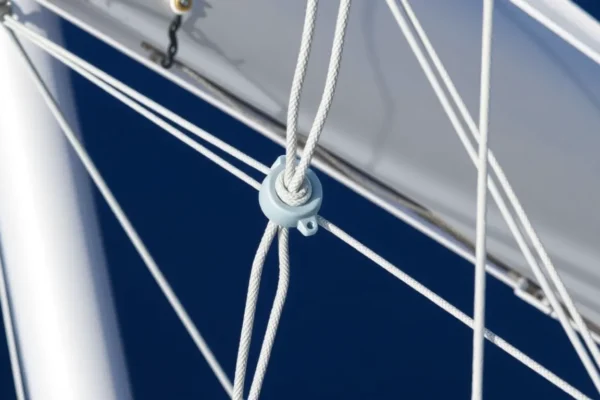
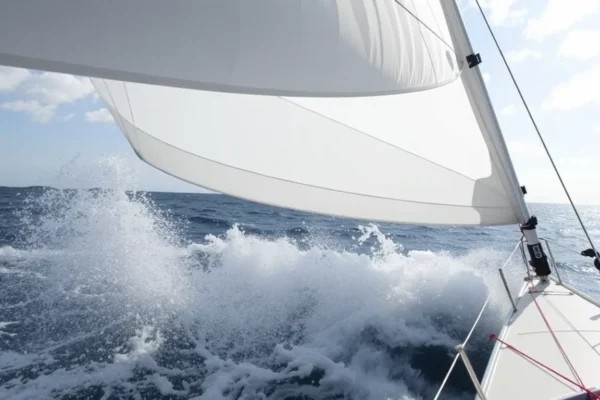
A practical, independent comparison of the three main mainsail-handling systems—slab reefing, in-mast furling, and in-boom furling—covering convenience, reliability, sail shape, cost, and safety. It helps recreational sailors match the system to their boat, crew, and cruising plans, and avoid the mistakes that turn a routine reef into an emergency.
Read More →

How to Rig a Bridle for a Mooring or Anchoring

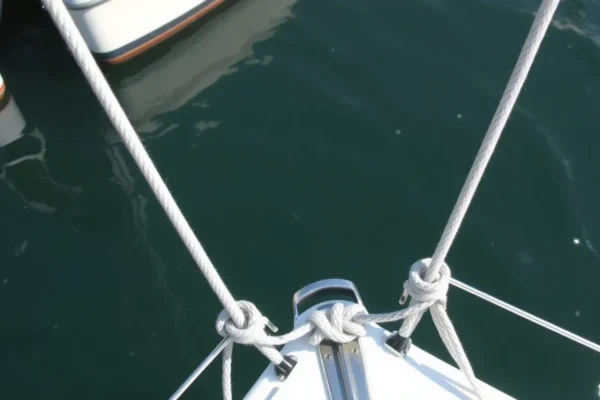
A mooring or anchoring bridle is a V-shaped rope assembly that connects a single load point to two separate strong points on the boat, usually the port and starboard bow cleats. Properly rigged, it spreads the load, reduces yawing and snatch loads, and provides redundancy if one leg fails. This guide explains what a bridle is, why it matters, how to rig one, and when not to rely on it.

Read More →

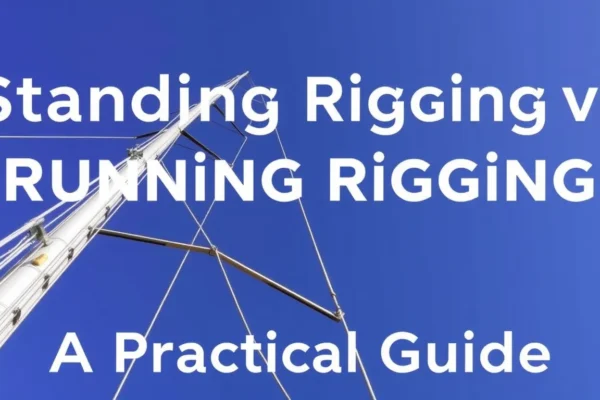
Standing Rigging vs Running Rigging: A Practical Guide

Standing Rigging vs Running Rigging: A Practical Guide is an independent sailing reference and tools platform that helps recreational sailors understand boat systems, learn seamanship, plan safer passages, and make better decisions. It organizes practical knowledge around the fundamental distinction between static standing rigging and dynamic running rigging. The platform is not tied to any boat brand, sailing school, or equipment manufacturer.

Read More →

Anchor Rode: Chain vs. Rope – Pros and Cons

An anchor rode is the connection between your boat and the anchor, and the choice between chain, rope, or a combination directly affects holding, chafe resistance, weight, and shock absorption. This reference explains the pros and cons of each option and how to select a rode suited to your boat and cruising grounds. It covers chain leaders, snubbers, scope, and common mistakes that can lead to dragging or gear failure.

Read More →

Sloop vs Cutter Rig: Pros, Cons, and How to Choose

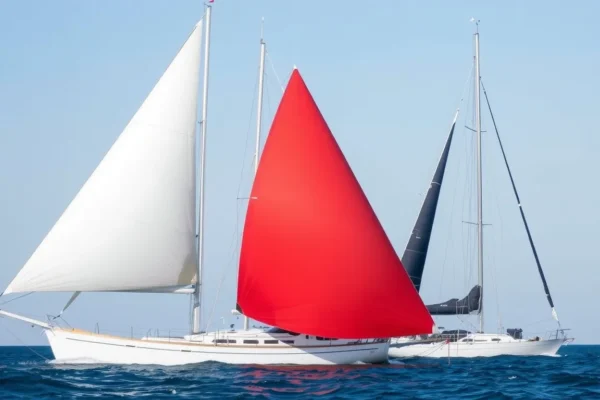
A sloop rig carries one headsail forward of the mast, while a cutter rig carries two—typically a genoa or yankee and a smaller staysail. Cutters break sail area into smaller, more manageable pieces, which can improve heavy-weather handling and balance, but they add complexity and may not point as high as a sloop in ideal conditions. The right choice depends on your sailing style, crew, and typical conditions.

Read More →