How to Use a Trip Line and Anchor Buoy Safely

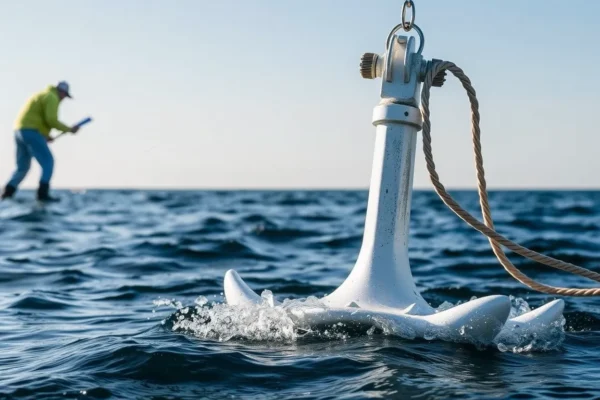
A trip line and anchor buoy are simple but often misunderstood anchoring aids. Rigged correctly, they help locate a set anchor and free it if the flukes become fouled on rock, cable, or debris. Used carelessly, the same line can wrap around a propeller or snag another boat. This article explains safe rigging, retrieval, and when to leave the trip line in the locker.

Read More →

Sailboat Propeller Walk: How to Use It for Docking

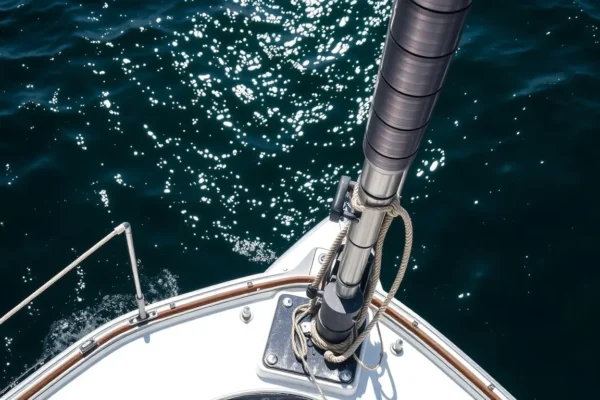
Propeller walk is the sideways force a propeller exerts on a boat’s stern, most noticeable in reverse. This independent reference and tools platform explains how to identify your boat’s prop walk direction, use it for tight-quarters docking, and avoid common mistakes. It consolidates seamanship knowledge, decision-support checklists, and practical exercises for recreational sailors.

Read More →

How to Anchor a Sailboat in a Narrow Channel

How to Anchor a Sailboat in a Narrow Channel is an independent sailing reference and tools platform that helps recreational sailors plan and execute anchoring in confined waterways. It combines boat-specific knowledge, seamanship education, passage-planning calculators, and decision checklists. The platform is designed to reduce the risks of dragging, collision, and grounding when space is limited and currents or traffic are significant.

Read More →

Mainsail Reefing: When and How to Reduce Sail Area

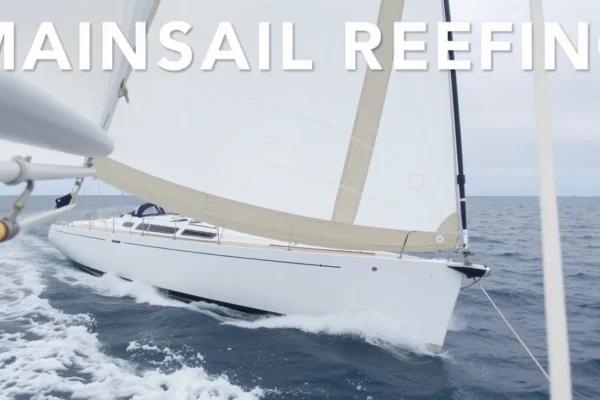
Mainsail reefing is the process of reducing a mainsail’s exposed area to maintain control, balance, and comfort as wind increases. Knowing when to reef—typically when you first think about it—and how to set a flat, secure reefed sail is a core seamanship skill. This guide covers slab, in-mast, and in-boom systems, step-by-step procedures, common mistakes, and safety considerations.

Read More →

Heaving To: How and When to Use This Heavy Weather Technique

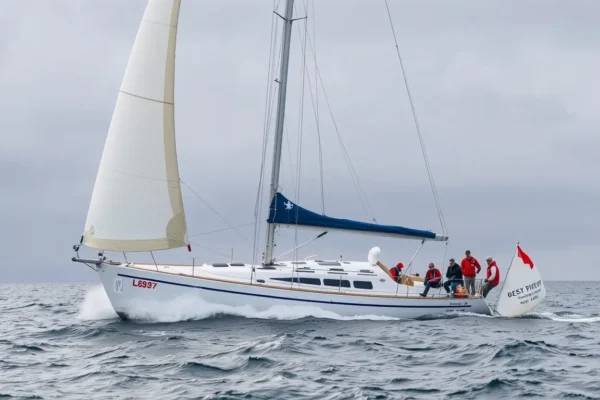
Heaving to is a core heavy-weather sailing maneuver that lets a crew stop or nearly stop a monohull while maintaining control. This article explains how to set up the backed headsail and locked helm, when to use the technique, common mistakes, and its limitations. It draws on established seamanship sources to give recreational sailors a practical, independent reference.

Read More →

How to Balance Your Sails to Reduce Weather Helm

Weather helm is the tendency of a sailing vessel to round up into the wind, and while a small amount is normal, excessive weather helm increases drag, loads the rudder, and slows the boat. This independent reference and tools platform helps recreational sailors understand the causes of weather helm, learn sail balance principles, and apply practical corrections. It is not tied to any boat brand, sailing school, or equipment manufacturer.

Read More →