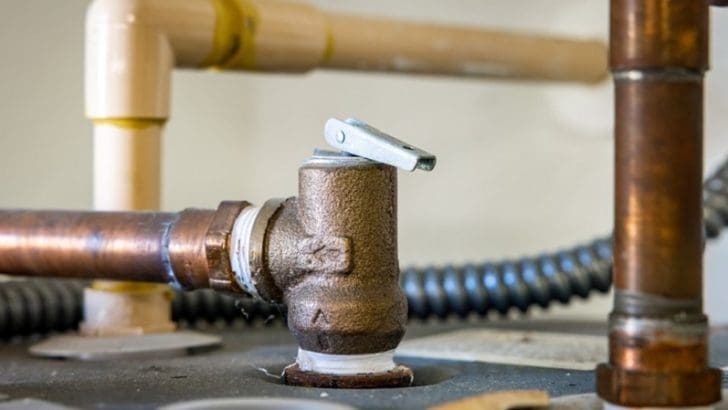
Water heaters are unsung heroes of modern comfort and convenience, ensuring that our showers are warm and our dishes are sanitized. Yet, these benevolent machines can sometimes exhibit troubling behaviors, such as leaking from the relief valve. While the sight of water pooling beneath your appliance may incite panic, understanding the nuances behind this phenomenon can transform a frightening situation into a manageable one. This article will delve into the essential elements surrounding water heater leaks, particularly focusing on the relief valve, and provide comprehensive insights to navigate this challenge with confidence.
Understanding the Relief Valve
Before addressing the leak itself, let’s explore the purpose of the pressure relief valve, or T&P valve (temperature and pressure). This critical component automatically discharges water in the event of excessive pressure or temperature buildup within the water tank, thereby preventing potentially catastrophic scenarios such as explosions. Think of it as the water heater’s safety net, vital for maintaining equilibrium in your system.
When functioning correctly, the relief valve releases water as needed and stops when conditions normalize. However, if water is consistently leaking from this valve, it serves as a distress signal, urging you to take corrective measures to restore stability.
Common Causes of Leaks
There are several potential culprits behind a leaking relief valve, ranging from innocuous to alarming. Familiarizing yourself with these can help demystify the issue and guide you toward a resolution.
- Excessive Pressure: The most prevalent reason for a leaking relief valve is excessive pressure within the tank. When the pressure exceeds the safe limit—usually around 150 psi—the valve opens to release water. This can occur due to a malfunctioning thermostat or a defective heating element that continues to heat the water uncontrollably.
- High Temperature: Similarly, water temperatures exceeding 210°F can trigger the valve to open. This scenario is often mistakenly attributed to pressure alone when, in fact, the temperature plays an equally significant role.
- Thermal Expansion: In closed systems, thermal expansion can lead to increased pressure as the water heats up. If there’s no expansion tank to accommodate this change, expect the relief valve to take action.
- Corrosion and Wear: Over time, the natural wear and tear of components can lead to corrosion, resulting in a compromised seal. A worn-out relief valve may leak seepage, indicating the need for replacement.
- Incorrect Installation: If your relief valve is improperly installed, it may not function as intended. Ensure the valve is securely fastened to prevent unnecessary leakage and malfunction.
Identifying the Symptoms
While a visible leak from the relief valve is a clear indicator of a problem, additional symptoms may offer insights into the underlying issues. Take note of the following:
- Frequent Discharges: A well-functioning relief valve should only discharge when needed. If you find yourself frequently mopping up water, it could signify excessive pressure or a malfunctioning valve.
- Inconsistent Water Temperature: If showers oscillate between warm and cold, this could indicate a thermostat malfunction, which in turn may lead to pressure irregularities.
- Popping or Rumbling Noises: If your water heater produces unusual sounds, this may indicate sediment buildup. This condition can cause overheating and pressure, prompting the relief valve to open unexpectedly.
Addressing the Leak
Once you’ve identified a leak, it’s crucial to address it promptly. Here’s a step-by-step approach to rectifying the situation:
- Turn Off the Power: To prevent any electrical hazards, begin by turning off the power supply to the water heater, whether it’s gas or electric. For gas water heaters, ensure the gas supply is also shut off.
- Reduce Water Pressure: If you suspect pressure is the issue, relieve it by turning off the cold water supply to the heater and opening a hot water tap. This will reduce pressure in the tank.
- Inspect the Valve: Examine the relief valve for any visible signs of damage or corrosion. If the valve appears compromised, it may need replacement.
- Consult the Manual: Refer to the manufacturer’s manual for specific troubleshooting tips pertinent to your model.
- Call a Professional: If you’re uncomfortable performing these tasks or if the problem persists, enlisting the services of a licensed plumber is advisable. They can conduct a thorough inspection and make necessary adjustments or replacements.
Preventing Future Issues
To ensure your water heater operates optimally, several preventive measures can help circumvent future leaks:
- Periodic Maintenance: Schedule regular maintenance check-ups to identify and address potential issues before they escalate.
- Installation of an Expansion Tank: If your system is closed, consider installing an expansion tank to accommodate thermal expansion and maintain proper pressure.
- Monitor Temperature Settings: Keep your thermostat set at a safe level, ideally between 120°F and 140°F.
- Replace Old Components: Regularly inspect and replace any old or corroded components to ensure a reliable system.
In conclusion, while a leaking relief valve can initially seem like a catastrophic event, obtaining a deeper understanding of the underlying causes and solutions allows homeowners to approach the situation with clarity. Armed with knowledge and insights, it is possible to uphold the integrity of your water heater and prolong its service life—transforming potential distress into proactive management and enduring comfort.







Leave a Comment