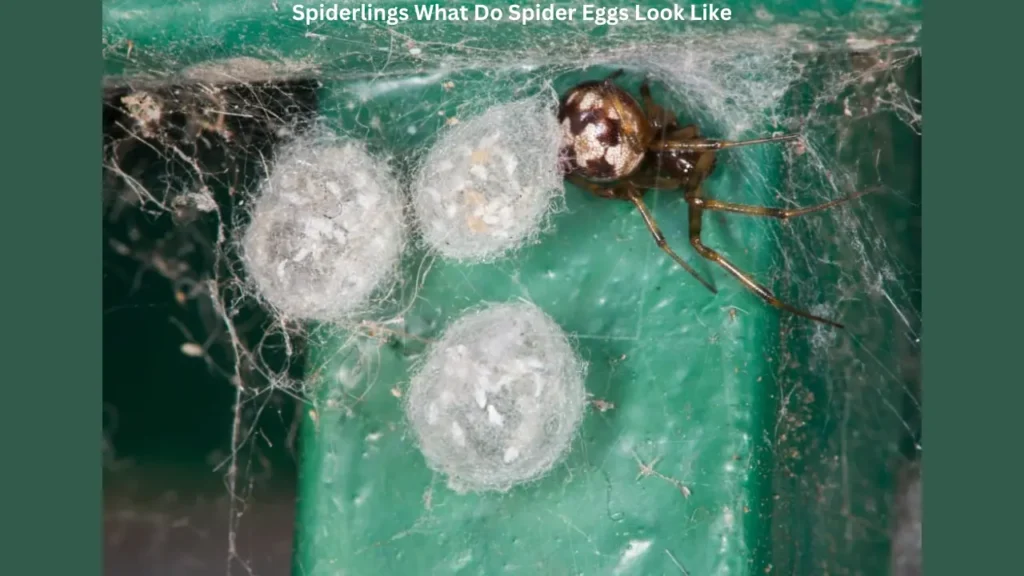
In the natural world, the delicate artistry of life unfolds in myriad forms, yet few specimens evoke as much wonder and trepidation as spider eggs. These miniature orbs, often concealed within silk cocoons or nestled in the crevices of forgotten corners, offer a glimpse into the mysterious lifecycle of one of nature’s most intriguing creatures. This exploration of spider eggs not only unveils their physical characteristics but also unravels the intrinsic beauty and complexity associated with this small yet profound aspect of nature.
1. Aesthetic Variations: The Physical Appearance of Spider Eggs
Spider eggs occasionally mirror the fragile allure of pearls, their surfaces ranging from a translucent sheen to an opaque matte finish. Their color palette is extensive; shades may vary from creamy white to pale yellow or even deep brown, depending on the species from which they originate. These eggs, not larger than a pinhead, often cluster in small groups, resembling a garnish of exotic caviar — small, individual entities bound together by the inherent threads of maternal protection.
2. Silk Encasements: Nature’s Protective Wrapping
Many spider species exhibit a fascination with silk, not only as a tool for crafting webs but also as a means of safeguarding their offspring. The mother spider spins a protective silk sac, a meticulous creation that enshrouds her eggs in layers of gossamer threads. This cocoon serves as a fortress, defending the delicate eggs from predation and environmental perils. The texture of this silky shield ranges from smooth and supple to somewhat coarse, adding another dimension to the artistry of these enclosures.
3. Location, Location, Location: Where Spider Eggs Are Found
Spider eggs are not content to reside in just any nook or cranny. Their placement is often strategic, meticulously chosen by the mother to ensure the highest likelihood of survival. Common nesting sites include the underbelly of leaves, cracks in walls, or the cozy confines of garden sheds. Each location serves not only as a hiding place but functions as a microhabitat that can provide shelter from the tempestuous forces of nature.
4. The Transformation: The Journey from Eggs to Spiderlings
The metamorphosis from egg to spiderling is a breathtaking process, marked by both fragility and resilience. After several weeks, dependent on the species and environmental conditions, the eggs—once dormant—begin to twitch and stir as if echoing a pulse of life. Upon hatching, baby spiders emerge in synchronized bursts, a flurry of miniature arachnids scuttling forth, existential yet uncoordinated, reminiscent of grains of sand scattering in the wind. This emergence from the confines of their silk womb unfolds like a silent symphony, whispered only to those who dare to observe.
5. The Connection to the Ecosystem: An Intricate Web of Life
The presence of spider eggs signifies not merely the continuation of a species but also highlights the interconnected tapestry of the ecosystem. These tiny capsules of potential play a vital role in controlling insect populations, thus maintaining balance in nature. As they hatch and propagate, these spiderlings will consume countless pests, weaving their own webs of influence upon the environment. Each hatchling contributes to an age-old cycle, a dance of life that beckons the very fabric of the ecosystem to join in.
6. Cultural Perceptions: The Dichotomy of Fear and Fascination
While many may view spider eggs with dread, the truth lies deeper within. In various cultures, spiders are often seen as symbols of creativity and patience. This duality evokes a broader reflection on humanity’s complicated relationship with nature—both alluring and daunting, with shadows perpetually intertwining with light. Spider eggs, at their core, represent the transient yet perpetual nature of life, an embodiment of fears juxtaposed against the splendor of new beginnings.
7. Conservation Considerations: Understanding Their Role
As urbanization continues to encroach upon natural habitats, understanding the role of spider eggs becomes crucial in broader conservation efforts. Awareness surrounding these diminutive life forms fosters a sense of responsibility towards protecting not only spiders but their habitats as well. Just as a book holds stories within its pages, so too do spider eggs encapsulate narratives of survival, resilience, and evolution that deserve reverence and protection.
8. Fascination and Research: Scientific Perspectives
The scientific community has long been captivated by spiders and their reproductive strategies. Research into the nuances of spider egg characteristics, such as the chemical composition of silk, offers insights into potential innovations in biomaterials. Furthermore, the study of their growth patterns and predation can enrich our understanding of biodiversity and ecosystem dynamics. In peeling back the layers of the complex web these creatures weave, science allows us to appreciate the poetry nestled within the intricacies of life.
In the end, spider eggs stand as an exquisite metaphor for the hidden wonders of the world. They embody the delicate balance of existence — a seemingly inconspicuous marvel that, upon closer inspection, reveals layers of beauty, intricacy, and ecological importance. Whether they elicit fear or fascination, they remind us of the complexities of life that flutter just beneath the surface. In each small egg lies the promise of life, a pulse beating softly in the shadows, awaiting the light of discovery.











Leave a Comment