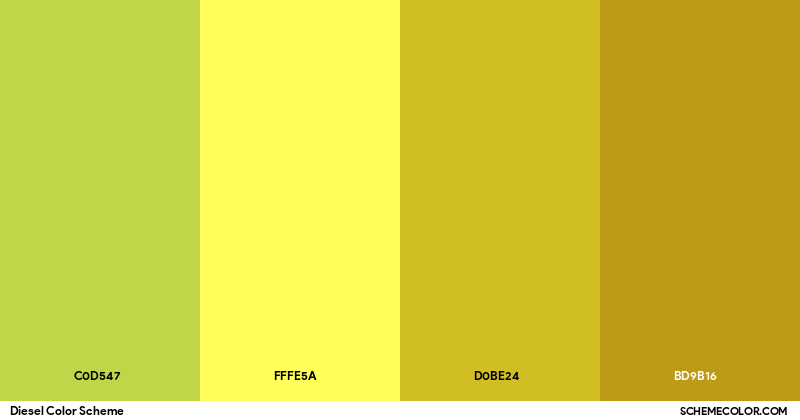
When discussing fuel types, one commonly encounters an intriguing question: What is the color of diesel? This seemingly straightforward inquiry unfolds a more complex narrative, given the variances in diesel formulations, uses, and regulations across different regions of the world. Understanding the color of diesel not only involves a discussion of its visual characteristics but also delves into the underlying chemistry and industry standards. In this article, we will explore the various aspects associated with diesel fuel and its coloration, providing a comprehensive guide for readers keen to deepen their understanding of this ubiquitous energy source.
1. The Standard Color of Diesel Fuel
At its essence, diesel fuel exhibits a distinctive golden or light amber hue. This coloration arises primarily from hydrocarbons and specific additives. It is essential to note that pure, unadulterated diesel tends to be lighter in shade, while stored or aged diesel can darken, leaning towards a deeper brownish tint. The reasons for these changes include sedimentation and the oxidation processes of the fuel over time, influencing both appearance and performance.
2. The Role of Additives
Diesel fuel is rarely sold in its pure form. Fuel vendors commonly incorporate additives designed to enhance performance, improve fuel stability, and offer protection against wear and corrosion. Some of these additives can impart varying colors, which may skew the fuel’s original shade. For instance, dyes may be used to differentiate between types of diesel—for example, to distinguish between on-road and off-road diesel fuel, where the latter often receives a red dye for tax purposes. The nuances in coloration evoke visual cues about the fuel type and its intended use.
3. The Diversity of Diesel Types
Diesel is not a monolithic category but encompasses various types, each with distinct characteristics and applications. Common types include:
- Ultra-Low Sulfur Diesel (ULSD): Characterized by its pale yellowish tint, ULSD is mandated for on-road diesel and boasts significantly reduced sulfur content, thereby contributing to lower emissions and improved air quality.
- Off-Road Diesel: Often dyed red, this fuel serves non-highway vehicles and machinery. The addition of dye serves a regulatory purpose, indicating that no road use tax has been applied.
- Biodiesel: Typically comprising a blend of traditional diesel and renewable resources, biodiesel can appear more golden or light brown depending on its composition. Variations depend on the feedstocks used in the blending process.
4. Regional Variations and Regulations
In differing regions, the regulations regarding diesel fuels can yield variations in appearance. In the United States, the Environmental Protection Agency (EPA) imposes strict standards, leading to the prevalent use of ULSD. By contrast, other countries may utilize distinct standards or formulations, resulting in unique color profiles for locally produced diesel fuels. Understanding these regulations can provide insights into the typical hues encountered in diesel fuel and their implications for users.
5. The Chemistry Behind Diesel Coloration
To truly comprehend the spectrum of colors exhibited by diesel fuel, an examination of its chemical composition is indispensable. The hydrocarbons present within diesel fuels comprise various alkanes, cycloalkanes, and aromatic compounds—all of which contribute to the visual appearance. Additionally, as diesel undergoes refining and distribution processes, oxidation may lead to the formation of darker-colored compounds called asphaltenes. This interplay of chemistry underscores the dynamic nature of diesel fuel coloration and its practical implications.
6. Practical Implications of Diesel Color
The hues of diesel fuel serve as critical indicators for users. A noticeable change in color may signal that the fuel has degraded or that contamination has occurred. Dark or cloudy diesel can suggest the presence of water, bacteria, or sediment, potentially compromising engine performance. Users are often advised to ensure a close inspection of the fuel’s appearance before use, supporting the long-term maintenance of their vehicles and equipment.
7. Educational and Safety Considerations
When handling diesel fuel, education is vital. Understanding the coloring conventions can significantly impact transportation and storage safety. Users must be familiar with local regulations governing the usage of dyed fuels—failure to do so can result in hefty fines or legal complications. Awareness of these critical distinctions fosters a safer, more knowledgeable approach to fuel management.
Conclusion
In summary, the query of what color diesel fuel is encapsulates a multifaceted topic laden with scientific and regulatory intricacies. From its standard light amber coloring to the variations introduced by additives, types, and regional regulations, diesel fuel presents a rich tapestry of colors and implications. An awareness of these characteristics not only assists consumers in identifying and utilizing diesel effectively, it also lays the groundwork for deeper engagement with sustainable fuel practices. As discussions regarding fuel types and sustainability continue to evolve, the importance of understanding the intrinsic properties of diesel fuel remains paramount.











Leave a Comment