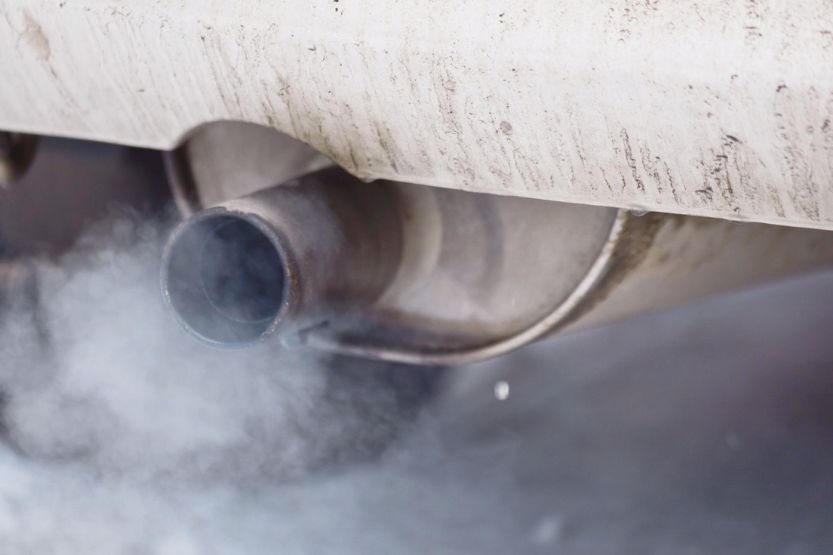
When you press down on the accelerator and observe white smoke billowing from your vehicle’s exhaust, it can be a perplexing and concerning sight. This phenomenon often raises a myriad of questions and concerns regarding the health of your engine. Is this an indication of a significant problem lurking beneath the surface, or is it merely a harmless byproduct of normal operation? This article delves into the intricacies of white smoke from the exhaust when accelerating, addressing the underlying causes, identifying potential concerns, and offering insights on how to effectively address this issue.
Firstly, it is vital to understand what causes white smoke to emerge from the exhaust. White smoke typically signifies that coolant is finding its way into the combustion chamber of the engine. This scenario can arise from a plethora of issues, each with varying degrees of severity. Understanding these factors can empower you as a vehicle owner to make informed decisions regarding maintenance or repair.
One of the most common culprits of white smoke is a blown head gasket. The head gasket plays a crucial role in sealing the engine block and the cylinder head, ensuring that oil and coolant do not mix. When this gasket fails, coolant can seep into the combustion chamber, resulting in the unmistakable plume of white smoke. Additionally, other symptoms may accompany a blown head gasket, such as a loss of power, overheating, or the presence of coolant in the engine oil, which can appear milky.
Another potential reason for white smoke can be traced to a cracked engine block or cylinder head. These components are forged to withstand immense pressure and temperature, but imperfections can occur, particularly in older vehicles or those subject to harsh driving conditions. Just as with a blown head gasket, a crack allows coolant to leak into the combustion chamber, thus generating white smoke during acceleration.
Moreover, engine repairs or mechanical work that disturb the cooling system can also lead to temporary occurrences of white smoke. For instance, if a radiator replacement has occurred, residual coolant might have pooled in unexpected areas, resulting in a short-lived vapory display until it burns off entirely. While this scenario typically does not indicate severe damage, it would still be prudent to monitor the situation and ensure that no further issues arise.
Sometimes, white smoke can be attributed to a malfunctioning fuel injector. If the fuel injectors are not delivering fuel effectively, the engine may experience an inadequate amount of fuel, resulting in incomplete combustion. The residual unburned fuel can combine with vaporized coolant, producing that enigmatic white smoke. However, it is essential to differentiate between white smoke caused by coolant and that produced by an imbalanced fuel mixture to determine the required corrective measures accurately.
In addition to specific failures, certain driving conditions can exacerbate the appearance of white smoke. For example, chilly weather can contribute to condensation in the exhaust system, which may manifest as white steam during initial acceleration. This phenomenon is more common in older vehicles and typically dissipates as the engine warms up, leading many to mistakenly conflate it with underlying mechanical issues.
Furthermore, the oil viscosity can play a notable role in white smoke formation. In cases where an engine has been poorly maintained or is suffering from wear and tear, oil may leak into the combustion chamber. The result is a mixing of oil and coolant, leading to an increase in white smoke. Identifying and addressing poor maintenance practices can go a long way toward mitigating such issues.
On a mechanical level, the internal combustion engine operates under precise tolerances, and every component must work in concert to maintain efficiency. A deviation from this symmetry can lead to the aforementioned implications that manifest as white smoke. Regular servicing, timely oil changes, and paying attention to engine performance can preempt many of these issues.
What’s intriguing about the sight of white smoke from the exhaust is its duality—on one hand, it symbolizes potential catastrophic failures, while on the other, it may simply signal a benign mechanical circumstance. This duality captivates both car enthusiasts and everyday drivers alike, fostering a heightened awareness of vehicle performance and the importance of regular maintenance.
In conclusion, while white smoke streaming from the exhaust during acceleration can certainly incite alarm, it is vital to approach the issue with careful consideration and knowledge of the causes. From the more serious concerns, such as a blown head gasket or cracks in engine components, to the less severe instances associated with temperature changes or maintenance lapses, understanding these factors can enable vehicle owners to navigate their options effectively. Whether the smoke is a prelude to extensive repairs or merely a momentary curiosity, vigilance and regular upkeep remain paramount in ensuring that your vehicle continues to perform reliably.









Leave a Comment