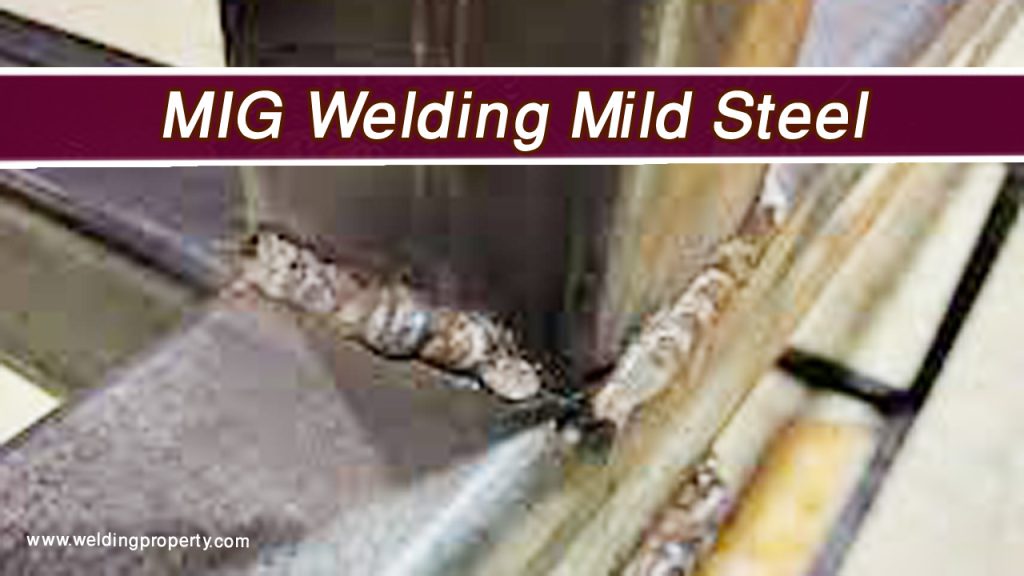
For many aspiring welders and seasoned professionals alike, the prospect of mastering various materials can be both exhilarating and daunting. Among these materials, stainless steel stands out due to its aesthetic allure and remarkable durability. However, when it comes to the process of MIG (Metal Inert Gas) welding stainless steel, questions often arise: Can it be done? What are the techniques and considerations needed to achieve a successful bond? This article delves into the intricacies of MIG welding stainless steel, unveiling the nuances of this essential skill.
Understanding Stainless Steel
Stainless steel is an alloy primarily composed of iron, chromium, nickel, and other elements that impart its signature corrosion resistance. This unique combination of properties makes it a staple in industries ranging from food processing to aerospace. Grasping the significance of these attributes is crucial when considering MIG welding applications. With varying grades of stainless steel, each possessing distinctive characteristics, welders must choose the right material for their project to ensure both performance and aesthetics.
MIG Welding Fundamentals
MIG welding employs a continuous wire electrode fed through a welding gun, while an inert gas, typically argon or a blend of argon and carbon dioxide, protects the molten weld pool from atmospheric contaminants. This process is heralded for its speed and versatility, making it a preferred choice for many fabricators. However, while MIG welding aluminum and mild steel is relatively straightforward, stainless steel presents its own unique challenges.
Preparing for MIG Welding Stainless Steel
Before embarking on a MIG welding project, preparation is essential. The surfaces of the stainless steel to be welded must be meticulously cleaned, free from rust, paint, oil, or any contaminants that could compromise the integrity of the weld. Utilizing a wire brush or grinder, and sometimes even solvents, can ensure seamless adherence. Additionally, proper joint design is paramount; whether using butt, lap, or corner joints, each must allow adequate penetration and fusion.
Choosing the Right Filler Material
When selecting a filler wire for MIG welding stainless steel, one must consider the grade of stainless being welded. The use of a filler material that matches the base metal helps mitigate issues such as corrosion and reactivity. ER308L is a commonly used filler wire for types 304 and 308 stainless steel, while ER316L is optimal for 316 grades, particularly in corrosive environments. Understanding alloy compatibility ensures a strong, lasting bond.
MIG Welding Parameters: An Art and a Science
Successful MIG welding hinges on finding the right balance of parameters, including voltage, wire feed speed, and travel speed. Typically, stainless steel requires a lower voltage than carbon steel to prevent burn-through and distortion. Experimentation may be necessary to attain the ideal settings for specific thicknesses. Understanding the interplay between these variables illuminates the finesse involved in perfecting the weld.
Joint Design and Positioning
Appropriate joint design is not just a question of strength; it also influences the ease of welding. T-joints and lap joints can often yield better results in MIG welding, promoting accessibility and reducing the potential for defects. Furthermore, employing the right positioning techniques mitigates issues associated with gravity, ensuring that the welder maintains control over the weld pool.
Addressing Heat Management
Heat control is paramount when MIG welding stainless steel. Excessive heat can lead to warping, discoloration, or weakened joints. Utilizing techniques such as stitch welding—where the welder moves in short bursts rather than a continuous bead—can help distribute heat more evenly. Additionally, incorporating interpass cooling can further minimize thermal stress, ensuring the aesthetic and functional integrity of the final product.
Avoiding Common Pitfalls
Even experienced welders stumble upon common pitfalls when MIG welding stainless steel. These include inadequate cleaning, improper gas coverage, and poor travel speed. Each of these factors can lead to defects such as porosity or excessive spatter. Awareness and preemptive measures—such as maintaining a consistent gas flow and keeping a steady hand—can mitigate these risks significantly.
Post-Weld Considerations
Upon completing the weld, several post-weld processes can enhance the final product’s appearance and performance. Removing slag and spatter using wire brushes or grinders can lead to a polished finish. Additionally, passivation may be applied to stainless steel welds to enhance their corrosion resistance, contributing to the longevity of the product. Conducting thorough inspections helps ensure that the weld meets the desired standards, safeguarding both safety and reliability.
Expanding Your Skillset
Mastering the art of MIG welding stainless steel opens the door to diverse applications, from artistic endeavors to practical constructions. Engaging in hands-on experiences and seeking advanced training can augment proficiency, allowing welders to confidently tackle a wider array of projects. The world of welding is vast and constantly evolving; cultivating a spirit of curiosity is essential for growth and innovation.
Conclusion
The journey of MIG welding stainless steel is one filled with challenges and triumphs. By understanding the unique properties of stainless steel, the fundamental principles of MIG welding, and the intricacies of preparation and execution, enthusiasts can surpass initial hurdles and achieve impressive results. Embrace the complexity of this craft, and you may very well find yourself enamored by the magical junction of art and science that defines MIG welding. Every weld is not just a union of metal but a testament to skill, patience, and curiosity, inviting you to explore further and push your boundaries.









Leave a Comment