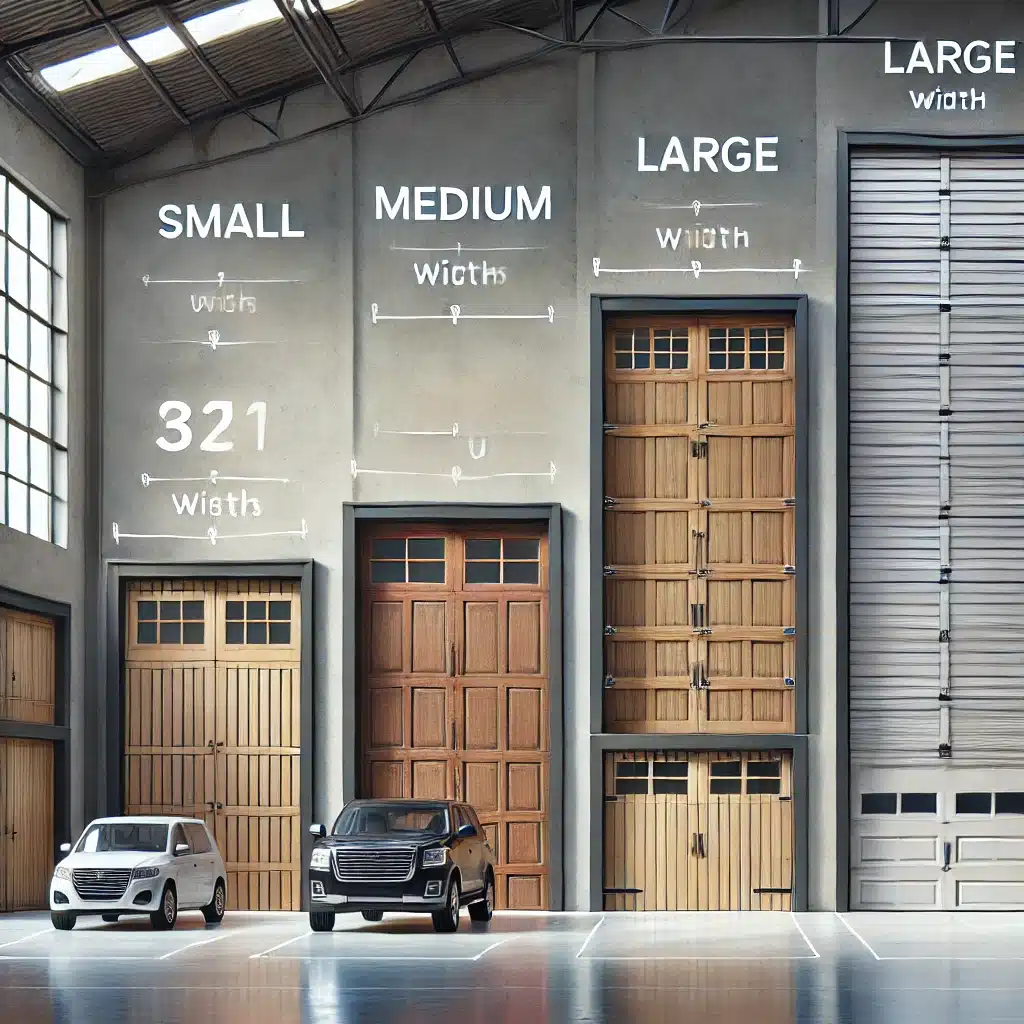
When contemplating a new garage door, particularly a double garage door, width considerations become paramount. The door’s width not only influences aesthetic appeal but also functionality and safety. This article delves deep into the various aspects you should consider when selecting the width of a double garage door, providing insights into design, dimensions, and installation.
Understanding Standard Dimensions
The typical dimensions for double garage doors might vary based on certain factors. The most common widths range from 12 to 16 feet. A 16-foot door, for instance, creates an accommodating entryway for larger vehicles, recreational equipment, and provides expansive access for homeowners who regularly engage in various activities requiring ample space, such as workshops or storage solutions.
In addition to traditional widths, homeowners should also account for height, which usually stands around 7 to 8 feet. Understanding these standard measurements is critical for ensuring adequate clearance for oversized vehicles or roof racks.
Single vs. Double Garage Doors
When determining whether to opt for a double garage door, one must weigh the advantages and disadvantages of single versus double configurations. A double garage door facilitates easier access for two vehicles, lending convenience especially in bustling family environments. In contrast, single doors offer a compact solution, ideal for smaller lots or homes where minimal vehicle accommodation is required.
Another significant factor involves aesthetics; double doors typically create a more grandiose appearance, enhancing curb appeal when aligned with the architectural design of the home. The choice hinges on space availability, personal preference, and intended usage.
Assessing Space Requirements
Before settling on a garage door width, it’s crucial to assess the surrounding space. Measure the driveway and the proximity of existing structures. For particularly snug environments, a double garage door may necessitate modifications to adjoining sidewalks or landscaping to ensure smooth operation without obstruction.
Clearances to be considered include side and top space allowances, which are essential for smooth functionality. Ensure that there is sufficient lateral clearance to accommodate for vehicle mirrors, and assess overhead requirements for safety when opening or closing the door.
Impact on Vehicle Acquisition
The width of a double garage door directly influences the type and number of vehicles that can be accommodated. For families with multiple cars, ensuring that your purchase aligns with future needs is of utmost importance. A wider door facilitates the possibility of bringing in SUVs or trucks, which have seen a surge in popularity.
Additionally, potential buyers should consider lifestyle changes; if the plan is to upgrade to larger vehicles or if you have intentions of adding vehicles to your household, a more spacious door could prevent future headaches of cramped spaces.
Custom Width Options
While standard widths prevail, custom garage door options flourish for those seeking something unique. Customization allows homeowners to tailor dimensions that align most closely with their specific needs, potentially accommodating specialty vehicles such as classic cars, motorcycles, or even bicycles with additional storage.
Homeowners should liaise with manufacturers who offer these tailored services, discussing precise dimensions that factor in unique vehicle sizes, storage solutions, and architectural designs. Often, customizing a garage door width might also necessitate adjusting framing as well as electrical wiring or tracks.
Materials and Insulation
Double garage doors are available in an array of materials, each impacting width considerations differently. Steel doors offer longevity and security, while wood lends an organic aesthetic appeal. Furthermore, insulation becomes crucial in maintaining energy efficiency, particularly in regions with extreme climate, as wider doors may create refrigeration or heating challenges.
When selecting materials, analyze insulation values, which are rated in R-values indicating energy efficiency. Consult with professionals to select the best combination of material and insulation suited for your locale and personal needs.
Installation Considerations
Installing a double garage door is an undertaking that often requires professional assistance. Given the weight and complexity involved, precision in measurement is essential to avoid costly alterations. Improper installation can lead to complications ranging from malfunctioning mechanisms to safety hazards.
Determine if there are local codes or homeowner association regulations guiding garage door specifications, as these can influence your choices.
It’s advisable to choose a reputable installer with experience in handling larger door dimensions. A competent contractor can ensure that the door is properly aligned and that the system runs efficiently and safely.
Maintenance and Longevity
Regular maintenance is pivotal in prolonging the life span of your double garage door. Ensure that tracks are kept free from debris, lubricate moving parts, and inspect spring systems and electronic components regularly. Neglecting these elements can lead to premature wear and tear, particularly exacerbated in a wider format.
A broader door might also warrant more frequent checkups due to the increased movement and weight. Careful observation will enhance the longevity and functionality of your investment.
Conclusion
Choosing the right width for a double garage door is a multifaceted endeavor that encompasses not only measurements but also considerations regarding vehicle requirements, aesthetics, material selections, and installation. Whether you prioritize functionality, stylistic expression, or future flexibility, a more informed decision will lead to optimal satisfaction. Take the time to evaluate your needs thoroughly and consult with experts to guide you in making an astute choice that will serve you well for many years to come.










Leave a Comment